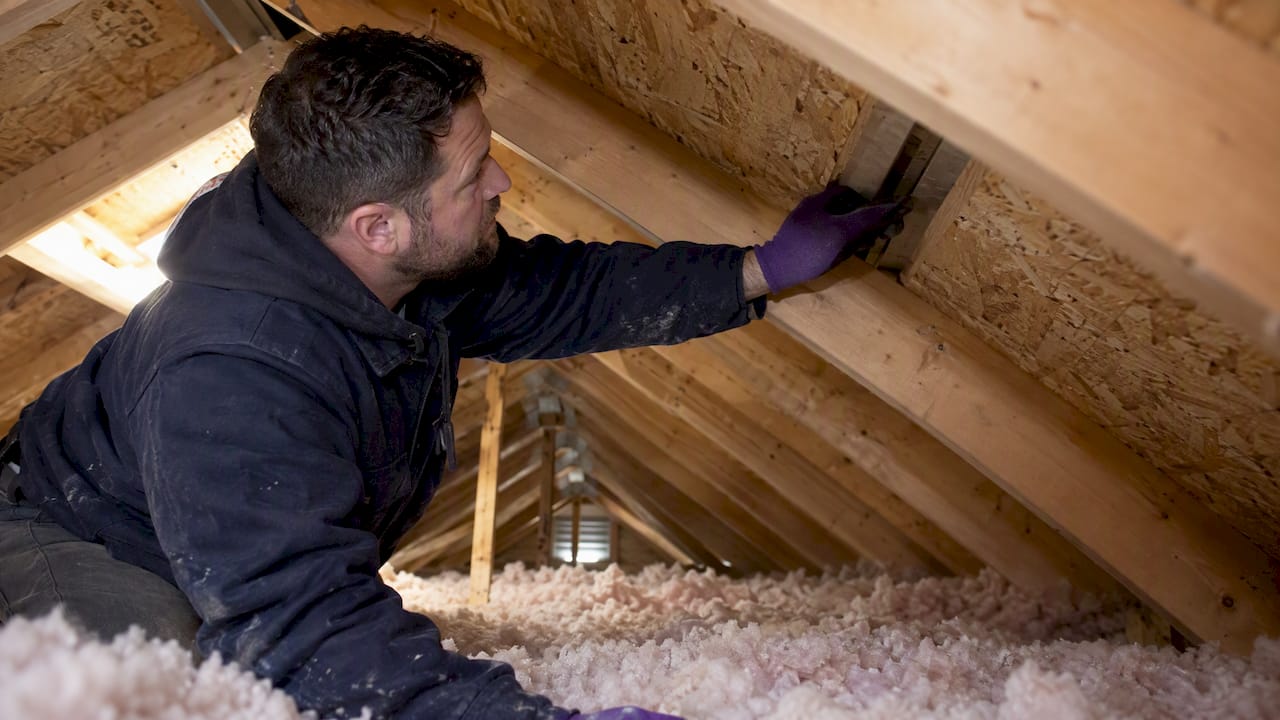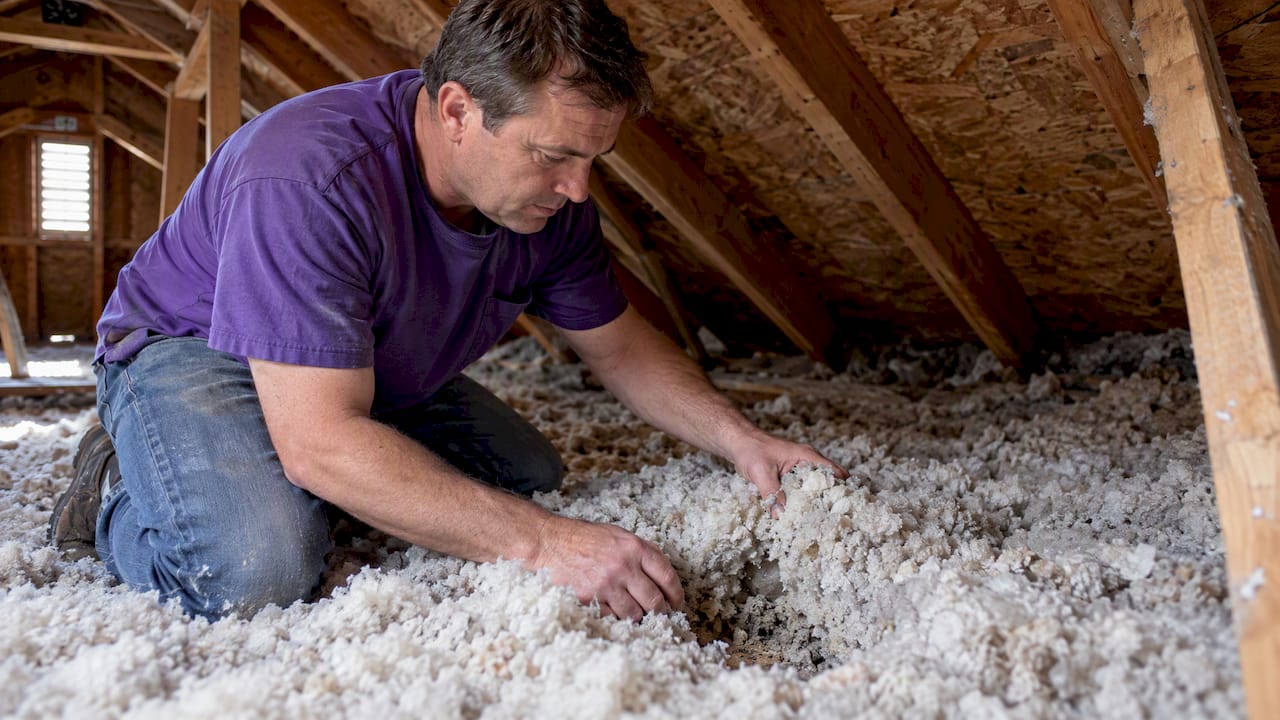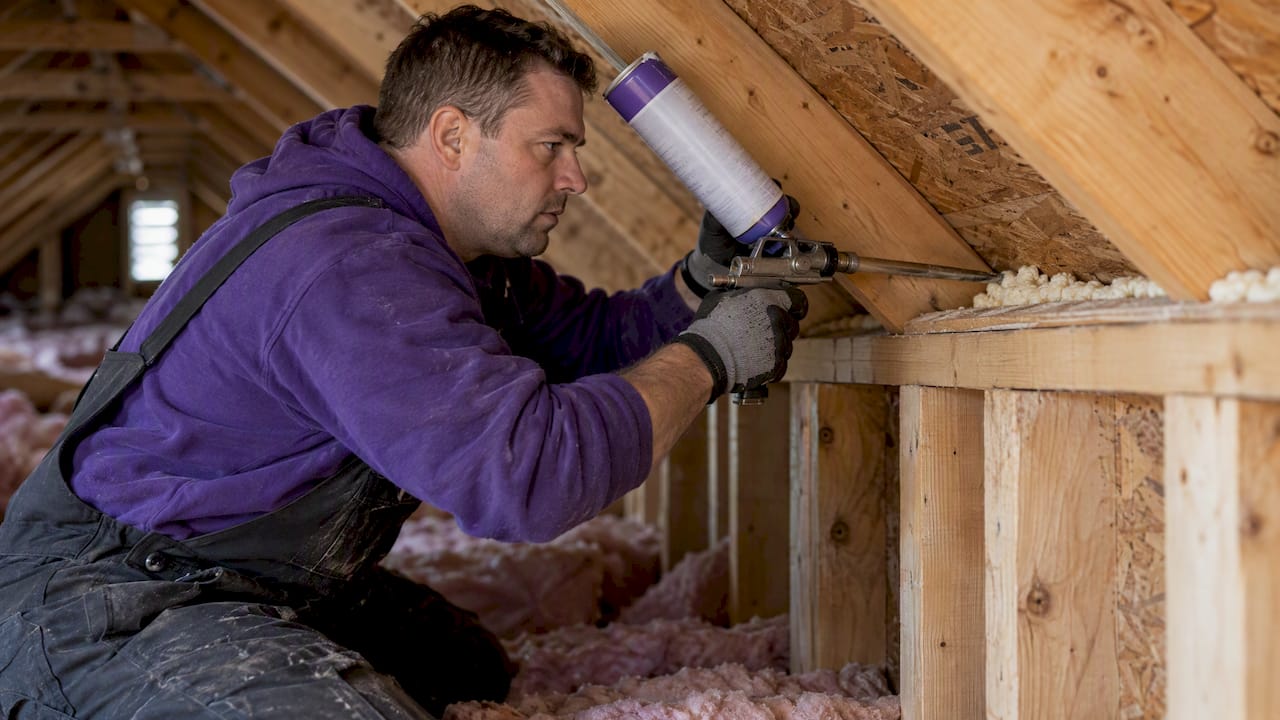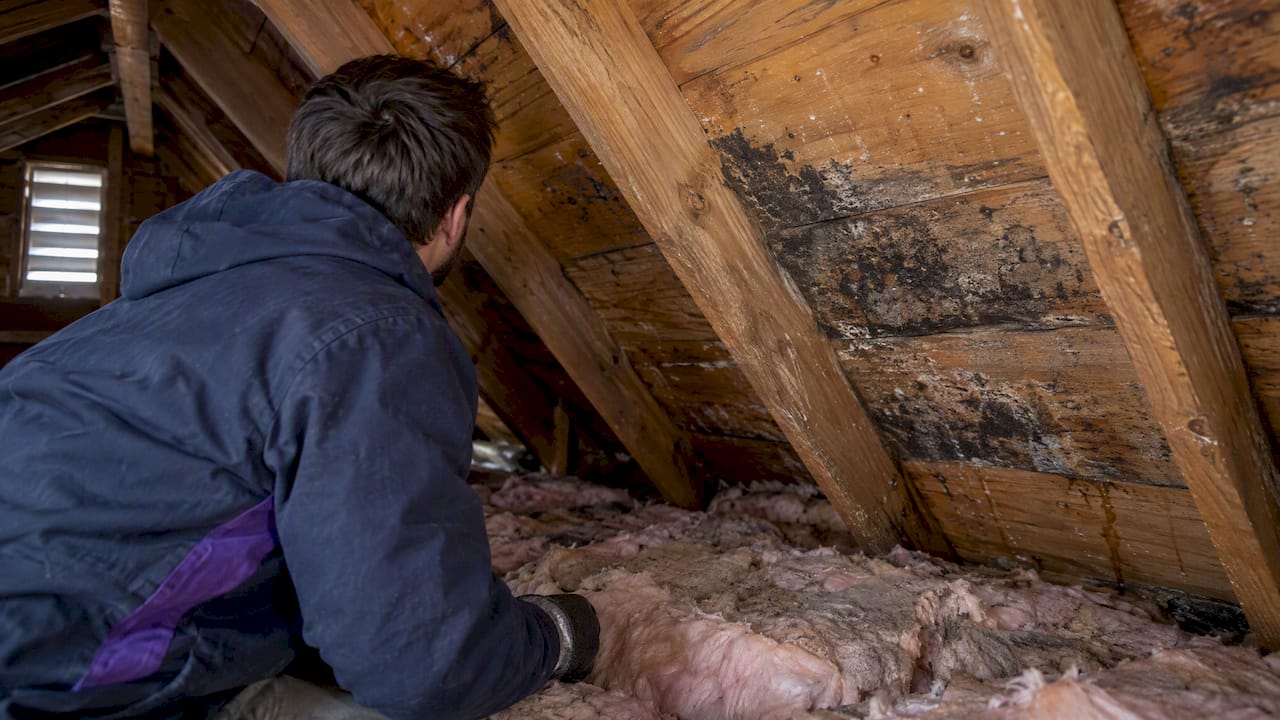
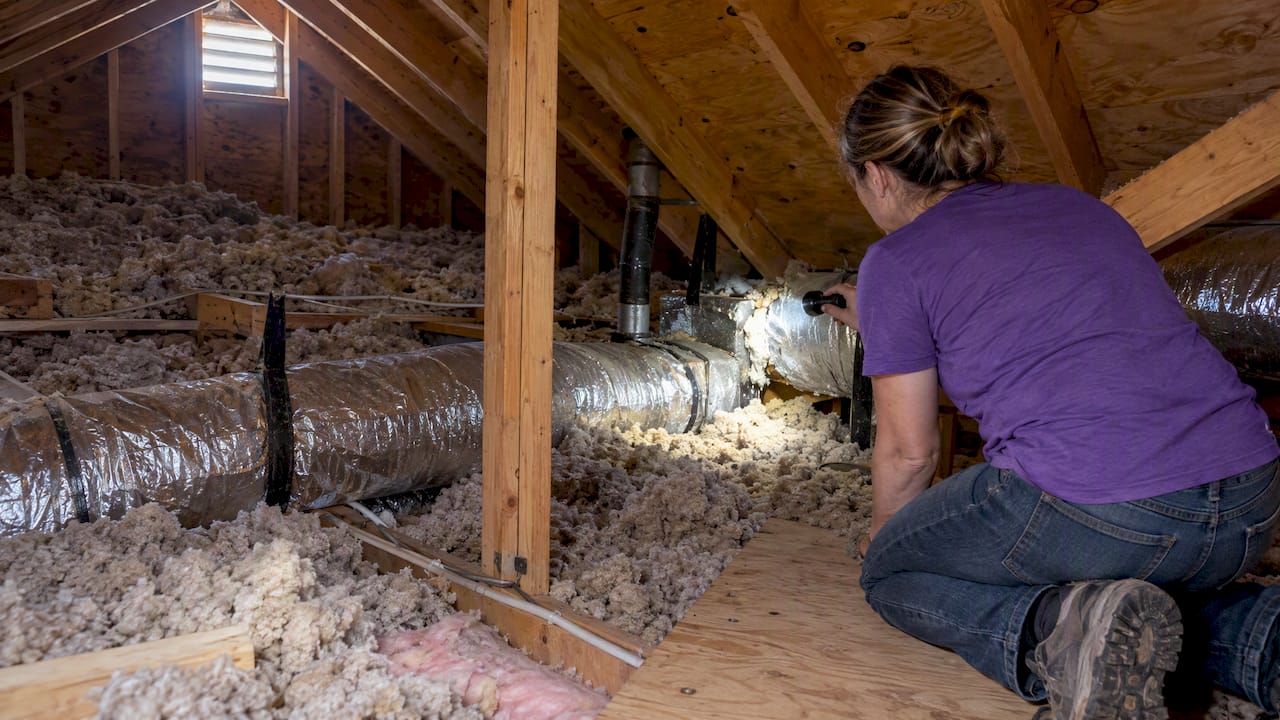
The stack effect is warm air rising through a house, drawing cold air in low and pushing conditioned air out through attic leaks and high openings. Left unchecked, it drives higher energy bills, drafts, and pressure-driven moisture that feeds mold growth. If your attic feels warm in winter or your basement smells damp, you’re likely seeing this process at work.
TL;DR:
- Sealing attic bypasses around chimneys, recessed lighting, and rim joists reduces the stack effect and prevents significant heat and moisture loss.
- Air sealing the attic and rim joist yields the highest energy savings because it directly addresses the primary airflow pathways.
- Negative pressure from the stack effect pulls in basement moisture, soil gases, and radon through foundation cracks and sump pits, affecting indoor air quality.
- Colder outdoor temperatures and taller homes strengthen the stack effect, increasing drafts, energy costs, and mold risk during winter.
- Conducting basic checks like attic temperature, daylight leaks, and smoke tests can indicate airflow issues, but professional assessment with blower-door testing offers precise data.
Table of Contents
- What causes the stack effect and why it varies by house
- How the stack effect drives up energy bills and discomfort
- Why stack-driven pressure affects your indoor air quality
- The leak sites that do the most damage
- What to fix first: a priority order that actually works
- Simple checks you can do before calling a professional
- What a professional inspection and air-sealing job typically includes
- Why attic sealing should come before anything else
- Get a free inspection and a clear plan for your attic
- FAQ
- Sources
What causes the stack effect and why it varies by house
Warm air is lighter than cold air, so it rises and escapes through cracks, gaps, and vents near the roofline. As it exits, it pulls replacement air in through openings near the foundation. Somewhere between those two zones sits a neutral pressure plane, the height at which indoor and outdoor pressure are equal. Where that plane sits depend on how leaky your house is at the top versus the bottom.
A few things shift the strength of this airflow:
- Taller homes and multi-story layouts create more vertical distance for pressure to build, so stack-driven airflow is stronger.
- Colder outdoor temperatures widen the gap between indoor and outdoor air density, intensifying the effect in winter.
- Leakage distribution matters more than total leakage: a house with most of its gaps high up behaves differently than one with gaps concentrated low.
Cooling season produces a milder, reversed version of this pattern, which is why winter is when homeowners notice it most.
How the stack effect drives up energy bills and discomfort
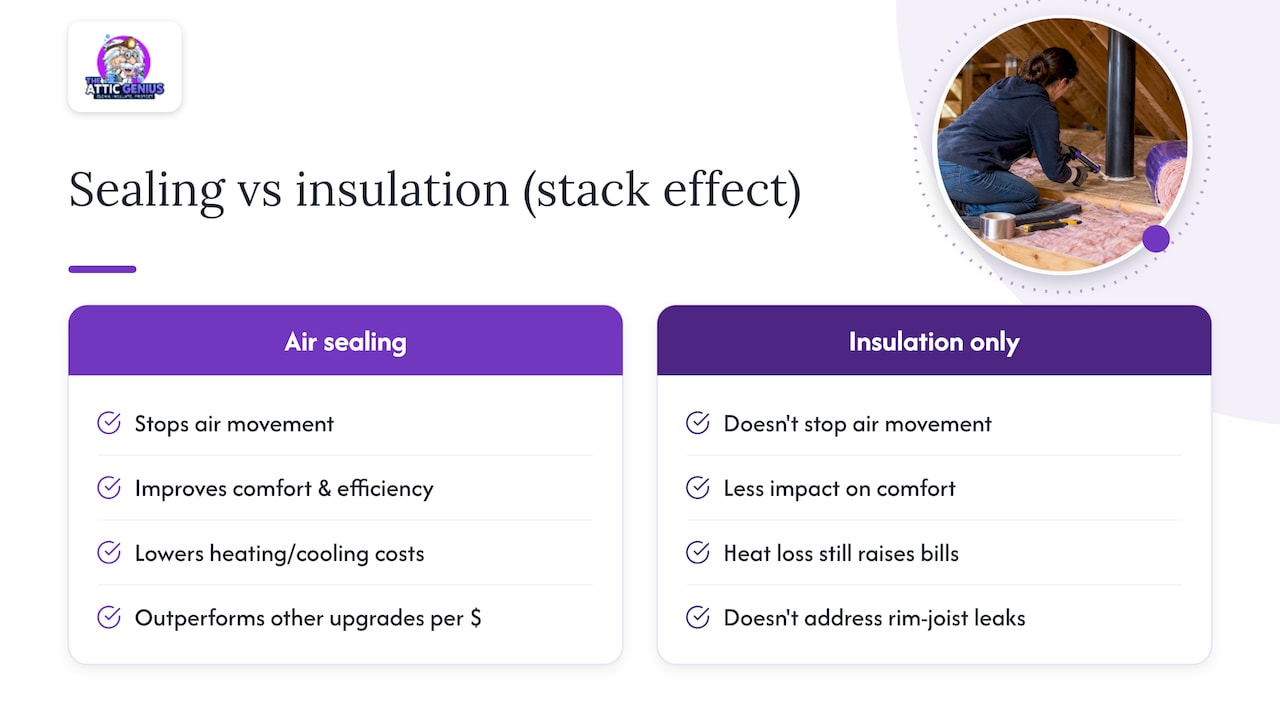
Attic air leakage is one of the biggest paths for heat loss in a typical house, and air sealing the attic and rim joist often does more for comfort and efficiency than adding insulation alone, since insulation alone does not stop air from moving through and around it. As warm air escapes upward, it creates negative pressure that pulls in cold air around windows, doors, and duct connections, which is why rooms far from the furnace often feel chilly even when the thermostat says otherwise.
Air leaking through an unsealed attic is one of the largest sources of heat loss in a home, according to Building America research. That loss shows up directly as higher heating and cooling costs, and it’s a major reason attic work tends to outperform other upgrades on a dollar-for-dollar basis. If you want a broader rundown of where attics lose the most energy, our whole-house energy efficiency attic tips cover the full list.
Why stack-driven pressure affects your indoor air quality
The same airflow that wastes energy also moves moisture, spores, and soil gas through your house. Warm, moist indoor air rising into a cold attic can condense on sheathing and framing, creating the damp wood that mold needs to grow. At the same time, negative pressure at the bottom of the house pulls air up through foundation cracks and open sump pits, often bringing basement moisture and radon with it.
- Attic condensation forms when humid indoor air reaches cold roof sheathing, setting the stage for mold.
- Basement suction pulls soil gas and moisture up through foundation gaps and sump openings.
- Sealing the attic first shifts the neutral pressure plane downward, which reduces the suction pulling air through the basement.
- Sealing without testing is risky: closing up leaks can backdraft furnaces, water heaters, or fireplaces, so EPA guidance recommends combustion safety testing alongside any air-sealing work.
The leak sites that do the most damage
Not all gaps are equal. A small hole near the ridge of your roof can move far more air than a similar hole near the foundation, because it sits closer to the point of highest pressure difference. These are the spots worth checking first:
- Attic bypasses around chimneys, plumbing stacks, and wall-top plates, which often go unsealed during original construction.
- Recessed can lights that aren’t rated airtight, which can pull three to five times as much air as a similarly sized hole elsewhere in the attic.
- Chimney chases and flue penetrations, which are frequently framed with gaps left open for clearance.
- Rim joists, where the foundation meets the floor framing, a common and often-overlooked leak path.
- Open sump pits and foundation cracks, which feed basement suction and radon entry.
- Kneewalls in finished attics, which often hide uninsulated, unsealed cavities behind the finished surface.
For more detail on how these openings interact, see our breakdown of air sealing attic bypasses.
What to fix first: a priority order that actually works
Tackling these problems out of order wastes money and can create new issues. The sequence that building science supports looks like this:
- Assess first. Understand where your house is leaking before buying materials or scheduling work.
- Air seal the attic and rim joist. This is the single highest-return step, since it stops the airflow driving the whole process.
- Add or top up insulation once air leaks are closed, so the insulation can actually do its job.
- Check attic ventilation balance. Soffit and ridge vents should work together, not against each other, to manage moisture and temperature.
- Consider mechanical ventilation such as an HRV or ERV if the house becomes too tight for adequate fresh air exchange after sealing.
Pro Tip: Never seal attic bypasses near a furnace, water heater, or fireplace flue without having combustion safety tested first, since tightening the house can pull exhaust gases back indoors.
A coordinated approach that sequences air sealing, insulation, and ventilation together reduces both callbacks and the odds of creating a depressurization hazard, compared with tackling one piece at a time.
Simple checks you can do before calling a professional
A few basic observations can tell you a lot about how your house is behaving:
- Feel the attic temperature in winter. A warm attic on a cold day usually means heated air is escaping from below.
- Run a smoke or incense test near the attic access hatch to see which direction air is moving.
- Look for daylight at the top plates or around chimney chases from inside the attic.
- Check for moisture or mold staining on attic sheathing or basement walls, both signs of pressure-driven air movement.
These checks tell you something is happening, but a blower door test measures how much and where, giving a contractor the data needed to prioritize sealing work over guesswork. If your DIY checks turn up warm attic air, visible gaps, or moisture staining, that’s the signal to schedule a professional assessment rather than add insulation on top of an unsealed attic.
What a professional inspection and air-sealing job typically includes
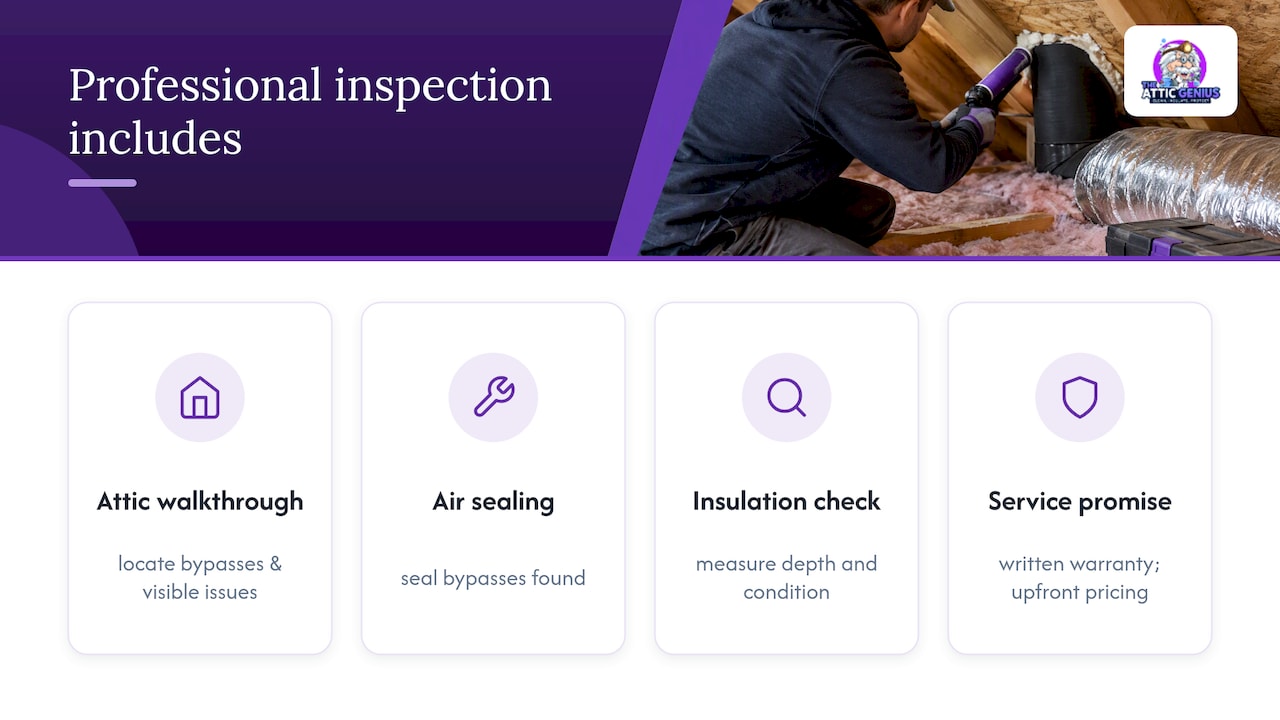
A full assessment usually covers an attic walkthrough, air-seal work at the bypasses found during inspection, insulation depth and condition checks, and blower-door or combustion safety testing where appropriate. Handling air sealing, insulation, and ventilation as one coordinated job, rather than piecemeal fixes, cuts down on repeat visits and keeps indoor air quality risks from being traded for energy savings.
Our team brings extensive experience to attic insulation, air sealing, attic ventilation, and moisture and mold remediation work, backed by written warranties, upfront pricing, and same-day inspection scheduling. Homeowners who want to start with a diagnostic rather than a sales pitch can request a no-cost assessment before deciding on next steps.
Why attic sealing should come before anything else
If you take one thing from building science on this topic, it’s that sealing beats insulating when you can only do one first. Air sealing addresses the actual driver of heat loss and moisture movement, while insulation alone just slows a problem that’s still actively happening. Before your next attic conversation with a contractor, spend a weekend afternoon checking your attic temperature and looking for daylight at the top plates. That fifteen-minute check gives you real information to bring to the inspection.
— Jim
Get a free inspection and a clear plan for your attic
We handle attic air sealing, insulation, ventilation balancing, and mold remediation as one coordinated service in our service area, so you’re not left guessing which fix to tackle first. For larger retrofit projects that go beyond the attic, energy-efficient home upgrade planning from our partners at Prestigious Home Builders covers additional angles worth considering.

A free inspection includes an attic walkthrough and a written estimate before any work begins, so you know the scope and cost upfront. Request a free inspection or look into our air sealing services to get started.
FAQ
What is the best way to eliminate the stack effect in a house?
You can’t eliminate the stack effect entirely since it’s driven by basic physics, but sealing attic bypasses and the rim joist dramatically reduces its impact. Following that with balanced insulation and ventilation work addresses most of the energy loss and moisture problems it causes.
What type of building is most prone to stack effect?
Taller buildings with multiple stories are more prone to strong stack-driven airflow because the greater vertical distance creates more pressure difference between the top and bottom. Homes with leaky attics and leaky basements at the same time tend to show the most pronounced drafts and moisture issues.
What are the disadvantages of stack ventilation?
Uncontrolled stack-driven airflow wastes heating and cooling energy, pulls moisture and soil gas into the house, and can create drafts that make rooms uneven in temperature. It can also contribute to backdrafting in homes with combustion appliances if air sealing is done without proper testing.
What is the smokestack effect?
The smokestack effect is another name for the stack effect, describing how a building behaves like a chimney as warm air rises and escapes through high openings while colder air gets drawn in low. The term comes from the same physical principle that makes an actual chimney draw smoke upward.
Sources
- Building America / DOE – Air sealing guidance (Building America Best Practices Series)
- EPA – Energy Savings Plus Health: Indoor Air Quality Guidelines for Single-Family Renovations
- UMN Extension – Moisture in basements: causes and solutions