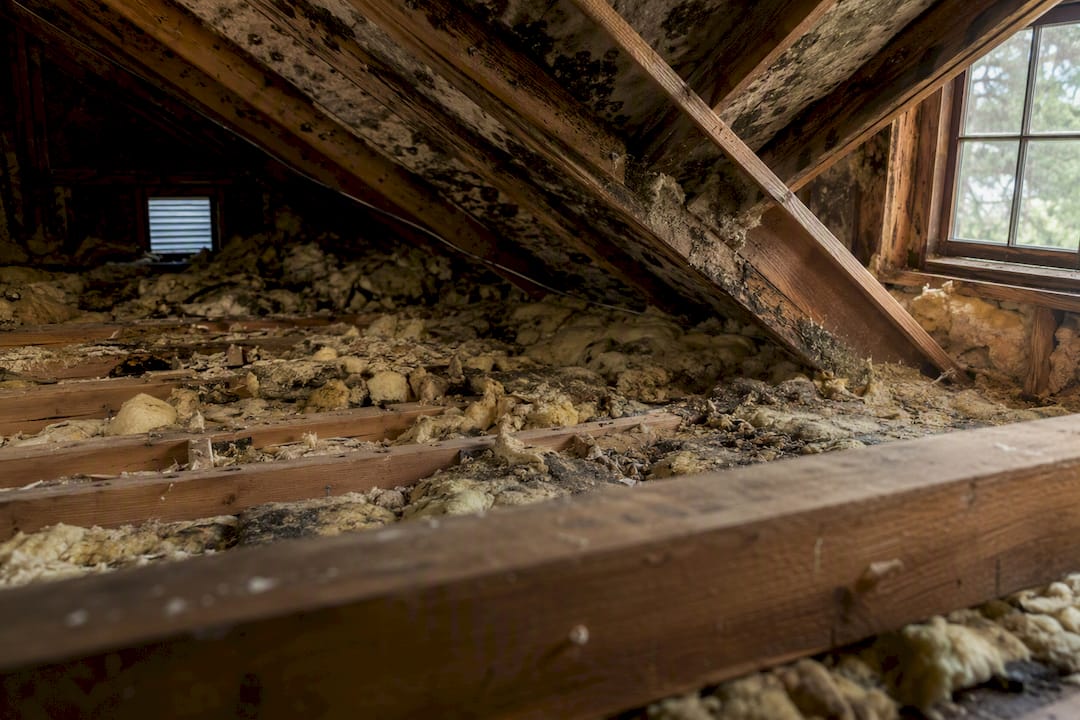
A bad attic can indeed trigger home allergies because damp, poorly ventilated, or damaged attics commonly generate mold, dust mites, and other allergens that migrate into living spaces. The U.S. Environmental Protection Agency (EPA) notes that indoor air can carry up to five times more contaminants than outdoor air, often due to issues originating in the attic. To prevent this, The Attic Genius recommends maintaining indoor relative humidity under 50% to inhibit mold and dust mites, aligning with Panasonic IAQ guidance. Effective moisture control, rather than repeated cleaning, is the only lasting way to manage attic-driven allergens, as advised by the World Health Organization (WHO).
Yes: a damp, poorly ventilated, or damaged attic commonly generates mold, dust-mite habitats, and other allergens that migrate straight into your living space. The EPA notes indoor air can carry up to five times more contaminants than outdoor air, and a struggling attic is often the reason why. If you’re dealing with unexplained congestion, musty smells, or a family member whose allergies flare at home, the attic deserves a look before anything else.
Do these three things in the next 24 to 72 hours:
- Stop active moisture sources — check for roof leaks, condensation, or bathroom fans venting into the attic instead of outside.
- Swap your HVAC filter and limit unnecessary trips into the attic until you know what you’re dealing with.
- Schedule an inspection if symptoms persist or you spot visible mold, following WHO guidance that moisture control is the only lasting fix. The Attic Genius offers same-day inspections for homeowners who want a professional read on what’s happening overhead.
Key Takeaways
Attic moisture, blocked ventilation, and air leaks work together to push mold spores, dust-mite allergens, and pest debris into the rooms you live in every day.
| Point | Details |
|---|---|
| Humidity is the trigger | Keep indoor relative humidity under 50% to inhibit mold and dust mites, per Panasonic IAQ guidance. |
| Seal before you insulate | Air sealing bypasses first prevents the condensation that ruins new insulation and restarts mold growth. |
| Balance the vents | Intake should sit low at the soffits and exhaust high at the ridge, with net free ventilating area of at least 1/300 of the attic. |
| Some hazards need a pro immediately | Knob-and-tube wiring, vermiculite, and misvented exhaust fans are not DIY fixes and must be resolved first. |
| Moisture control beats cleanup | Preventing dampness, not repeated cleaning, is the only lasting way to control attic-driven allergens per WHO guidance. |
Table of Contents
- How Home Allergens Linked to Poor Attic Conditions Actually Form
- Signs Your Attic Is Behind Your Allergy Symptoms
- Short-Term Steps to Cut Your Exposure Right Now
- The Long-Term Fix: Air Sealing, Insulation, and Balanced Ventilation
- Red Flags That Mean Stop and Call a Professional
- When It’s Time to Bring in The Attic Genius
- What Homeowners Get Wrong About Attic Allergens
- Sources
How Home Allergens Linked to Poor Attic Conditions Actually Form
Mold and dust mites both need one thing to thrive: moisture. Once relative humidity in your attic climbs above recommended levels, you’ve created a breeding ground for both, and Panasonic’s indoor air quality guidance recommends keeping indoor humidity within recommended thresholds specifically to keep them in check. Attics blow past that threshold constantly, especially in summer humidity spikes or winter condensation cycles, because the systems meant to manage airflow are often broken or missing entirely.
Three mechanical failures drive most of it:
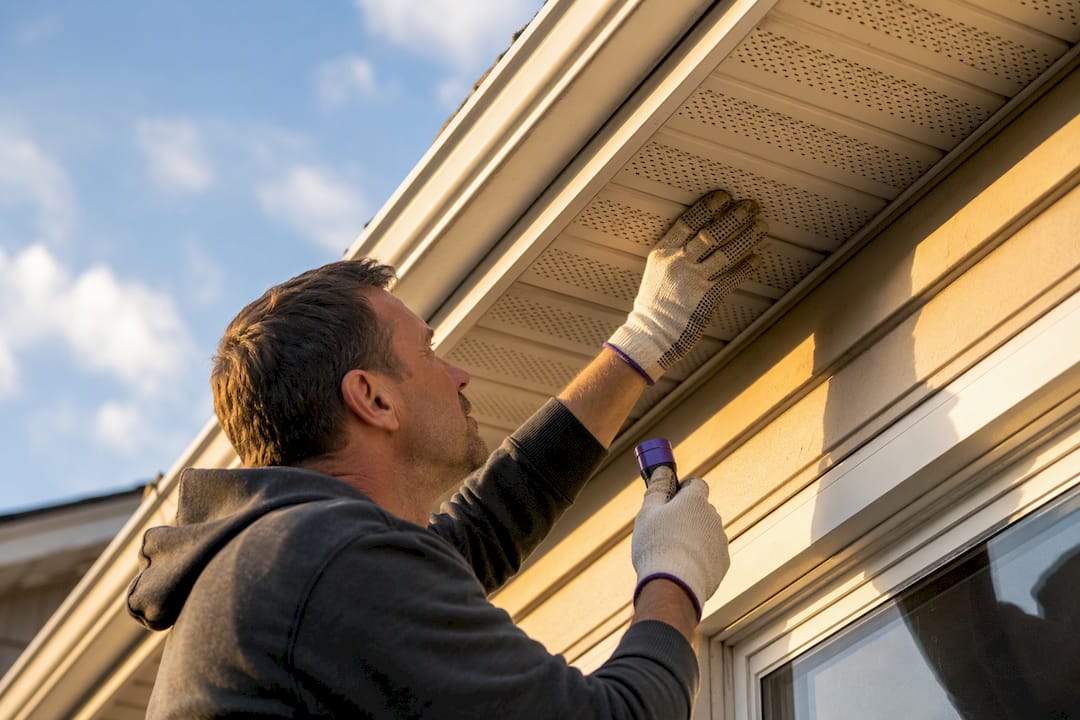
- Blocked or missing intake vents. Without fresh air entering low through soffits, hot, moist air has nowhere to go and just sits, cooking your roof deck and insulation.
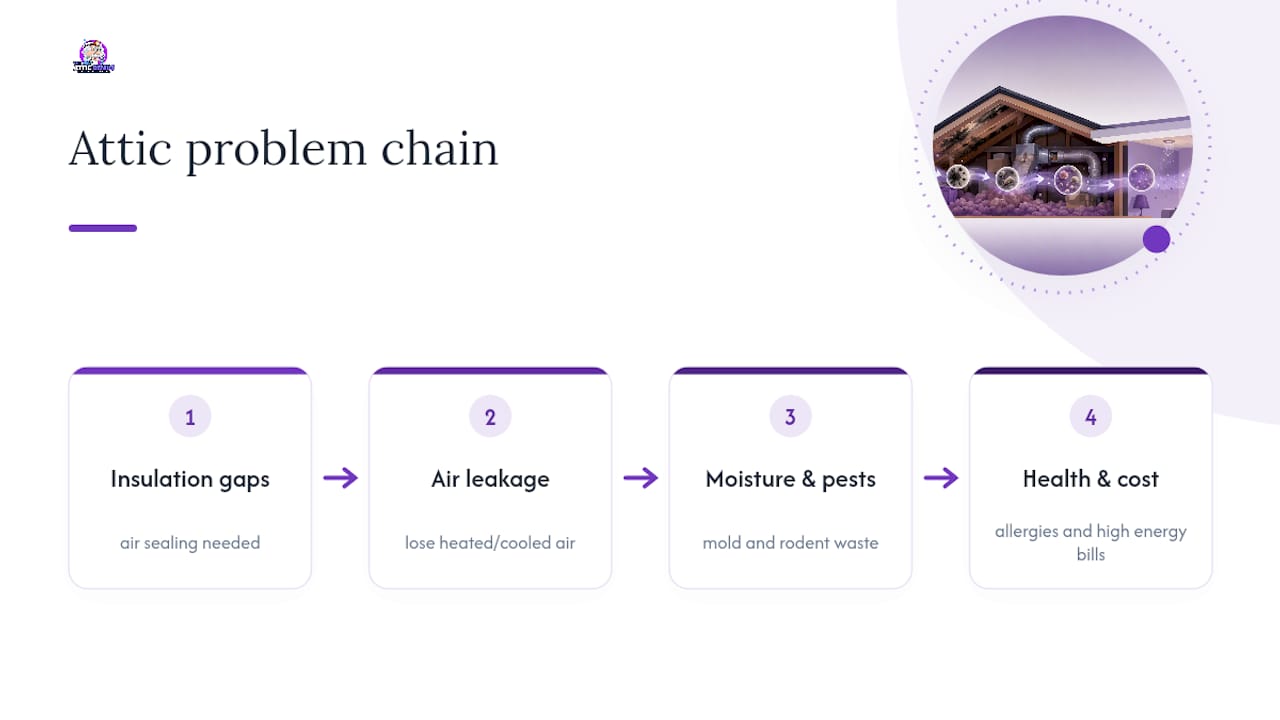
- Insulation gaps and air leaks (bypasses). Gaps around light fixtures, attic hatches, and plumbing penetrations let contaminated attic air get pulled into your living space through the stack effect and HVAC pressure differences.
- Pest activity and degraded materials. Rodent droppings, insect fragments, and waterlogged insulation all become long-term allergen reservoirs that keep contaminating the air long after the original leak is fixed.
Indoor air can hold up to five times more contaminants than outdoor air, and a compromised attic is frequently the single largest contributor to that gap in homes with allergy complaints.
Signs Your Attic Is Behind Your Allergy Symptoms
Some clues are obvious. Others hide in patterns you’d only notice if you were looking for them.
- Musty odors, especially near the attic hatch or upstairs closets that share a wall with the attic space.
- Room-specific symptoms — if congestion or sneezing gets worse in bedrooms directly under the attic but eases downstairs, that’s a strong signal.
- Seasonal timing. Symptoms that spike in humid summer months or right after heavy rain often trace back to attic moisture cycles rather than outdoor pollen.
- Visible clues during a quick attic check: damp or discolored insulation, exhaust fans that dead-end in the attic instead of venting outside, gaps around the attic hatch, or daylight visible around light fixture boxes.
Pro Tip: Check your attic on a humid afternoon, not a dry morning. Moisture problems often only show themselves when outdoor humidity and indoor heat both peak at once.
Short-Term Steps to Cut Your Exposure Right Now
You can’t fix a ventilation system in an afternoon, but you can reduce what’s reaching your lungs while you plan the real repair.
- Kill the moisture at the source. Repair active roof leaks and re-route any bathroom or kitchen exhaust fan that currently dumps humid air into the attic instead of outside.
- Run a dehumidifier in the areas below the attic to keep indoor relative humidity under 50%, and bump your HVAC filter up to the highest MERV rating your system can handle without choking airflow.
- Leave the insulation alone. Disturbing damp or contaminated insulation yourself can spread spores and fibers into the air you breathe. Seal the attic hatch and limit access until an inspector has assessed the space.
- Know when to stop. Heavy mold coverage, vermiculite insulation, or anything electrical stops being a DIY project the moment you see it.
Pro Tip: *A cheap digital hygrometer left in the attic for a week tells you more about your real moisture problem than any visual inspection.
The Long-Term Fix: Air Sealing, Insulation, and Balanced Ventilation
Piecemeal fixes fail because attic problems are system problems. Adding insulation without sealing air leaks first is a documented way to trap moisture and cause the exact condensation that BuildingScience’s research warns against. The repair order matters:
- Air seal first. Close bypasses around fixtures, hatches, plumbing, and ductwork before touching insulation. Our guide on air sealing attic bypasses walks through the most common leak points we find on inspections.
- Then address insulation. If it’s wet, moldy, or pest-contaminated, it needs to be removed and replaced, not topped off. Partial overlay on contaminated material is rarely adequate; full removal, cleaning, and pest exclusion come first.
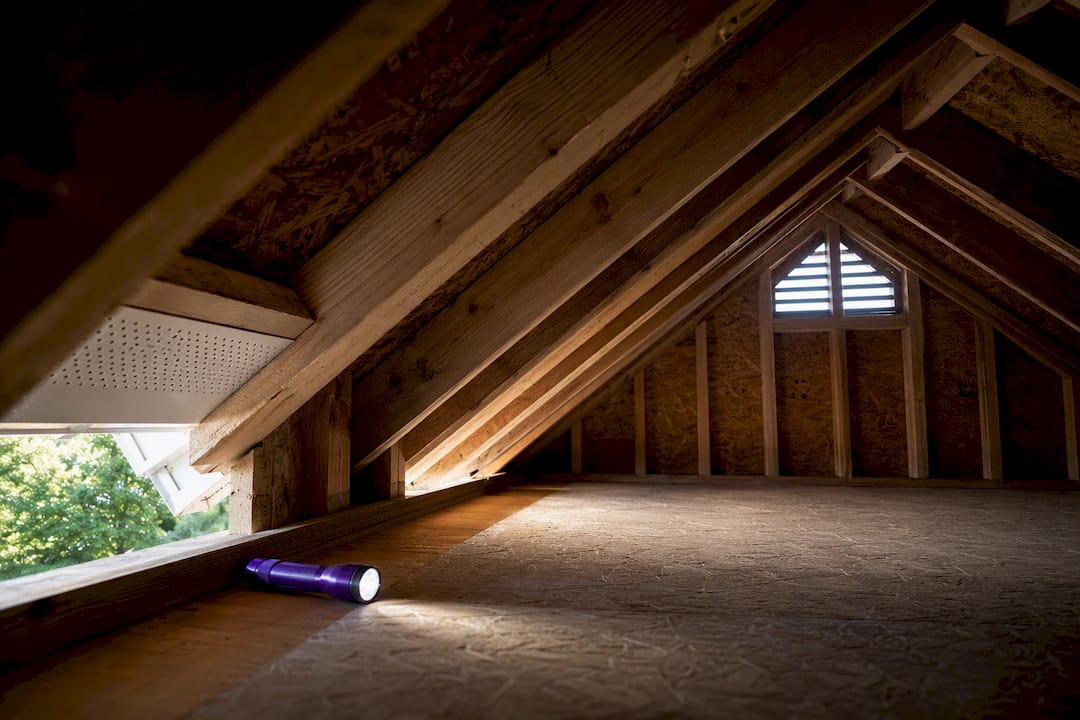
- Then balance ventilation. Building America’s guidance recommends intake low through soffits and exhaust high through ridge or gable vents, with a net free ventilating area of at least 1/300 of the attic floor space. Homes without soffits need alternative intake solutions, not just more exhaust vents slapped on the roof.
- Finish with pest cleanup and verification. Once contamination is removed and the envelope is sealed, a post-remediation check confirms humidity has actually dropped and stayed down.
Homes lose a striking share of their conditioned air through a poorly managed attic, which is why proper insulation does double duty controlling both temperature loss and moisture buildup at once.
Red Flags That Mean Stop and Call a Professional
Some attic conditions aren’t DIY territory under any circumstances, and pushing forward on your own can create real safety risk.
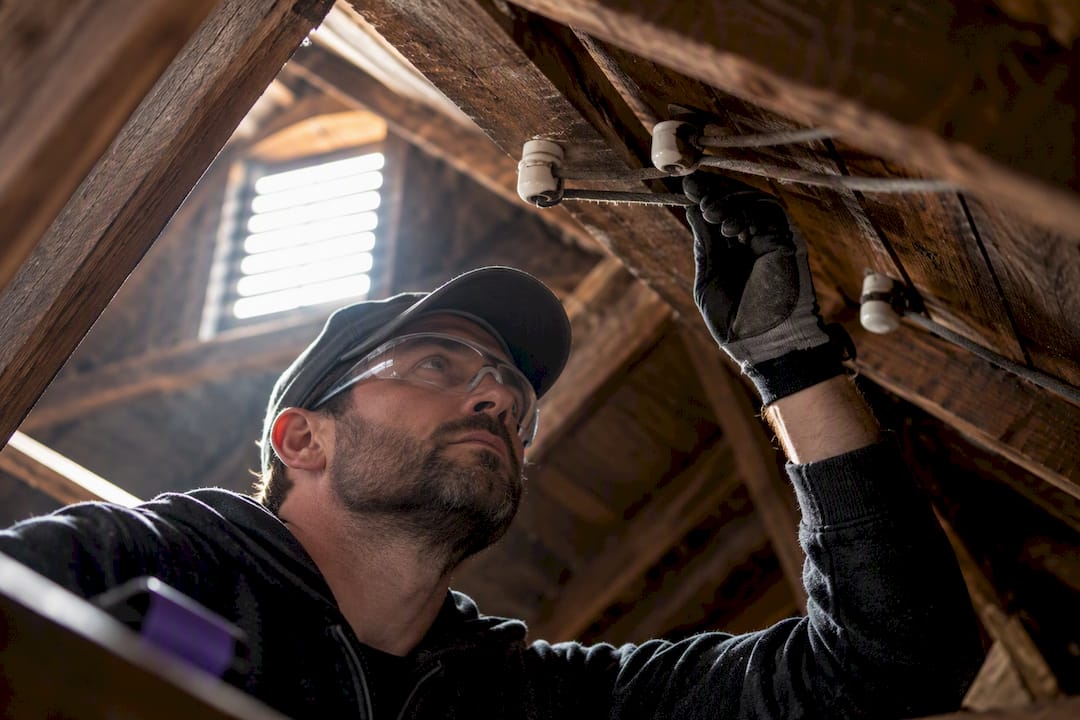
- Active knob-and-tube wiring anywhere near insulation work.
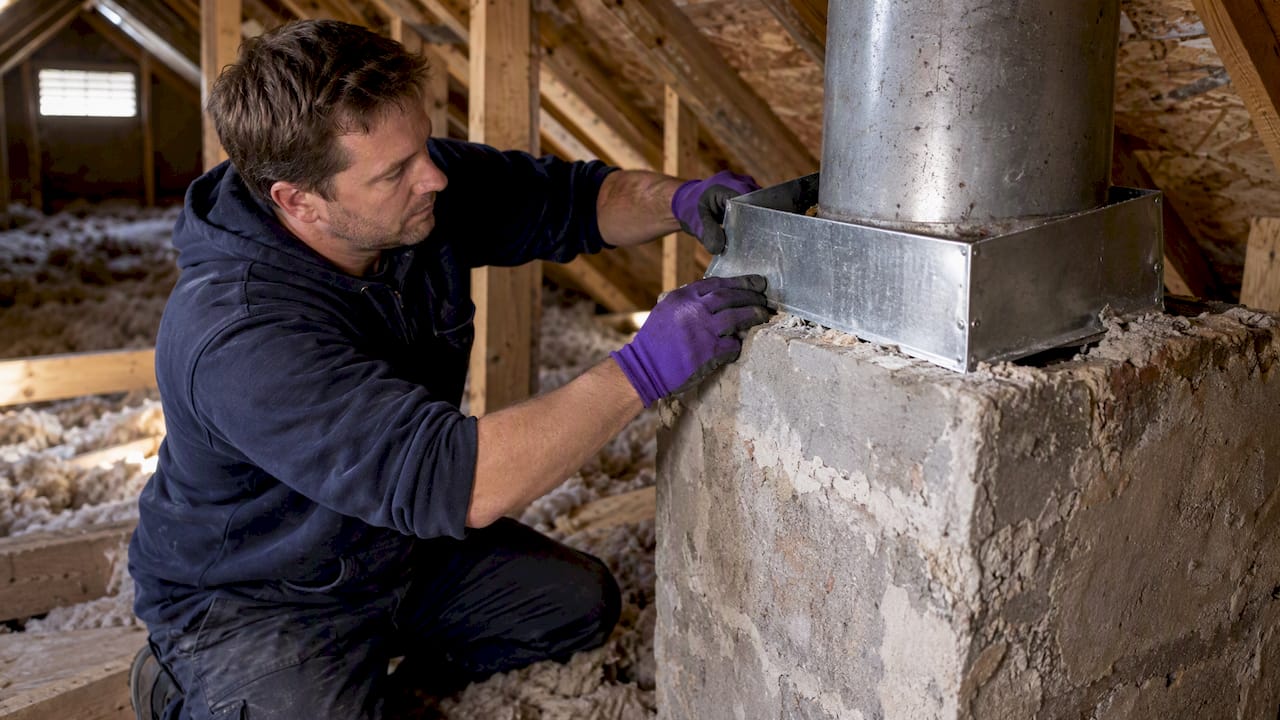
- Vermiculite insulation, which may contain asbestos and requires specialized handling.
- Bathroom or kitchen fans venting directly into the attic instead of outside.
- Active roof leaks or unvented kerosene heaters and gas fireplaces exhausting into the attic space.
- Heavy rodent contamination or structural damage to attic flooring and duct penetrations.
Building America’s own guidelines list these as prerequisites that must be resolved before any air sealing or insulation work begins. If you spot even one of these during your own inspection, stop and bring in a licensed contractor for the electrical, roofing, or combustion-related repair before anyone touches the insulation.
When It’s Time to Bring in The Attic Genius
Once you’ve confirmed a red flag, or symptoms just won’t quit despite short-term fixes, a professional inspection is the fastest way to get a real answer instead of guessing.
The Attic Genius handles the full chain of attic-related allergen problems: inspection, air sealing, insulation removal and upgrades, attic ventilation balancing, mold remediation, and pest waste cleanup. That matters because these problems rarely show up alone. A leak that soaked your insulation is also feeding mold and probably drew in rodents looking for shelter.
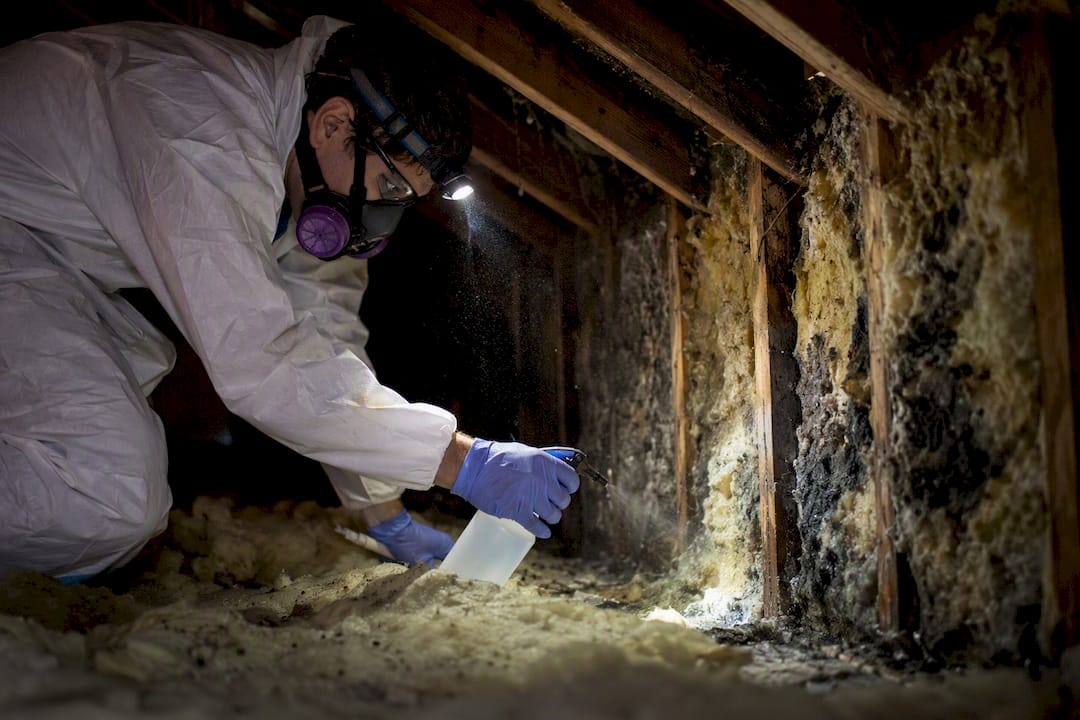
Most homes lose a substantial amount of heated or cooled air through a poorly insulated attic, often unnoticed until allergy symptoms or high energy bills prompt investigation.
With 25+ years of combined team experience and 400+ five-star reviews across Chicagoland and the Northwest Suburbs, The Attic Genius offers same-day inspections and written warranties on every job. If you’re seeing musty odors, visible mold, or persistent room-specific symptoms, request a free inspection before the problem gets bigger than the fix.
Pro Tip: Ask any contractor whether they address ventilation and insulation together, not just one or the other. A quote that only covers insulation replacement without touching airflow is treating half the problem.
What Homeowners Get Wrong About Attic Allergens
Most advice on indoor allergies treats the attic as an afterthought, something to check only after you’ve replaced air filters and bought an air purifier for the bedroom. That’s backward. The attic is frequently the source feeding the very air those filters are struggling to clean.
The bigger mistake is treating ventilation and insulation as separate projects. Homeowners will spend money topping off insulation because it’s the visible, easy-to-understand fix, while leaving the vents blocked or unbalanced underneath it. That’s how you end up with condensation trapped under fresh insulation, which is arguably worse than the original problem because now the moisture has nowhere to evaporate.
If you take one thing from this, let it be the sequencing: seal the leaks, then fix the insulation, then balance the ventilation. Skipping the order doesn’t just waste money, it can actively make the allergen problem worse. Chase the humidity number, not the symptom of the week.
— Jim
This article is general information, not a substitute for advice from a qualified doctor. Consult a qualified healthcare professional about your own circumstances before acting on anything here.
Sources
- A Brief Guide to Mold, Moisture and Your Home | US EPA
- Attic air sealing measure guideline | Building America
If you’re also finishing a basement and worried about similar moisture issues, Expressions Remodeling’s guide to dry, code-compliant basements covers the same principles applied below grade.