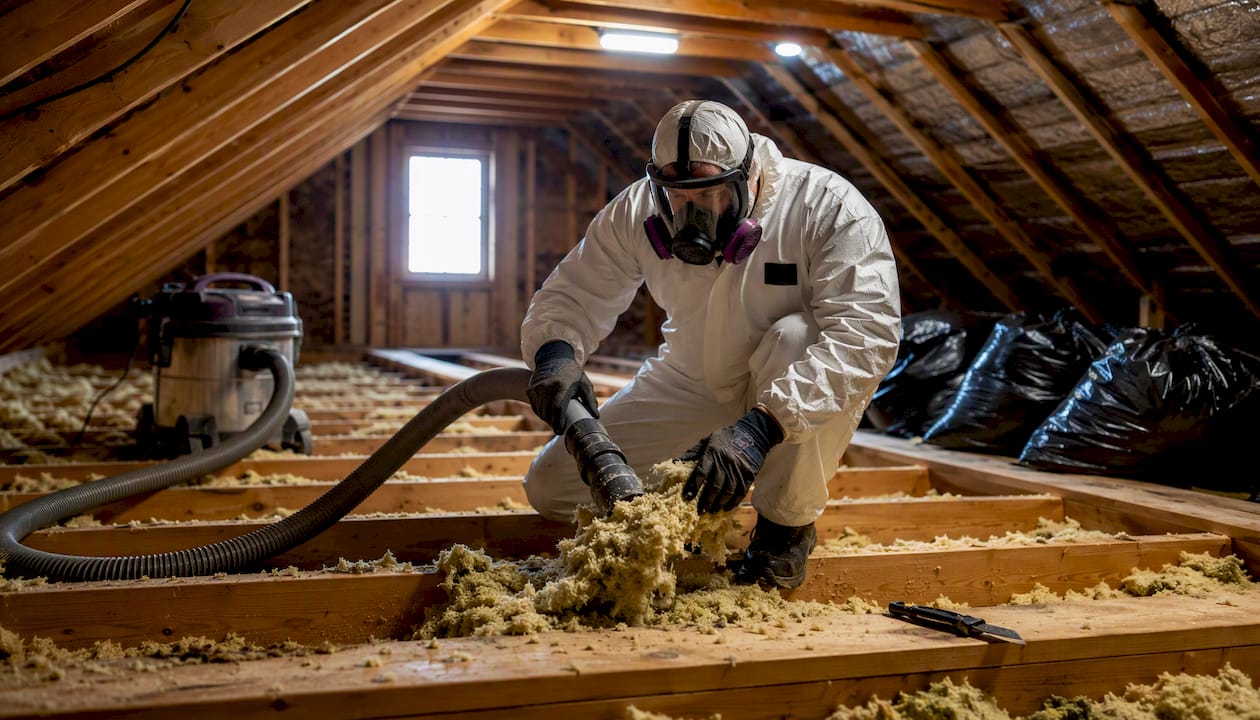
Attic insulation removal typically runs $1 to $2 per square foot for a clean job, which puts most 1,600 to 1,800 square foot attics at $1,600 to $3,600 total. That figure assumes there’s no asbestos, mold, or rodent contamination hiding under the surface. Add any of those, and the price can jump past $6 per square foot fast.
Three things swing your final number more than anything else:
- Insulation type. Blown-in cellulose vacuums out faster than compacted fiberglass batts, and old vermiculite requires an entirely different (and pricier) process if it tests positive for asbestos.
- Contamination. Mold, rodent droppings, or suspected asbestos turn a straightforward vacuum job into a hazmat-level cleanup with specialized equipment and disposal rules.
- Attic size and access. A cramped attic with a small hatch and low clearance takes longer per square foot than an open, walk-up attic.
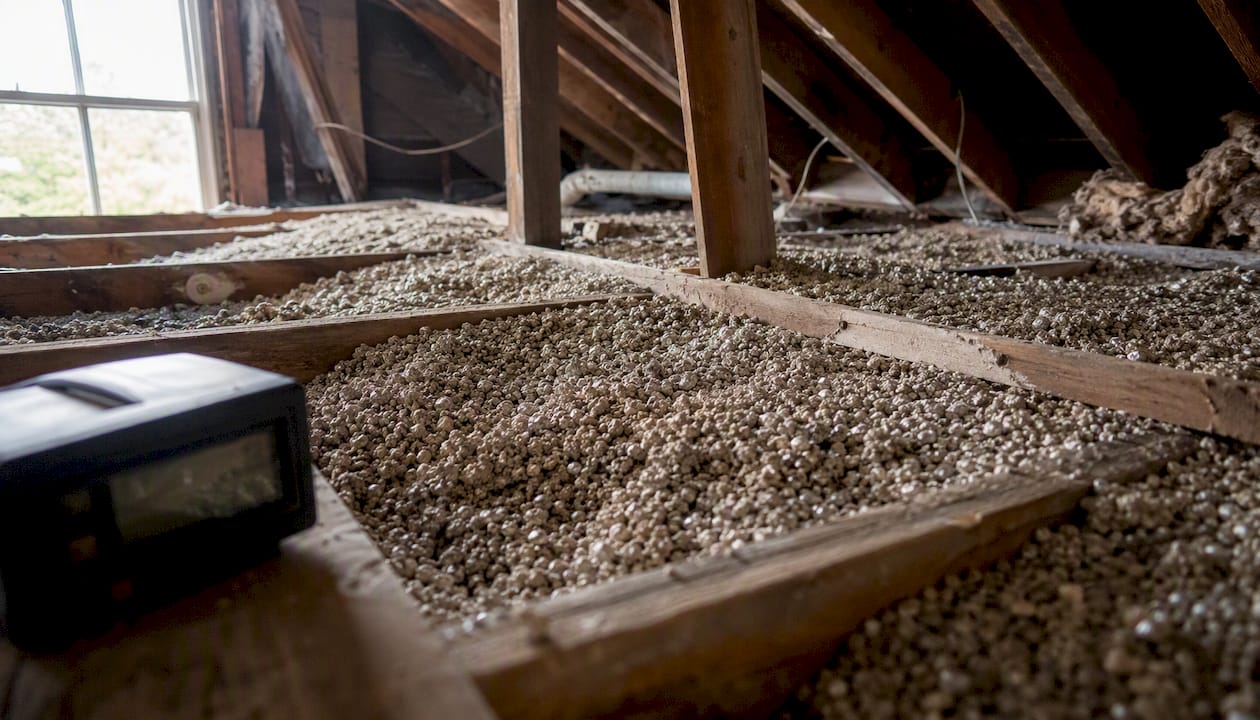
Before you call anyone, do two things: check whether your insulation could be vermiculite (it looks like small gray or gold pebbles), and if you suspect contamination of any kind, get multiple bids instead of one. Pricing on hazardous jobs varies wildly between contractors, and the spread tells you a lot about who actually knows what they’re doing.
Key Takeaways
Clean attic insulation removal runs $1 to $2 per square foot, but contamination from asbestos, mold, or rodents can push costs past $6 to $25 per square foot depending on severity.
| Point | Details |
|---|---|
| Know your baseline cost | Clean removal runs $1 to $2 per square foot; a typical 1,600 to 1,800 sq ft attic totals $1,600 to $3,600. |
| Watch for hazmat red flags | Suspected vermiculite, heavy mold, or rodent droppings mean testing first, never DIY disturbance. |
| Budget for the bundle | Removal plus replacement typically runs $2 to $6 per square foot including air sealing add-ons. |
| Get three bids on contaminated jobs | Pricing spreads widely on hazmat work, and a lowball bid often means skipped testing or disposal steps. |
| Work with a full-service team | The Attic Genius handles removal, mold remediation, pest cleanup, and reinsulation under one inspection and one quote. |
Table of Contents
- What Does Attic Insulation Removal Cost by Attic Size?
- What Factors Actually Change Your Insulation Removal Cost?
- Vermiculite, Mold, and Rodent Contamination: Testing and Abatement Costs
- Should You Remove Attic Insulation Yourself or Hire a Pro?
- What Does It Cost to Remove and Replace Attic Insulation Together?
- How Long Does Attic Insulation Removal Actually Take?
- How Do You Get an Accurate Insulation Removal Quote?
- What Do EPA and CDC Guidance Say About Attic Safety?
- A Contractor’s Take on What Actually Drives Cost
- How The Attic Genius Handles Removal, Contamination, and Everything In Between
- Frequently Asked Questions About Attic Insulation Removal Cost
- Sources
What Does Attic Insulation Removal Cost by Attic Size?
Clean removal, meaning no mold, no pests, and no asbestos concerns, sits in a fairly predictable band. Most contractors charge $1 to $3 per square foot depending on your region, labor rates, and how the insulation was installed. If you’re bundling removal with fresh insulation, expect to pay $2 to $6 per square foot for the combined job, since you’re now paying for material and installation labor on top of the teardown.
Here’s how that scales across common attic sizes:
| Attic Size | Removal Only | Removal + Replacement |
|---|---|---|
| 500 sq ft | $500 – $1,500 | $1,000 – $3,000 |
| 800 sq ft | $800 – $1,600 | $1,600 – $3,600 |
| 1,000 sq ft | $1,000 – $3,000 | $2,000 – $3,600 |
| 1,500 sq ft | $1,500 – $3,600 | $3,000 – $3,600 |
| 2,000 sq ft | $2,000 – $3,600 | $1,600 – $3,600 |
A typical bundled project for a standard attic often lands in the $3,200 to $10,800 range once you factor in material choice and any air sealing work thrown in.
Density and material type shift these numbers more than most homeowners expect. Loose blown-in cellulose is light and vacuums out quickly, so it sits at the low end of the per-foot range. Compressed fiberglass batts take longer to pull by hand, especially in low-clearance attics where a crew can’t stand upright. Spray foam is a different animal entirely: it bonds to the roof deck and often requires mechanical scraping or grinding, which pushes labor time (and cost) well above loose-fill removal. If your attic has spray foam and you’re getting a quote in the same $1 to $2 per square foot range as a blown-in job, something’s off.
What Factors Actually Change Your Insulation Removal Cost?
Every quote you get is really a stack of smaller decisions the contractor made after walking your attic. Here’s what they’re pricing in:
- Insulation material. Loose-fill is the cheapest to remove; vermiculite and spray foam are the most expensive.
- Contamination status. Mold, rodent waste, and suspected asbestos each trigger different equipment, PPE, and disposal protocols, and each adds its own surcharge.
- Access and layout. A pull-down ladder attic with 4 feet of clearance takes longer per square foot than a full walk-up attic with a permanent staircase.
- Local labor and disposal fees. Landfill tipping fees and disposal regulations vary by city and county, and they show up directly in your final line item.
- Climate-driven insulation depth. Homes in colder regions tend to carry thicker insulation to hit higher R-value targets, which means more material volume to remove and haul away.
Contractor minimums matter more than most homeowners realize. Many companies won’t send a crew for less than $500 to $800 regardless of your attic’s square footage, because the truck, crew, and disposal trip cost roughly the same whether they’re removing 300 square feet or 900. If you have a small attic, don’t be surprised when your per-square-foot rate looks high. That’s the minimum doing its job.
Pro Tip: Before you call for quotes, photograph your attic hatch, take a rough measurement of insulation depth with a tape measure or ruler, and snap pictures of any staining, droppings, or pest activity you can see. Contractors quote faster and more accurately with visual evidence, and you’ll spot a lowball bid that clearly skipped the details.
Vermiculite, Mold, and Rodent Contamination: Testing and Abatement Costs
This is the section that separates a $1,500 job from a $10,000 one, so read it before you touch anything.
If your attic insulation might contain vermiculite, the safest move is to leave it completely undisturbed and get it tested before any renovation or removal work begins. Vermiculite mined from the Libby, Montana deposit was frequently contaminated with asbestos, and disturbing it releases fibers into the air where they become a serious inhalation hazard.
That guidance comes straight from the EPA’s official recommendations on asbestos-contaminated vermiculite, and it’s not optional advice. If a contractor shows up, sees gray or gold pebble-like insulation, and starts scooping it into bags without testing first, that’s a hard stop.
The cost impact of contamination is steep. Testing runs relatively cheap, usually a few hundred dollars through a certified lab, but if the sample comes back positive, licensed asbestos abatement typically costs $10 to $25 or more per square foot, which is roughly ten times the price of a standard removal job. Even non-asbestos contamination changes your math: general contaminated removal (mold or heavy rodent waste, no asbestos) tends to run $4.50 to $6 or more per square foot, and many contractors attach a sanitation minimum of $1,500 to $3,000 regardless of attic size.
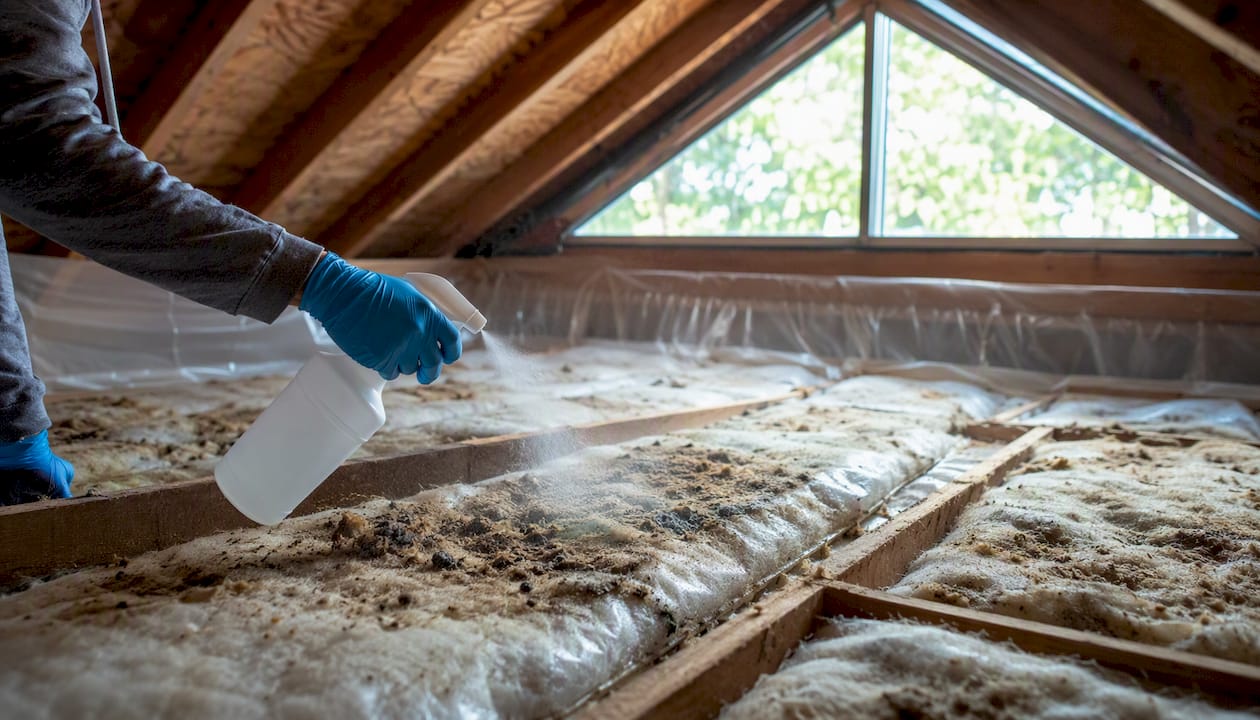
Rodent droppings carry their own health risk profile separate from asbestos. The CDC’s guidance on rodent-related hazards explains why droppings and nesting material require specific cleanup protocols rather than a standard vacuum-out, since dried waste can aerosolize and carry pathogens. A Wisconsin state health department page on vermiculite echoes the same caution: when in doubt, test first and hire certified professionals for anything that comes back positive.
Should You Remove Attic Insulation Yourself or Hire a Pro?
DIY removal looks tempting on paper. Rent a shop vac, buy some bags, spend a Saturday in the attic. Here’s the realistic breakdown of what that actually costs and where it falls apart.
- Equipment rental adds up fast. An industrial insulation vacuum typically rents for $200 to $400 per day, and a standard attic often takes a full day or more for one person working alone.
- PPE isn’t optional, and cheap PPE isn’t enough. Fine fiberglass particles and mold spores require a proper respirator, not a paper dust mask, plus sealed goggles and disposable coveralls. Basic hardware-store PPE frequently fails to filter the particle sizes involved.
- Disposal costs and logistics eat into savings. Bagged insulation has to go somewhere, and many landfills charge by weight or reject insulation waste outright without proper documentation.
- Total DIY cost often lands at $350 to $800 once you tally rental, bags, PPE, and disposal, against professional clean-removal jobs that commonly run $1,000 to $2,500 for comparable scope. The gap is real, but it’s smaller than most homeowners assume.
- Never DIY if you suspect asbestos, vermiculite, heavy mold, or significant rodent contamination. These situations require containment procedures, negative-air equipment, and disposal permits that go well beyond a rented vacuum and a weekend.
Professional crews bring a few things you genuinely can’t rent your way into: HEPA-filtered vacuum systems that trap fine particles instead of recirculating them, negative-air containment for contaminated jobs, insurance that covers accidental damage to wiring or ductwork, and disposal contracts that handle the paperwork landfills often require. Our guide on common DIY insulation removal mistakes covers the specific failure points we see most often when homeowners attempt this solo.
What Does It Cost to Remove and Replace Attic Insulation Together?
Most homeowners aren’t removing insulation just to leave the attic bare. They’re clearing out old, damaged, or contaminated material to install something better, and that combined project is where most quotes actually land.
Removal-plus-replacement runs about $2 to $6 per square foot for a typical attic without major contamination, with the material you choose driving where you fall in that range. Blown-in cellulose and fiberglass sit toward the lower end. Spray foam, which offers better air sealing and higher R-value per inch, sits at the top.
Bundled quotes frequently include more than just insulation swap-out. Watch for these common add-ons:
- Air sealing around can lights, plumbing stacks, and attic hatches, which stops conditioned air from leaking out before new insulation even goes in.
- Ventilation fixes, like adding or clearing soffit baffles so airflow isn’t blocked once insulation depth increases.
- Attic cleanout, removing old boxes, debris, or damaged materials that accumulated over the years.
Pro Tip: Ask your contractor whether your project qualifies for any energy-efficiency rebates or tax credits before signing. Programs tied to ENERGY STAR’s seal-and-insulate methodology sometimes offset a meaningful chunk of replacement costs, and eligibility often depends on documented air sealing work being part of the job. Our full replacement guide breaks down material options in more depth if you’re still deciding what to install.
How Long Does Attic Insulation Removal Actually Take?
A clean removal-only job on an average attic typically wraps in a single day, sometimes a half day for smaller attics under 800 square feet. Removal-plus-replacement stretches that to one to two days depending on attic size and whether air sealing is part of the scope.
The general project flow looks like this on a contaminated or suspect job:
Inspection and testing comes first. A contractor walks the attic, checks insulation depth and type, and if anything looks like vermiculite or shows signs of mold or pest activity, samples get sent for lab testing before anyone touches material.
Containment setup follows if testing comes back positive or contamination is visually obvious. This means sealing off the attic access point and running negative-air equipment so contaminated particles don’t spread into your living space.
Removal itself happens with HEPA-filtered vacuum systems on clean jobs, or more careful hand-bagging procedures when asbestos or heavy contamination is involved.
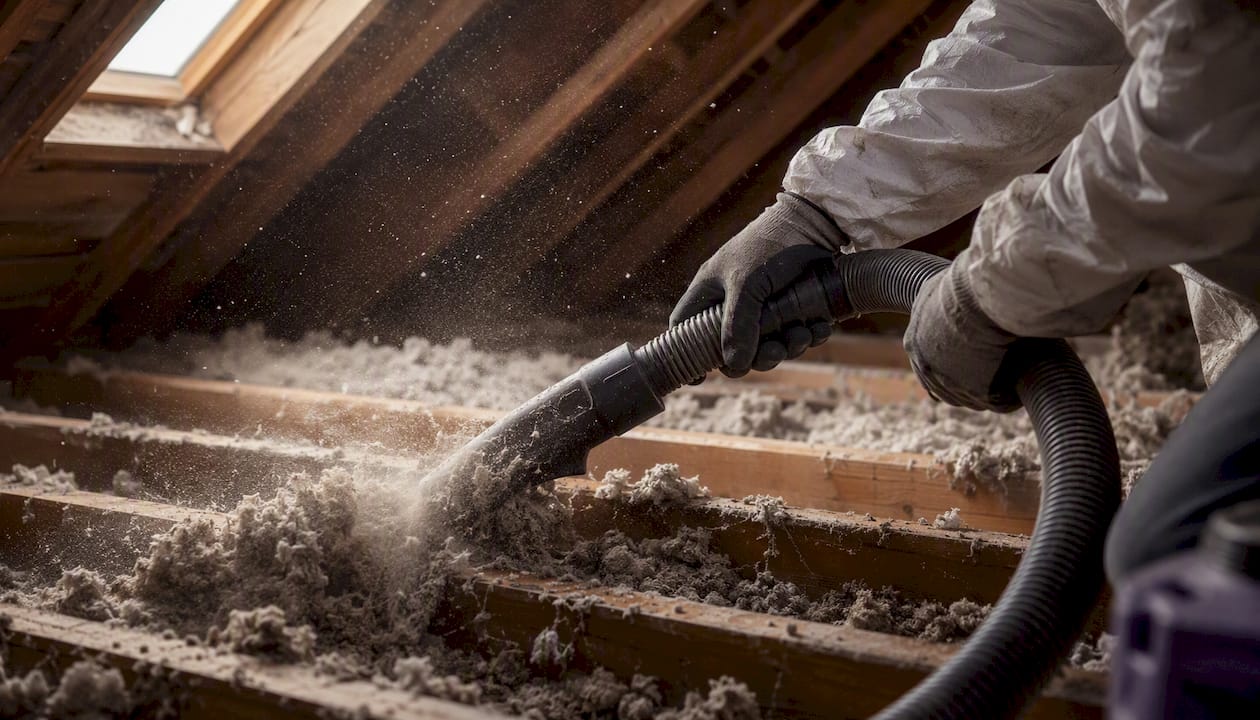
Cleaning and disinfection wraps up the removal phase, especially critical on rodent-contaminated attics where enzyme treatments address lingering odor and pathogen risk.
Re-insulation and air sealing close out the project if you’re doing a full replace, with the crew sealing gaps first and then installing new material to your target R-value.
Expect a work truck parked in your driveway for the day, disposal bags staged near a side entrance or garage, and if containment is running, visible plastic sheeting around the attic access point. None of this is unusual, and a contractor who skips staging on a contaminated job is cutting corners you’ll pay for later.
How Do You Get an Accurate Insulation Removal Quote?
A fair, comparable quote depends on the contractor actually inspecting your attic in person rather than guessing off a phone call. Here’s what a thorough inspection covers:
- Total attic square footage, measured, not eyeballed
- Insulation type and current depth
- Visible or suspected signs of contamination (staining, droppings, musty odor)
- Attic access difficulty, including hatch size and clearance height
- Where disposal will happen and how it’s documented
- Whether air sealing is included or quoted separately
- Whether testing is recommended before work begins
Once you have a written quote in hand, ask these questions before you sign anything:
- Are you licensed and certified for asbestos work if testing comes back positive?
- What containment procedures do you use on contaminated jobs?
- Are you insured, and can I see proof?
- Where does the removed material go, and how is disposal documented?
- What warranty comes with the work, and is it written into the contract?
A few red flags should make you pause immediately. A contractor who skips testing on suspected vermiculite and offers to “just remove it” is asking you to break federal safety guidance. Vague answers about where disposal happens usually mean it’s not happening legally. And watch the spread between bids: if two quotes sit around $2,000 and a third comes in at $600, that low bid is either skipping steps or hasn’t actually seen your attic in person.
What Do EPA and CDC Guidance Say About Attic Safety?
The safety guidance behind this whole topic isn’t opinion. It comes from federal agencies whose job is tracking exactly these risks.
Homeowners should not disturb vermiculite insulation suspected of containing asbestos on their own. If renovation or removal work requires disturbing it, the material should be tested first, and if it comes back positive, only experienced, trained asbestos abatement contractors should handle removal.
That’s the consolidated guidance Inspectapedia compiles from EPA sources, and it lines up exactly with what the EPA publishes directly. The practical takeaway for homeowners: testing first isn’t bureaucratic overcaution, it’s the only way to know whether you’re dealing with a $1,500 job or a $15,000 one.
Rodent contamination gets its own separate guidance track because the risks are biological rather than fiber-based. Professional cleanup differs from standard removal in that it often requires enzyme-based disinfectants and biohazard-grade disposal procedures rather than simple bagging, and full remediation on heavily contaminated attics can add a substantial percentage to total project cost once containment and specialized cleaning products enter the picture.
One more point worth being blunt about: the mask you’d buy at a hardware store for a weekend project usually isn’t rated for the particles you’re dealing with in an attic. Fine fiberglass fibers and aerosolized mold spores require a properly fitted respirator, not a paper dust mask, and this is one of the clearest reasons safety alone tips the DIY-versus-pro decision toward hiring out. Our breakdown of attic health hazards covers the full range of what can be lurking up there beyond just insulation.
A Contractor’s Take on What Actually Drives Cost
Here’s what I’ve noticed gets lost in most cost guides: homeowners fixate on the per-square-foot number and skip the decision that actually saves them the most money, which is what they do before the contractor arrives.
Decluttering the attic ahead of time matters more than people think. Every box, holiday decoration, and stack of old lumber up there is something a crew has to move around or work through, and that time gets billed. If you can clear a path to the hatch and stack loose items to one side, you’ve just shaved real labor time off the quote.
Improving access matters too. If your only way into the attic is a cramped pull-down ladder with 3 feet of standing clearance, that’s not something you can fix before a quote, but it’s worth mentioning up front so the contractor prices it correctly the first time instead of surprising you with a change order mid-job.
And isolating suspected contamination, meaning don’t poke at it, don’t try to bag a sample yourself, don’t send your kid up there to “check it out”, is the single best thing you can do while you wait for test results.
On accepting a quote versus pausing: if a contractor’s price seems reasonable and they’ve clearly inspected your attic in person, checked insulation depth, and asked about contamination signs, that’s a good bid to move forward on. If they’re quoting off a phone description, skipping testing on anything that looks remotely like vermiculite, or their number is dramatically lower than two other bids you’ve collected, pause and get a second opinion. The money you save by rushing a lowball quote rarely survives contact with what’s actually hiding in your attic.
How The Attic Genius Handles Removal, Contamination, and Everything In Between
Most contractors handle straightforward removal jobs fine. Fewer are equipped to test for vermiculite, remediate mold, clean up rodent waste, and reinstall proper insulation and air sealing without handing you off to three different specialists. The Attic Genius runs all of it under one roof, so you’re not coordinating separate crews for removal, decontamination, and replacement.
If your attic shows any sign of contamination, our team handles pest and vermin waste cleanup and moisture and mold remediation as part of the same project scope rather than a separate referral. Once your attic is clean, we handle air sealing and reinsulation together, since sealing gaps before adding new material is what actually makes the new insulation perform the way it’s supposed to.
We back our work with written warranties and offer same-day inspections across Chicagoland and the Northwest Suburbs, backed by 25+ years of combined team experience and over 400 combined five-star reviews. Before your inspection, have your attic access point cleared if possible and note any areas where you’ve seen staining, droppings, or unusual odors. If you’re planning a full insulation refresh, our attic upgrade preparation guide walks through what to do beforehand. Ready to find out what your attic actually needs? Request a same-day inspection and get a written, upfront quote before any work begins.
Frequently Asked Questions About Attic Insulation Removal Cost
How much does it cost to remove attic insulation on average?
Clean removal with no contamination typically costs $1 to $2 per square foot, putting most average-sized attics between $1,600 and $3,600 total.
Does removing and replacing insulation cost more than removal alone?
Yes. Removal plus new insulation runs about $2 to $6 per square foot since you’re paying for material and installation labor on top of the teardown.
How do I know if my attic insulation contains asbestos?
Vermiculite insulation, which looks like small gray or gold pebbles, sometimes contains asbestos. The EPA recommends leaving it undisturbed and having it professionally tested rather than checking it yourself.
Is it cheaper to remove attic insulation myself?
DIY removal often costs $350 to $800 once you account for vacuum rental, PPE, and disposal, compared to $1,000 to $2,500 for professional clean removal. The gap narrows once you factor in time and safety risk, and DIY isn’t safe if contamination is suspected.
What increases attic insulation removal cost the most?
Contamination is the single biggest factor. Mold or rodent waste can push costs to $4.50 to $6 or more per square foot, and confirmed asbestos abatement runs $10 to $25 or more per square foot.
Sources
Attic insulation involves real health stakes alongside the cost question, which is why this guide leans on federal safety agencies and documented industry pricing rather than guesswork. The EPA and CDC set the safety standards for asbestos and rodent contamination, while cost figures come from contractors and cost-research sites that publish real project pricing.
When cost and safety guidance overlap, safety guidance wins. No dollar figure is worth skipping a test for suspected asbestos or disturbing rodent waste without proper protection.
For further reading, the EPA’s vermiculite and asbestos guidance, the CDC’s rodent control resources, and ENERGY STAR’s seal-and-insulate methodology cover the safety and efficiency fundamentals in more depth than any single article can.
- Protect your family from asbestos-contaminated vermiculite insulation | US EPA
- How Much Does Attic Insulation Removal Cost? (2025) – HomeGuide
- Attic Insulation Removal: What to Expect and Replacement Cost | TLS Insulation