Attic insulation before selling home is one of the highest-return upgrades a seller can make, with property value increases of 2%–6% and annual energy savings of $200–$600 for the new owner. That combination of lower utility bills and higher appraised value is exactly what buyers in 2026 are looking for. Attic insulation upgrades also return 100%–120% of their cost at resale, outperforming most cosmetic renovations. Theatticgenius has helped hundreds of Chicagoland homeowners get their attics sale-ready, and this guide covers everything you need to know before listing.
Why does attic insulation matter for home sellers?
Attic insulation is a standard inspection point in nearly every home sale. Inspectors flag thin, compressed, or contaminated insulation, and buyers use those findings to negotiate price reductions. A poorly insulated attic signals deferred maintenance, which raises doubts about the rest of the home.
Buyers today are acutely aware of energy costs. A well-insulated home signals lower future utility bills and reduces the buyer’s financial risk after closing. That perception translates directly into stronger offers and fewer concessions from sellers.
“Prioritizing attic insulation upgrades is as much about reducing buyer objections as it is about energy savings. Sellers who address insulation proactively remove one of the most common negotiating chips from the buyer’s hand.”
Here is what buyers and inspectors look for when they evaluate attic insulation:
- Adequate R-value: Insulation must meet local energy code minimums. In Chicagoland, the Department of Energy recommends R-49 to R-60 for attics.
- No visible damage: Compressed, wet, or discolored insulation signals moisture problems or pest activity.
- Even coverage: Gaps or thin spots around eaves, hatches, and HVAC equipment are red flags.
- No hazardous materials: Vermiculite or asbestos-containing insulation in older homes requires professional remediation before sale.
Compressed or contaminated insulation is one of the most frequently cited attic issues in home inspections. Sellers who address it before listing remove a powerful bargaining chip from the buyer’s hand.
What should you check before upgrading attic insulation?
A thorough pre-upgrade inspection prevents costly surprises and keeps your project on schedule. Skipping this step can mean installing new insulation over a moisture problem or hazardous material, which creates bigger issues at closing.
Work through these steps before any insulation work begins:
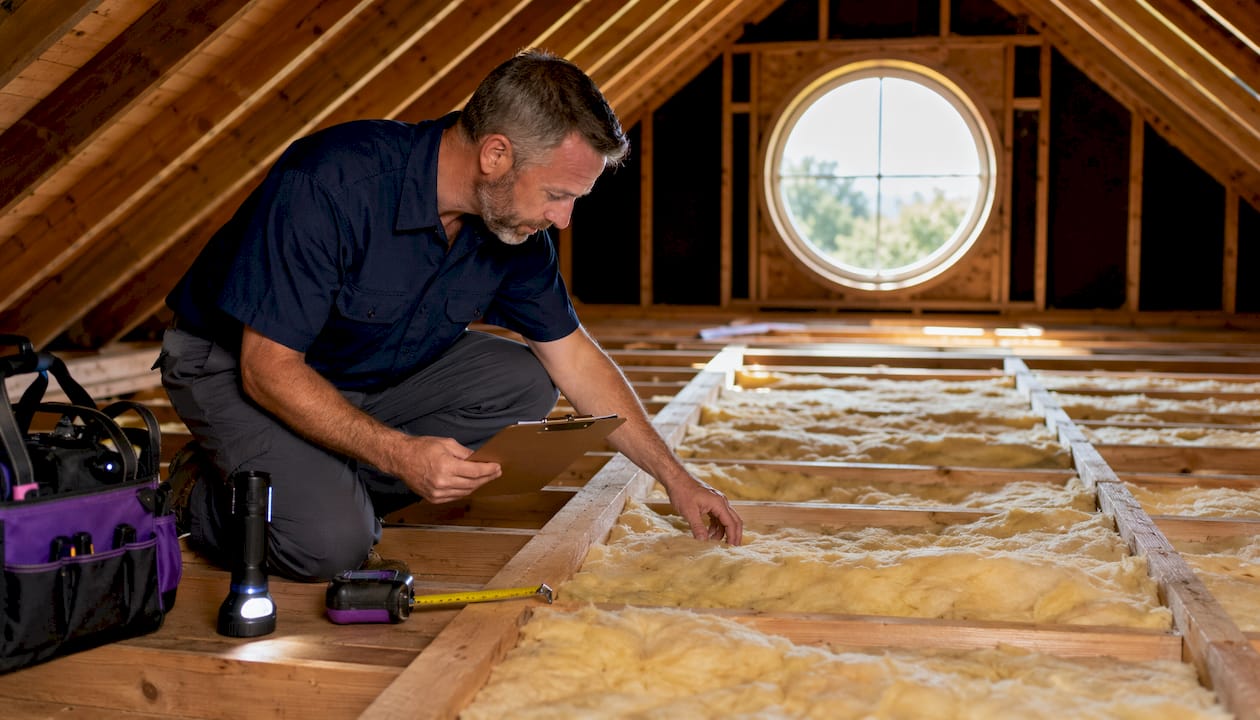
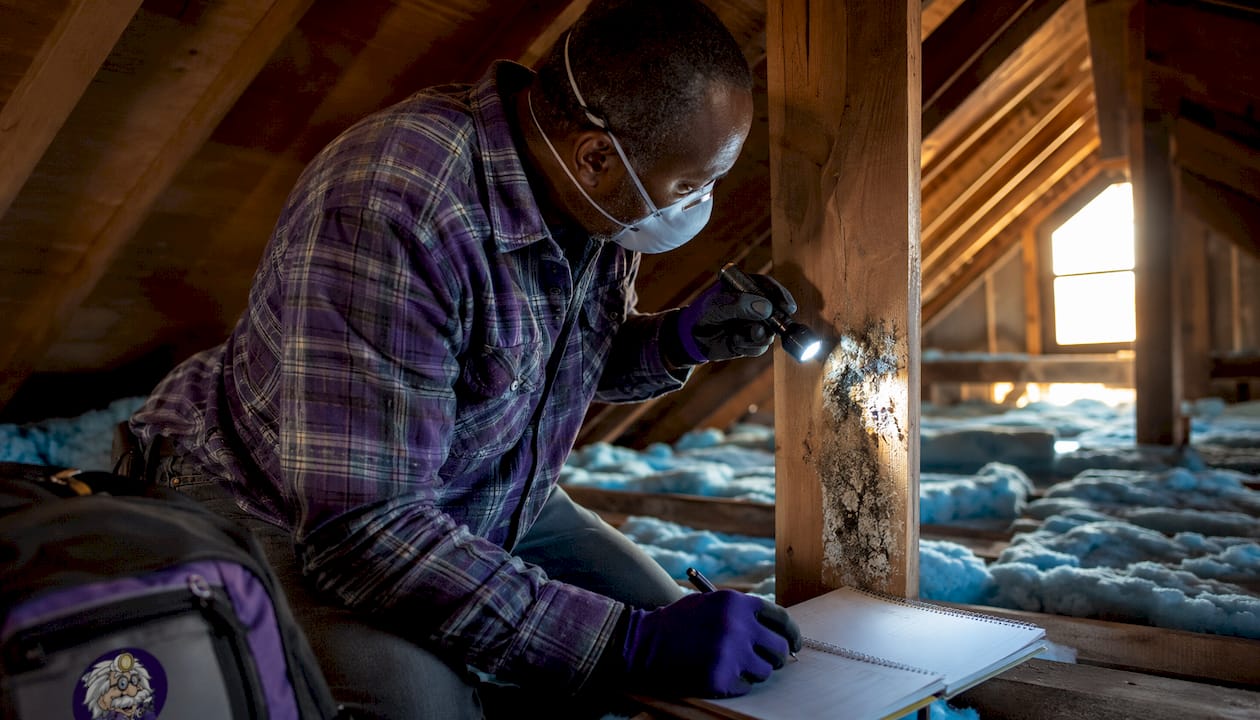
- Visual inspection. Look for water stains, mold growth, pest droppings, or insulation that has shifted or compressed. Any of these conditions requires remediation before new insulation goes in.
- Hazardous material screening. Homes built before 1990 may contain asbestos or vermiculite in the attic. Failure to test and remediate can delay your sale or create legal liability.
- R-value measurement. Measure the existing insulation depth and compare it to current code requirements for your area. This tells you whether you need a full replacement or just a top-up.
- Consult your real estate agent. Pre-listing agent consultation helps you determine which upgrades will add value in your specific market. Not every improvement pays off equally in every neighborhood.
- Decide: removal or overlay. Remove insulation only if it is contaminated, wet, or hazardous. Otherwise, air sealing and topping up existing insulation is faster and more cost-effective.
Pro Tip: Schedule your attic inspection at least six to eight weeks before your target listing date. That window gives you time to address any remediation needs, complete the upgrade, and gather documentation before buyers start touring.
How to upgrade attic insulation effectively before selling
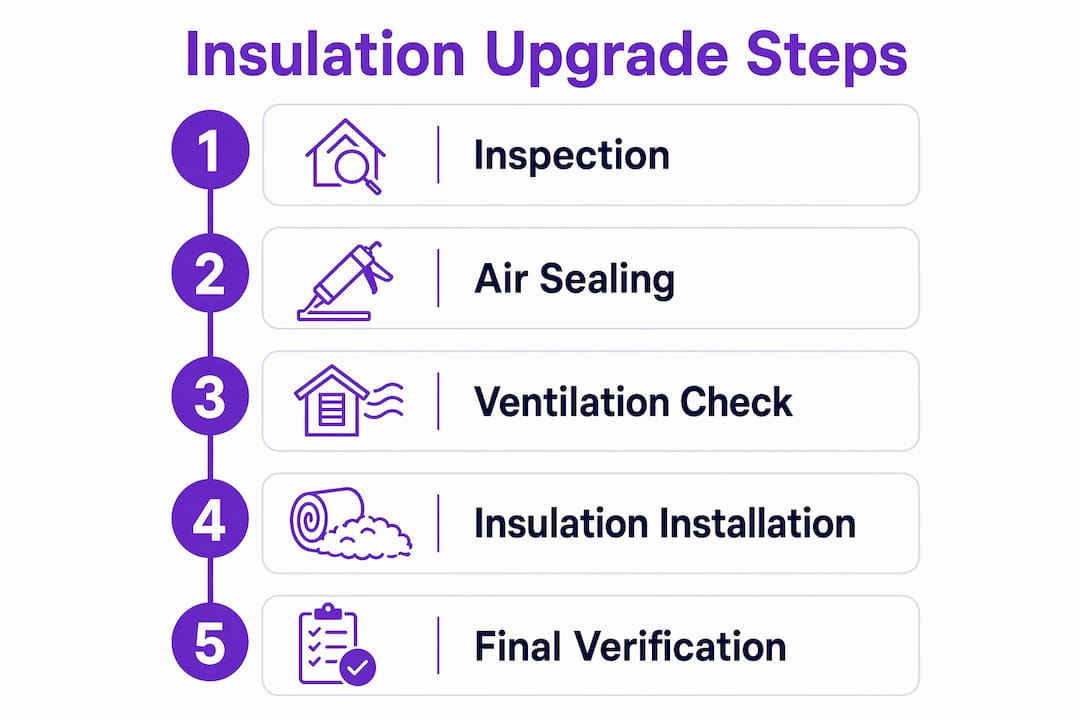
The upgrade process follows a clear sequence. Skipping steps, especially air sealing, wastes money and leaves performance on the table.
Choose the right insulation type
Blown-in cellulose and blown-in fiberglass are the top choices for pre-sale attic upgrades. Both install quickly, cover irregular spaces evenly, and achieve the R-values buyers and inspectors expect. Spray foam is effective for air sealing specific gaps but is rarely the primary insulation material for a full attic upgrade.
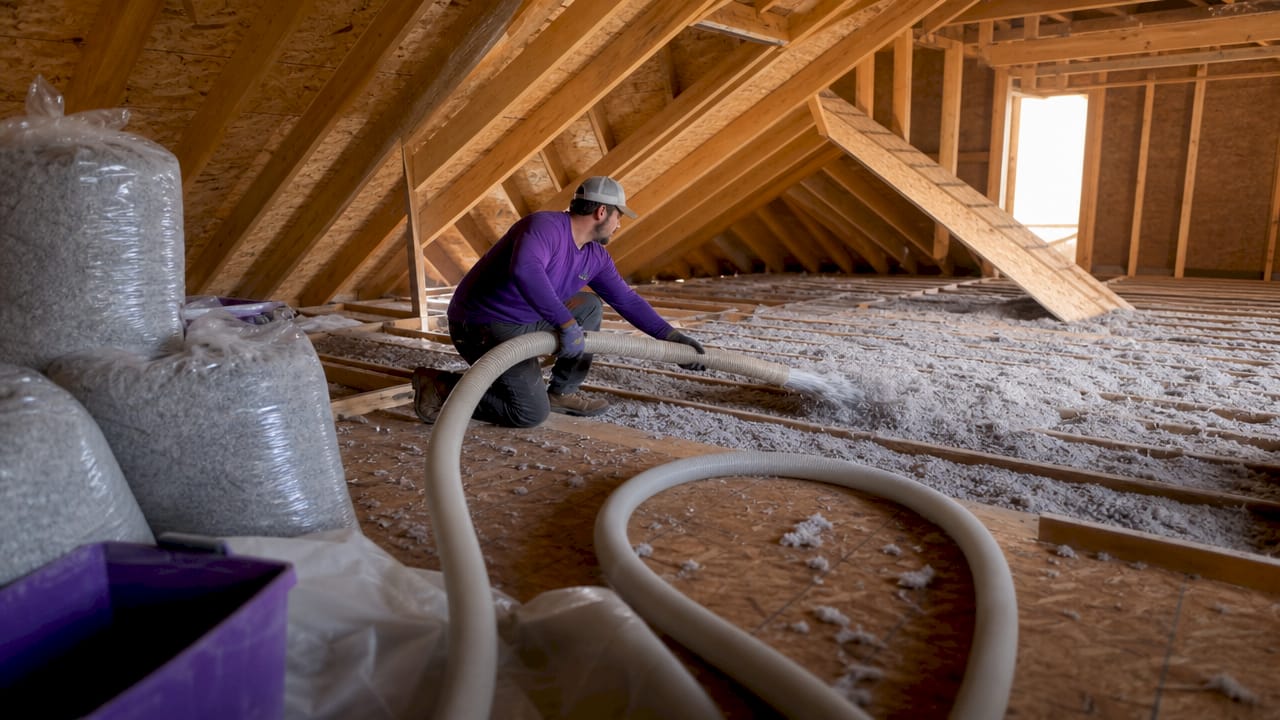
The advantages of blown-in insulation include fast installation, minimal disruption to the home, and consistent coverage across joists and around obstructions. That speed matters when you are working against a listing deadline.
Seal air leaks first
Air sealing prevents convective heat loss and is the single most important step before adding insulation. Gaps around wiring, pipes, recessed lights, and the attic hatch allow conditioned air to escape regardless of how much insulation sits on top. Theatticgenius handles attic air sealing as part of every insulation project, because insulation without sealing underperforms.
Address ventilation
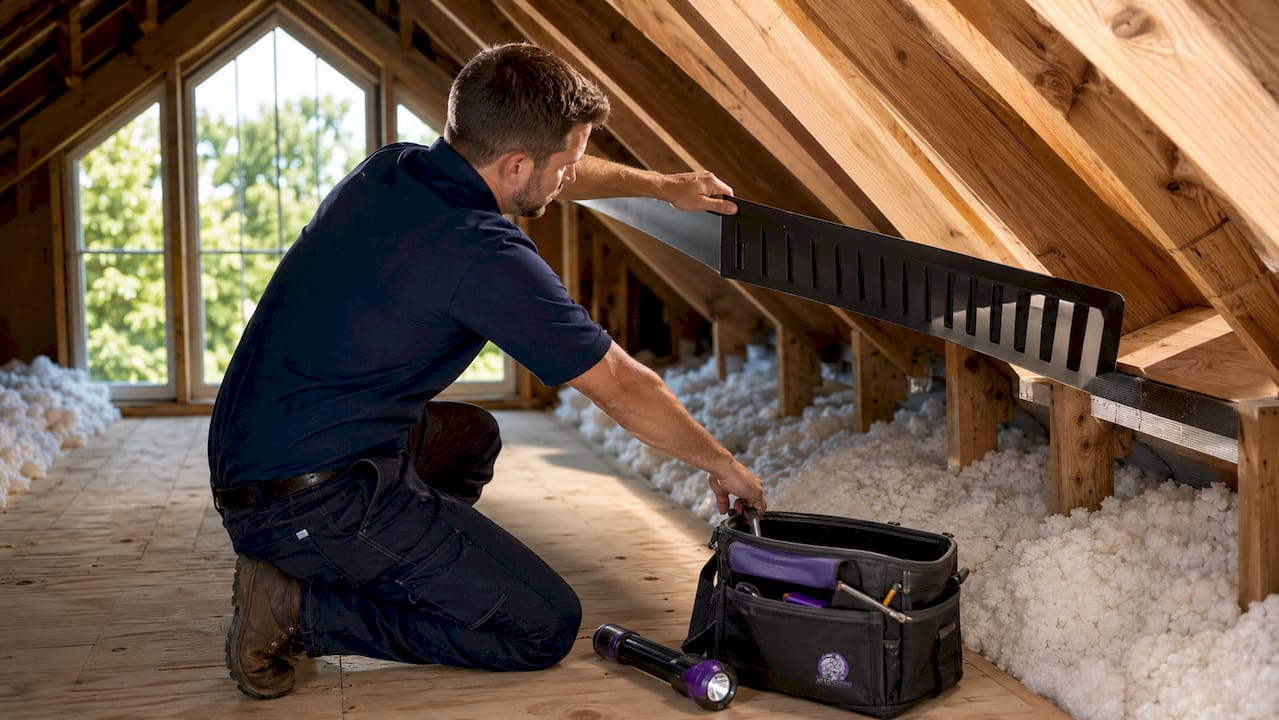
Proper attic ventilation prevents moisture buildup after insulation is added. Blocking soffit vents or covering ridge vents during installation creates the conditions for mold growth, which is a serious inspection red flag. Attic ventilation should be evaluated and corrected before or during the insulation upgrade.
Understand the costs and timeline
| Upgrade type | Typical cost (2026) | Typical timeline |
|---|---|---|
| Blown-in insulation (full attic) | $2,000–$5,000 | 1 day |
| Air sealing only | $500–$1,500 | Half day |
| Full removal and replacement | $3,000–$8,000 | 1–2 days |
| Hazardous material remediation | Varies by scope | 1–5 days |
Pro Tip: Get written documentation from your contractor listing the insulation type, R-value achieved, and the date of installation. Buyers and their agents will ask for it, and having it ready speeds up the transaction.
Common pitfalls and attic inspection red flags
Sellers often discover attic problems only after a buyer’s inspector finds them. Addressing these issues proactively keeps your sale on track and protects your asking price.
The most common red flags inspectors flag include:
- Compressed insulation: Old fiberglass batts lose R-value as they compress over time. Thin or flattened insulation is visible and easy for inspectors to measure.
- Moisture stains and mold: Water intrusion from a roof leak or poor ventilation leaves stains and can produce mold. Moisture and mold remediation must happen before new insulation is installed.
- Pest contamination: Rodent droppings, nesting material, and urine-soaked insulation are health hazards and inspection deal-breakers. Contaminated insulation requires full removal and professional cleanup.
- Missing or inadequate air sealing: Inspectors and energy auditors can detect air leaks with a blower door test. Unsealed penetrations undermine the value of any insulation upgrade.
- Asbestos or vermiculite: Older homes with gray, pebble-like vermiculite insulation require licensed abatement before any other work proceeds.
“Professional attic inspections and upgrades reduce sale contingencies and speed up closing. Sellers who document their attic work give buyers fewer reasons to ask for credits or repairs.”
Over-insulating without air sealing is a common and expensive mistake. Adding R-60 of blown-in insulation over unsealed gaps still allows significant heat loss. The air sealing step costs a fraction of the insulation itself and doubles the performance gain.
What documents should you give buyers to prove insulation quality?
Documentation turns your attic upgrade from a verbal claim into a verifiable asset. Buyers increasingly expect proof of insulation upgrades, and sellers who provide it close faster and at stronger prices.
Prepare and organize the following before listing:
- Before and after photos. Time-stamped photos showing the attic condition before work began and after completion give buyers visual confirmation of the upgrade.
- Contractor invoice and material specs. The invoice should list the insulation product, R-value installed, and square footage covered.
- R-value certification. Many contractors provide a certificate of completion that states the R-value achieved. This is the document buyers and their agents look for first.
- Inspection and testing reports. If you had a pre-upgrade inspection, an air quality test, or hazardous material screening, include those reports in your disclosure package.
- Remediation records. If asbestos, mold, or pest contamination was addressed, include the remediation contractor’s report and any clearance testing results. Disclosure of health-related findings is legally required in most states, and documented remediation protects you from post-sale liability.
A well-organized disclosure package signals a seller who maintains their home. That perception alone can shift buyer behavior in a competitive market.
Key Takeaways
Attic insulation upgrades before selling deliver 100%–120% ROI, reduce buyer objections, and can increase your sale price by 2%–6% when paired with proper air sealing and documentation.
| Point | Details |
|---|---|
| High ROI upgrade | Attic insulation returns 100%–120% of its cost at resale, outperforming most cosmetic renovations. |
| Buyer appeal | Well-insulated homes attract stronger offers by promising lower future energy bills. |
| Inspect before upgrading | Check for moisture, pests, and hazardous materials before adding any new insulation. |
| Air sealing is non-negotiable | Insulation without air sealing underperforms; seal gaps around pipes, wiring, and fixtures first. |
| Documentation closes deals | Provide R-value certificates, photos, and inspection reports to build buyer confidence and protect your price. |
What I’ve learned after years of pre-sale attic work
Sellers consistently underestimate how much leverage a bad attic inspection hands to buyers. I have seen deals where a buyer’s inspector flagged thin insulation and the seller ended up crediting $4,000 at closing. The actual cost to fix the insulation would have been $2,200. That math is painful, and it is entirely avoidable.
The other pattern I see is sellers who over-invest without talking to their agent first. Spending $8,000 on a full attic renovation in a neighborhood where homes sell for $280,000 rarely pays off. The sweet spot is almost always a targeted upgrade: air seal the penetrations, top up to code, fix any contamination, and document everything. That approach costs $2,500–$4,000 in most cases and removes the attic from the buyer’s objection list entirely.
Energy efficiency is also becoming a genuine purchase driver, not just a nice-to-have. Buyers in 2026 are asking about utility bills during showings. A seller who can hand over a utility comparison showing lower bills after an insulation upgrade has a concrete, credible answer. That is a competitive advantage most sellers leave on the table.
My honest advice: schedule the attic inspection before you schedule the listing photos. What you find in that attic determines your timeline, your budget, and your negotiating position. Getting ahead of it is always cheaper than reacting to a buyer’s inspector report.
— Jim
Theatticgenius can get your attic sale-ready fast
Selling a home in Chicagoland means competing with sellers who have already addressed their attic. Theatticgenius specializes in professional attic insulation upgrades built around pre-sale timelines, with most blown-in insulation projects completed in a single day.
The team at Theatticgenius handles the full scope: air sealing, insulation installation, ventilation correction, mold remediation, and pest cleanup. Every project comes with upfront pricing, written warranties, and complete documentation you can hand directly to buyers. With 400+ five-star reviews and 25+ years of combined experience across the Northwest Suburbs and greater Chicagoland, Theatticgenius gives you the attic report buyers want to see. Schedule a free inspection and know exactly where your attic stands before your listing goes live.
FAQ
Does attic insulation increase home value before selling?
Yes. Homes with proper attic insulation increase in value by 2%–6% and typically return 100%–120% of the upgrade cost at resale.
How much does attic insulation cost before selling a home?
A blown-in insulation upgrade for a full attic costs $2,000–$5,000 in 2026 and is usually completed in one day, making it one of the fastest pre-sale improvements available.
Should I remove old attic insulation before selling?
Remove old insulation only if it is contaminated, wet, or contains hazardous materials. Otherwise, air sealing and topping up existing insulation is faster and more cost-effective.
What documents should I give buyers about attic insulation?
Provide before and after photos, the contractor invoice with R-value specs, an R-value certificate, and any inspection or remediation reports. Documented upgrades build buyer confidence and support your asking price.
How long before listing should I upgrade attic insulation?
Schedule your attic inspection and upgrade at least six to eight weeks before your target listing date to allow time for remediation, installation, and documentation.