Homeowners now prioritize energy efficiency in the constantly changing field of home improvement. There has never been a more important time to find efficient solutions to insulate our homes, as energy bills keep rising and environmental concerns becoming worse. Insulation that is blasted in is one remedy that is becoming increasingly popular. But what is this cutting-edge insulation technique precisely, and how can it help you as a homeowner? Let's examine the many benefits of blown-in insulation by delving deeply into this topic.
An Overview of Blown-In Insulation
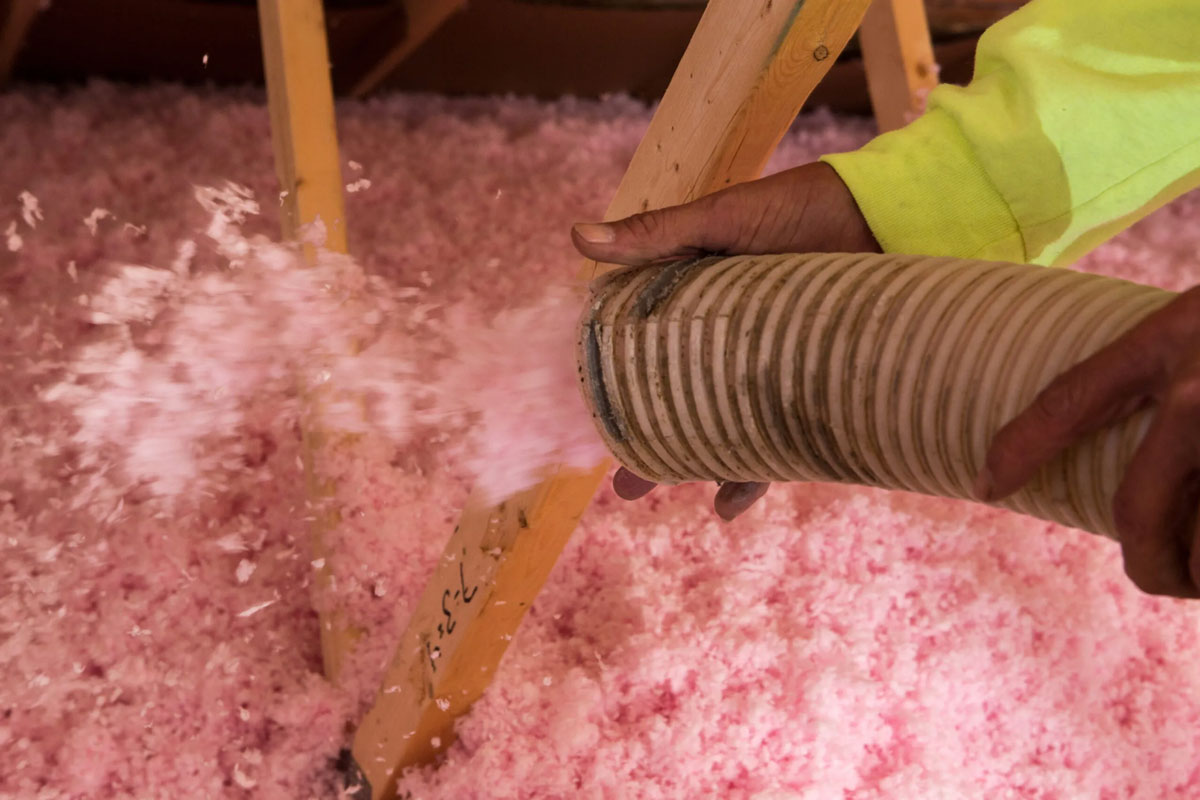
Prior to discussing the advantages, it's critical to comprehend blown-in insulation and its operation. Blown-in insulation, sometimes called loose-fill insulation, is a technique for insulating your house that involves spraying or blowing tiny insulating material particles into gaps. This method makes use of specialized tools to provide a thorough and consistent application.
For blown-in insulation, the following materials are most often used:
1. Fiberglass: Known for its superior thermal qualities, this material is composed of microscopic glass fibers.
2. Cellulose: An environmentally beneficial alternative, cellulose is mostly made of recycled paper goods.
3. Mineral wool: Also referred to as rock wool, this material is extremely fire-resistant and is derived from recycled materials.
The capacity of blown-in insulation to seal even the smallest gaps, fissures, and crevices that other forms of insulation could overlook is what makes it unique. By doing this, you may successfully seal your home against heat transmission by creating a continuous thermal barrier.
The Benefits of Blown-In Insulation
Any insulation's main purpose is to lessen heat transmission from your home's exterior to interior. This is where blown-in insulation shines because it forms a stronger barrier against heat transfer. How it helps is as follows:
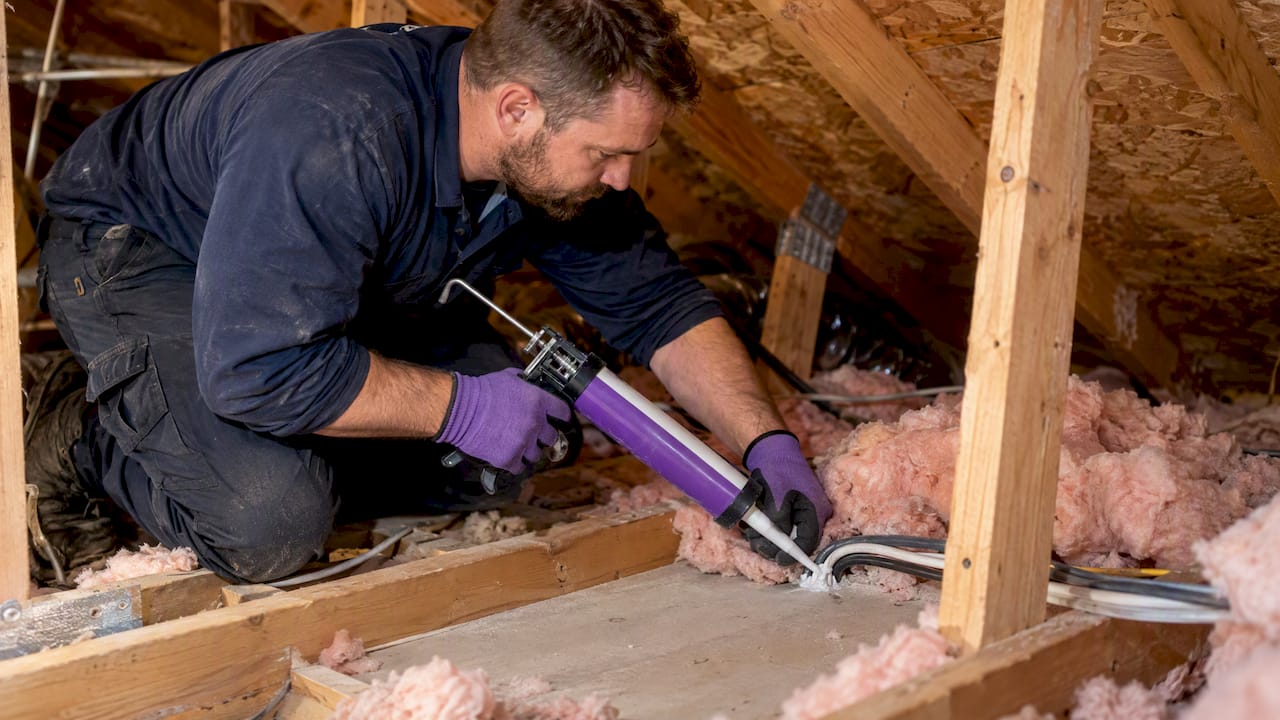
1. Decreases Air Leaks: Blown-in insulation greatly decreases air leaks, which are a major source of energy waste in homes, by entirely filling gaps more thoroughly than traditional batt insulation.
2. Maintains Consistent Temperatures: Blown-in insulation contributes to the uniformity of indoor temperatures throughout your house because of its more extensive coverage.
3. Lessens Demand on HVAC Systems: By making your home more insulated, your HVAC systems won't have to work as hard to keep the temperature at a comfortable level, possibly prolonging their lives.
After learning more about blown-in insulation and its operation, let's examine the seven main advantages it provides to homeowners.
The Ultimate 7 Benefits of Blown-In Insulation
1. Increased Efficiency in Use of Energy
One of the main advantages of blown-in insulation is its greater energy efficiency. By strengthening the barrier against heat transfer, this type of insulation helps keep your home warmer in the winter and cooler in the summer.
According to U.S. Department of Energy estimates, you can reduce your heating and cooling expenses by as much as 20% by properly insulating your home. These savings can mount up rapidly in areas like Chicagoland that see severe temperature swings.
Furthermore, cutting back on your energy use not only saves you money but also lessens your carbon footprint, which makes blown-in insulation a green option.
2. Better Insulation for Attics
Although blown-in insulation can be installed in many areas of your house, attic spaces are where it performs best. One of the main places in homes where energy is lost is frequently the attic. When insulation is insufficient, heat rises and escapes through the roof during the winter. During the summer, heat from the sun can enter your attic and making it more difficult to maintain a cool home.
Because it can readily fit around barriers like pipes and wiring and cover joists, blown-in insulation works well in attic areas. It produces an impermeable blanket that keeps heat out in the summer and traps it in the winter, significantly increasing the energy efficiency of your house.
3. Easy and Quick Installation
The installation process for blown-in insulation is comparatively simple and rapid when compared to other insulation technologies. To ensure a consistent and thorough application, professional installers blow the insulation into the necessary gaps using specialized equipment.
To minimize any disruption to your regular routine, the installation process can often be finished in a single day. This is especially useful for retrofit projects in existing homes because it eliminates the need for major construction or drywall removal.
4. Outstanding Sound Absorption
The superior soundproofing properties of blown-in insulation are a feature that is frequently disregarded. The material is exceptionally effective at absorbing sound because of its density and apacity to fill every nook and crevice.
This may be especially helpful if you reside close to an airport, on a busy road, or in a noisy neighborhood. Blown-in insulation can contribute to a calmer, quieter interior by attenuating outside noises. Additionally, it can lessen sound transference between rooms in your house, improving seclusion all around.
5. Environmentally Friendly Choices
Blown-in insulation provides a number of eco-friendly solutions for homeowners that care about the environment. For example, cellulose insulation is mostly composed of recycled paper goods; it usually contains 85% recycled material. Comparing this to other insulation materials, it uses less energy to create and decreases waste.
Even fiberglass, another material that's frequently used for blown-in insulation, frequently has a sizable portion of recycled glass in it. Selecting one of these alternatives will not only increase the energy efficiency of your house but also benefit the environment.
Furthermore, you're indirectly lowering your carbon footprint and promoting environmental conservation by lowering the energy usage of your house.
6. Resistance to Insects and Mold
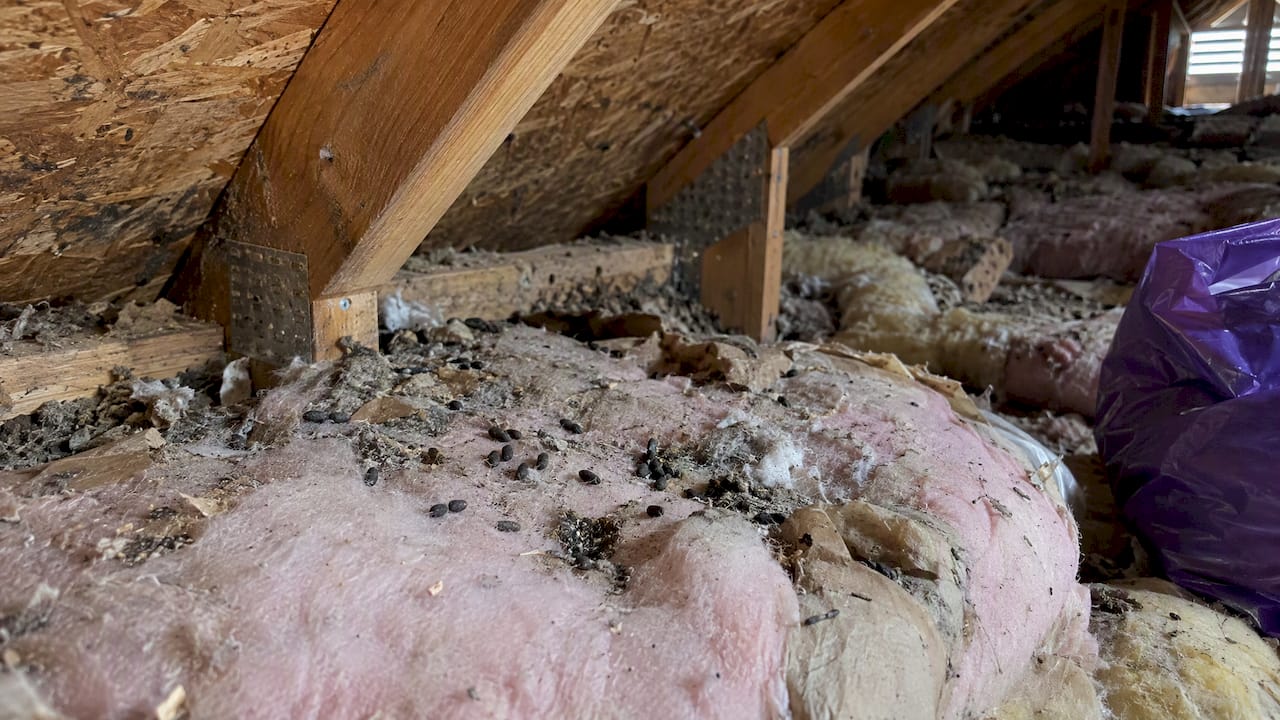
The added advantages of mold and insect resistance are available with certain varieties of blown-in insulation. For example, a natural chemical called borate is used to treat many cellulose insulation products to prevent mold growth, mice, and insects.
This pest resistance can shield your insulation and the structural integrity of your house by preventing infestations in your walls or attic. The mold-resistant qualities contribute to a healthier interior environment, especially in regions that are prone to moisture.
Furthermore, blown-in insulation can aid in preventing the initial circumstances that give rise to mold formation by decreasing moisture buildup and air leakage. This helps to improve indoor air quality in addition to protecting your house.
7. A Higher Valuation for Your Home
Energy efficiency is a feature that home purchasers are finding more and more significant in today's real estate market. Potential buyers find a well-insulated home more appealing, particularly in areas with harsh weather.
By installing blown-in insulation, you're not just improving your current living conditions – you're also investing in your home's overall appeal and value. Energy-efficient homes often command higher prices and sell faster than their less efficient counterparts.
Moreover, if you decide to sell your home, having documentation of professional insulation installation can be a strong selling point. It demonstrates to potential buyers that the home has been well-maintained and updated with energy-efficient features.
In summary
A clever, useful, and affordable approach to insulate your house, especially in important spaces like the attic, is with blown-in insulation. Because of its capacity to close even the smallest gaps, it produces a superior thermal barrier, which enhances temperature management, energy efficiency, and may even result in cost savings.
Beyond energy efficiency, the benefits of sound dampening, eco-friendly options, pest and mold resistance, and increased home value make blown-in insulation an attractive choice for many homeowners. Whether you're building a new home, renovating an older property, or simply looking to improve your home's energy performance, blown-in insulation provides a versatile solution that can significantly enhance your home's comfort and efficiency year-round.
As with any home renovation project, it's critical to collaborate with qualified installers who can guarantee correct installation and optimize the advantages of blown-in insulation. You can benefit from a more efficient, pleasant, and valued house for many years to come with the proper installation.