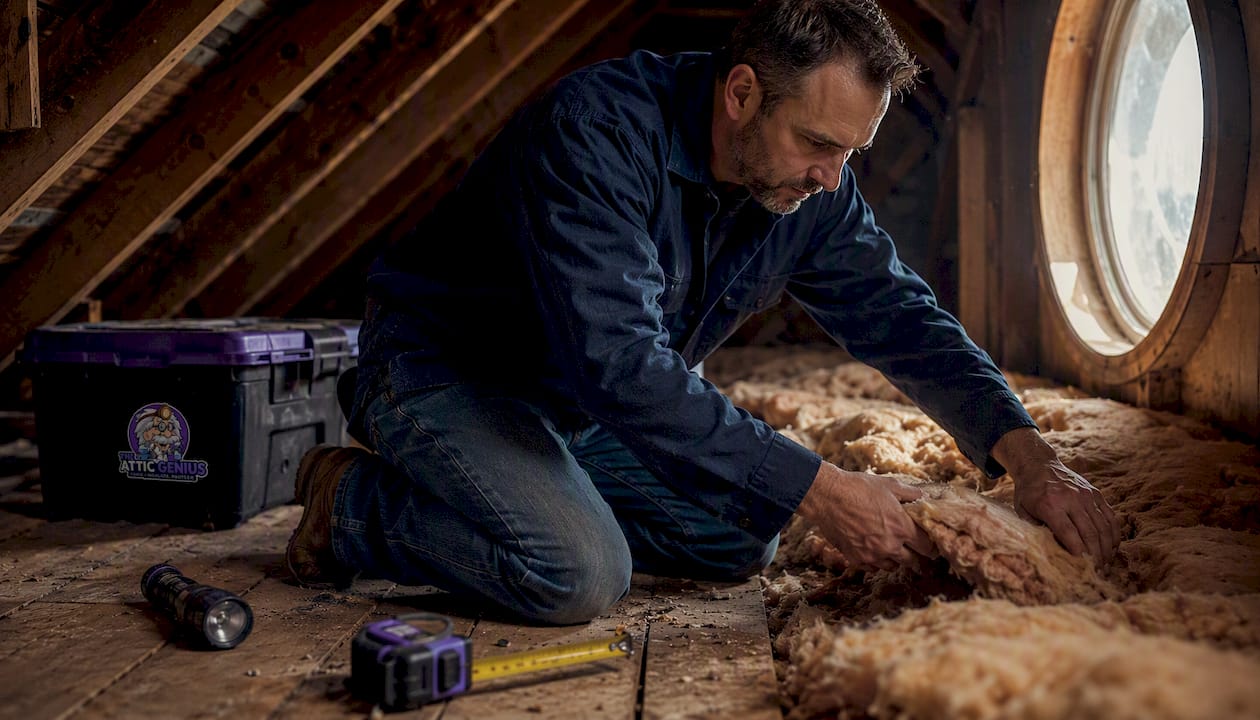
Old insulation loses effectiveness when its ability to trap still air is physically or chemically destroyed. Settling, moisture, pest damage, and air movement are the four leading causes, and each one reduces thermal resistance (R-value) in a different way. The U.S. Department of Energy recommends removing wet insulation rather than drying it in place, because saturated material can stay permanently damaged even after it appears dry. The EPA notes that mold can begin growing on wet building materials within a few days. If your attic insulation has aged significantly, the odds of meaningful performance decline are real. Start by measuring installed depth in several spots and looking for moisture stains or pest droppings. Wet, moldy, or heavily contaminated insulation calls for a professional, not a DIY patch.
Table of Contents
- Why old insulation loses effectiveness: the main causes
- How these failure modes actually reduce R-value
- How to tell if your insulation is no longer doing its job
- Typical service life by insulation material
- How to inspect, measure, and decide between topping up and replacing
- How to keep insulation working well over time
- When it’s time to hire a professional
- Key Takeaways
- What the field actually teaches you about insulation
- The Attic Genius can assess your attic and fix what’s actually wrong
- Useful sources
Why old insulation loses effectiveness: the main causes
Insulation fails through six primary mechanisms. Understanding which one is at work in your attic tells you whether a top-up will fix it or whether you need full removal.
- Settling and compression. Blown fiberglass and cellulose both compact under gravity over time. Less thickness means less trapped air, which means lower R-value. Batts that get walked on or stored under boxes lose their loft and never fully recover.
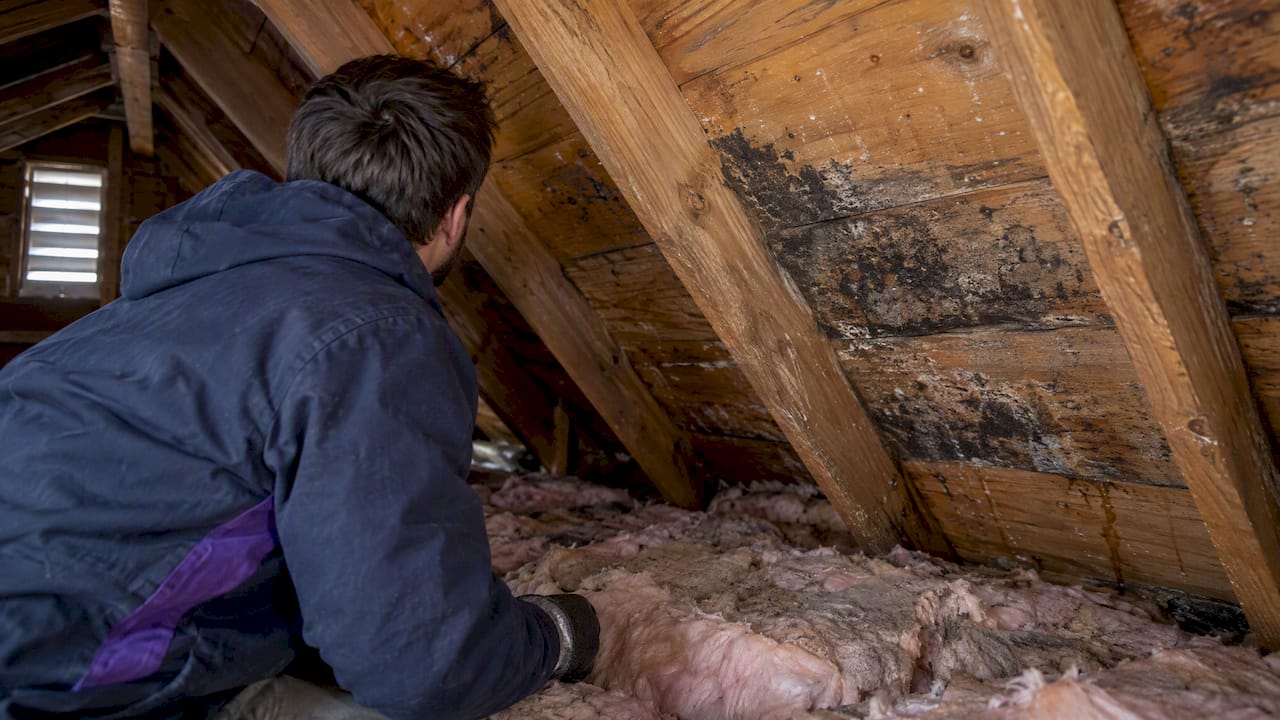
- Moisture and water damage. Water is the single most destructive force for insulation. Saturated material conducts heat far more than trapped air and can remain permanently damaged even after drying. A slow roof leak or condensation from a poorly ventilated attic can quietly ruin an entire field of insulation.
- Pest contamination. Rodents tunnel through batts, shred material for nesting, and leave behind droppings and urine that compress and contaminate insulation. The thermal damage is compounded by serious health risks.
- Air movement (convective bypass). Insulation slows conductive heat transfer, but it cannot stop air from moving through gaps around it. Bypasses at recessed lights, plumbing chases, and the attic hatch allow warm air to flow directly into the attic, carrying heat with it regardless of how much insulation sits nearby.
- Thermal bridging and installation defects. Wood framing, metal fasteners, and poorly fitted batts create conductive shortcuts that bypass insulation entirely. Gaps left during installation compound over time as materials shift.
- Chemical breakdown. Rigid foam and spray foam products can lose blowing agents over time, reducing their thermal resistance. Older fire retardant treatments in cellulose can also degrade. Laboratory studies have found decreases in thermal resistance of over 20% in some foamed plastic products due to this process.
Pro Tip: Before adding more insulation, have an air sealing assessment done first. Sealing bypasses at recessed lights, plumbing chases, and the attic hatch often delivers bigger comfort and energy gains than adding R-value alone.
How these failure modes actually reduce R-value
R-value measures a material’s resistance to heat flow, and it depends almost entirely on the material’s ability to hold still air in tiny pockets. Compress those pockets, fill them with water, or let air move freely around the material, and thermal resistance drops fast.
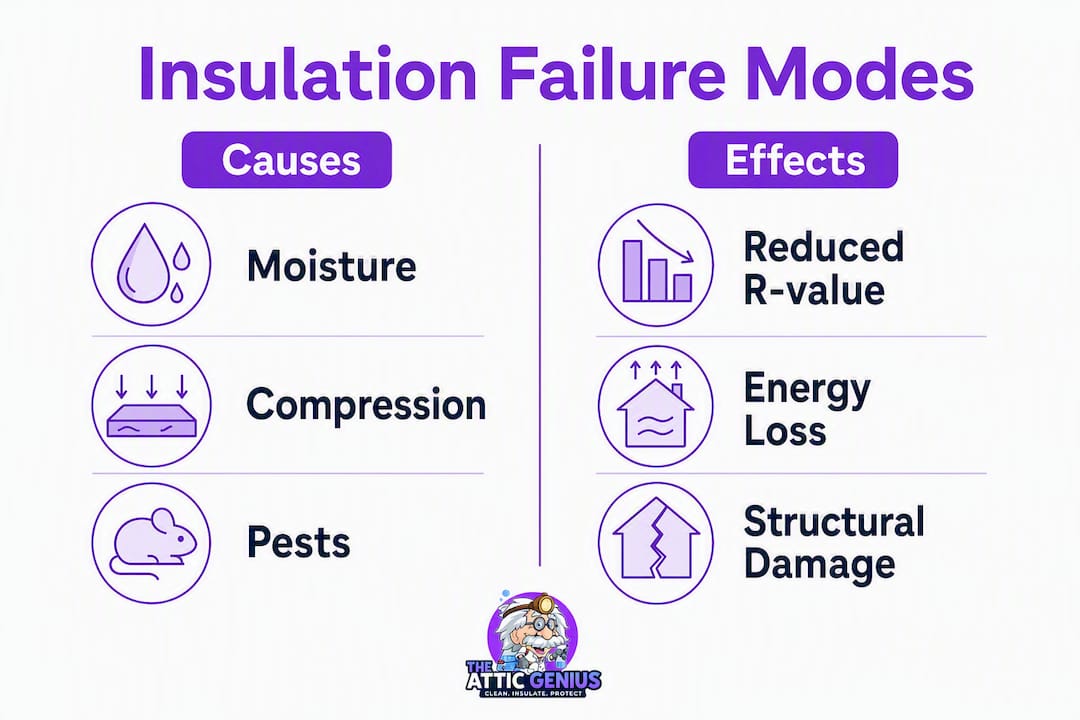
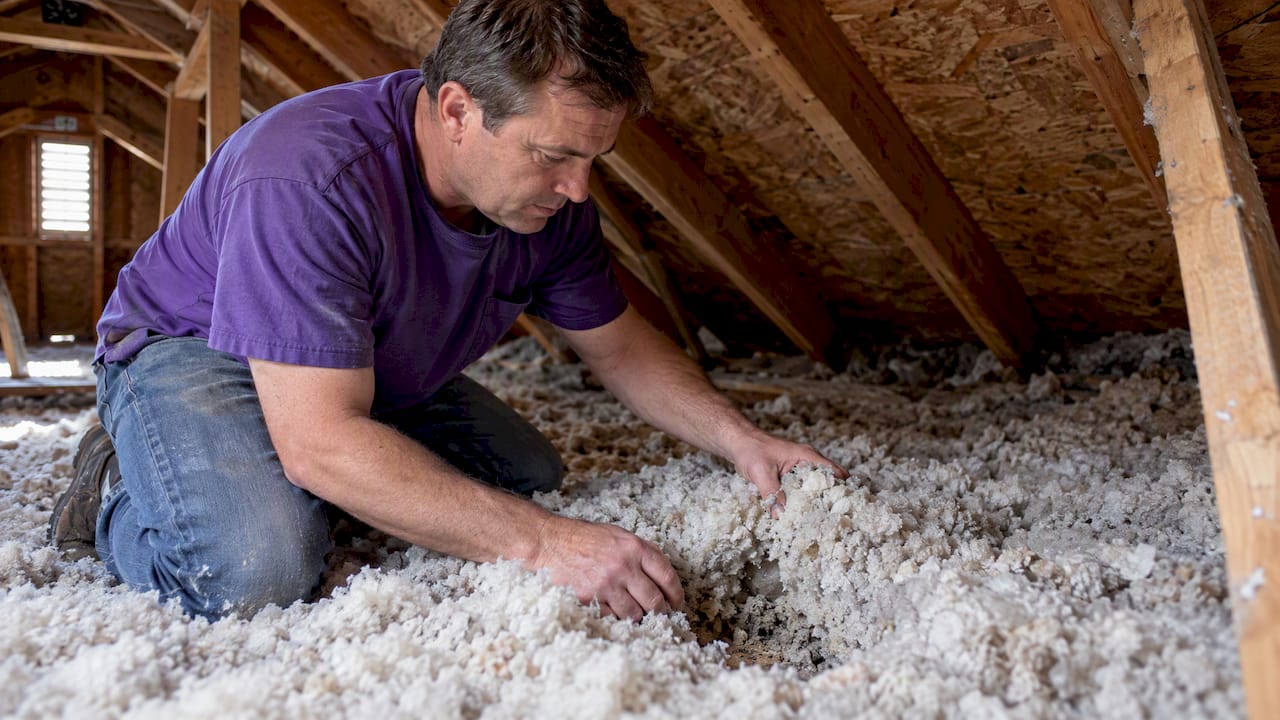
Settling is the most straightforward example. A reduction from 12 inches to 8 inches of fiberglass cuts insulating power by roughly one-third, because R-value scales directly with thickness. The fibers themselves haven’t changed; there are simply fewer of them doing the work.
Moisture is more severe. Water conducts heat roughly 25 times better than still air. When insulation becomes saturated, its R-value approaches zero. Worse, the damage is often permanent: compressed fibers don’t spring back after drying, and the moisture creates conditions for mold within 24–48 hours.
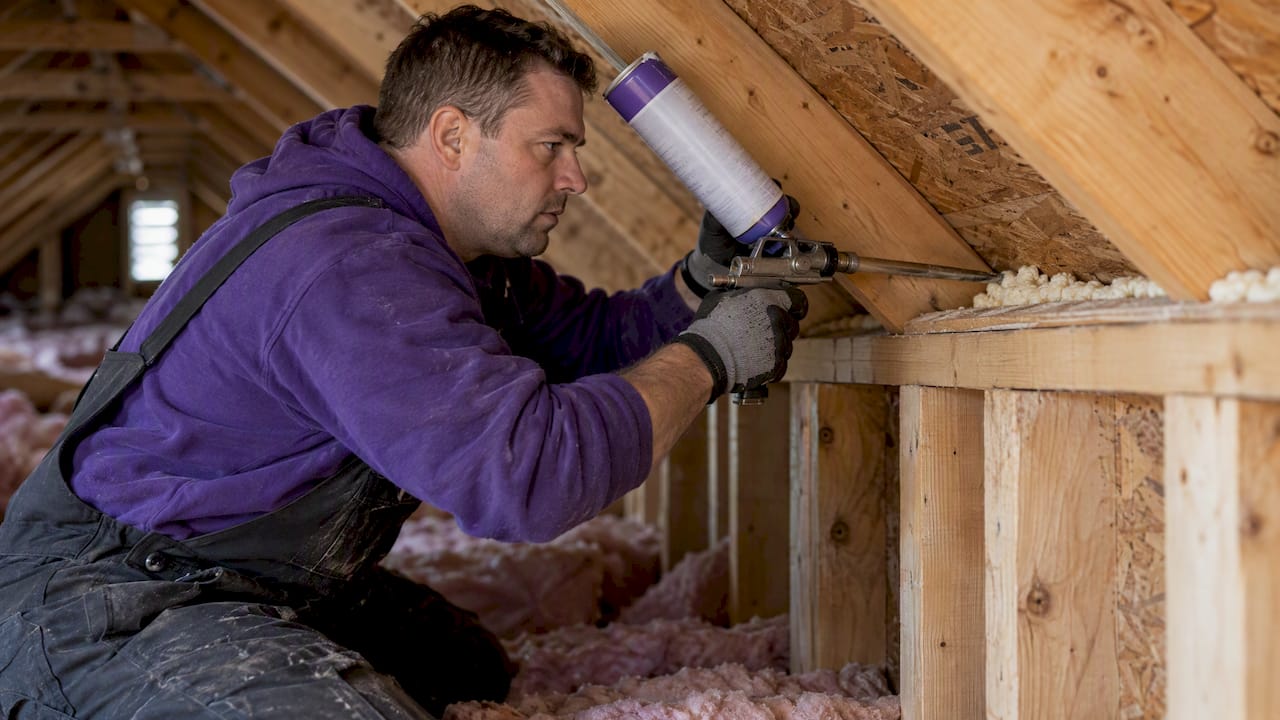
Convective bypass is the failure mode most homeowners miss entirely. A gap the width of a pencil around a recessed light can allow warm air to short-circuit several feet of perfectly intact insulation. Fixing that gap with canned foam costs almost nothing compared to the heat it was losing.
Ice dams on a roof edge are a visible symptom of this problem. Heat escaping through the attic deck melts snow near the ridge; that water runs down and refreezes at the cold eave overhang. The dam itself isn’t the root cause; the attic heat loss driving it is.
How to tell if your insulation is no longer doing its job
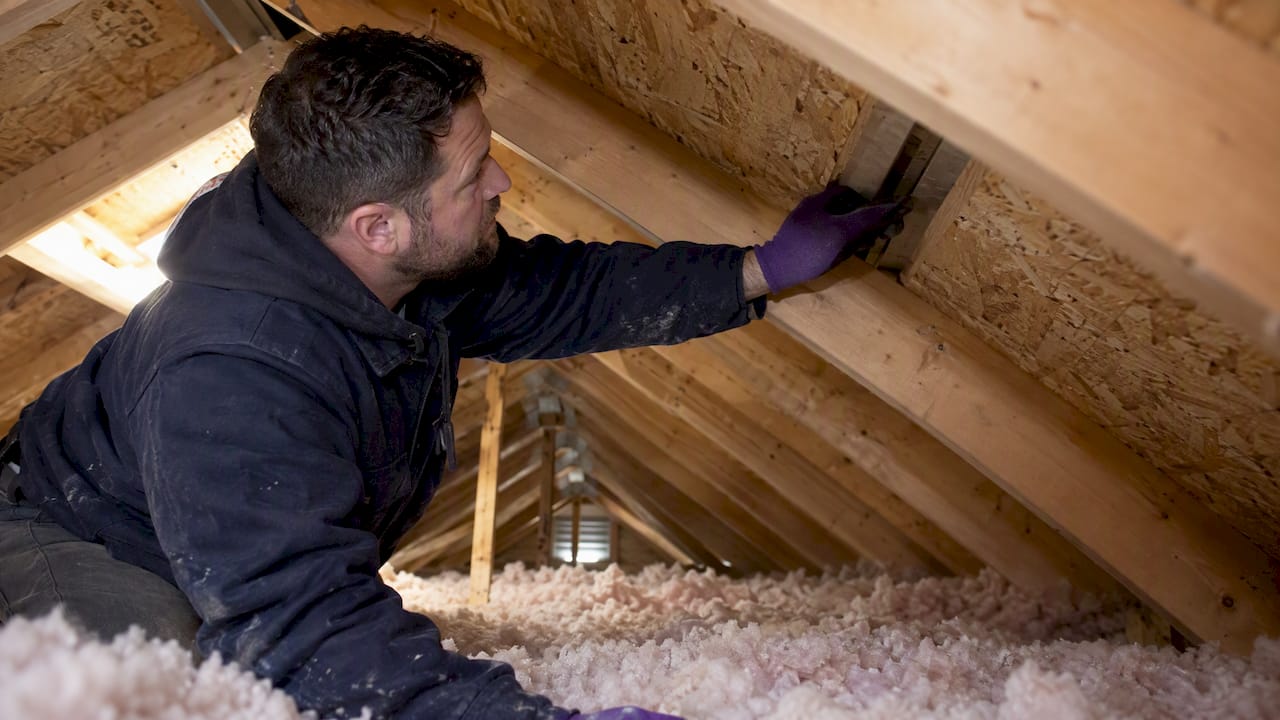
A basic visual inspection takes about 20 minutes and can tell you a lot. Before you go up, wear an N95 respirator, safety glasses, and gloves. If your home was built before 1980 and has vermiculite insulation in the attic, do not disturb it. Vermiculite from certain mines may contain asbestos, and any suspected asbestos-containing material requires a certified inspector, not a DIY check.
For everything else, look for:
- Visible joists. If you can see the tops of the floor joists, the insulation has settled below the minimum recommended depth.
- Compressed or flattened batts. Batts that look thin, matted, or crushed have lost a significant portion of their R-value.
- Water stains or wet spots. Yellow or brown staining indicates past or active moisture intrusion.
- Musty odor. A persistent musty smell in the attic often signals mold growth, even when it isn’t visible yet.
- Pest droppings or nesting material. Rodent activity contaminates insulation and creates a health hazard that requires professional pest cleanup before any insulation work.
- Dark dust trails. Streaks of gray or black dust on insulation near gaps indicate air leaking through bypasses, carrying particulates with it.
- Uneven room temperatures or rising energy bills. If one room is always colder in winter or your heating bills have climbed without a clear explanation, degraded insulation is a likely contributor.
When you find wet insulation, visible mold, or rodent contamination, stop. Topping up over contaminated material traps the problem underneath. Removal and remediation come first. For a broader look at what to watch for, signs of attic insulation failure are worth reviewing before you schedule anything.
Typical service life by insulation material
Age alone doesn’t determine when insulation fails. Installation quality, moisture exposure, pest pressure, and mechanical disturbance matter more than the calendar. That said, different materials have different failure profiles.
| Material | Typical Lifespan | Primary Failure Modes |
|---|---|---|
| Fiberglass batts | 20–25 years | Settling, compression, moisture absorption, pest damage |
| Blown fiberglass | 20–25 years | Settling reduces depth and R-value proportionally |
| Cellulose (loose-fill) | 20–25 years | Settling, moisture retention, fire retardant degradation |
| Mineral wool (rock/glass wool) | 40+ years | Moisture in extreme cases; highly resistant to pests and fire |
| Spray foam (open/closed-cell) | 20–25+ years | Shrinkage from improper mixing, VOC off-gassing in older formulas, cracking |
| Rigid foam boards | 25–30+ years | Blowing agent loss reduces R-value over time; physical damage at edges |
Most homes see effective material lifespan reduced to 20–25 years due to moisture, pests, and attic disturbance, except for mineral wool, which can last 40 years or more if dry and undisturbed.
How to inspect, measure, and decide between topping up and replacing
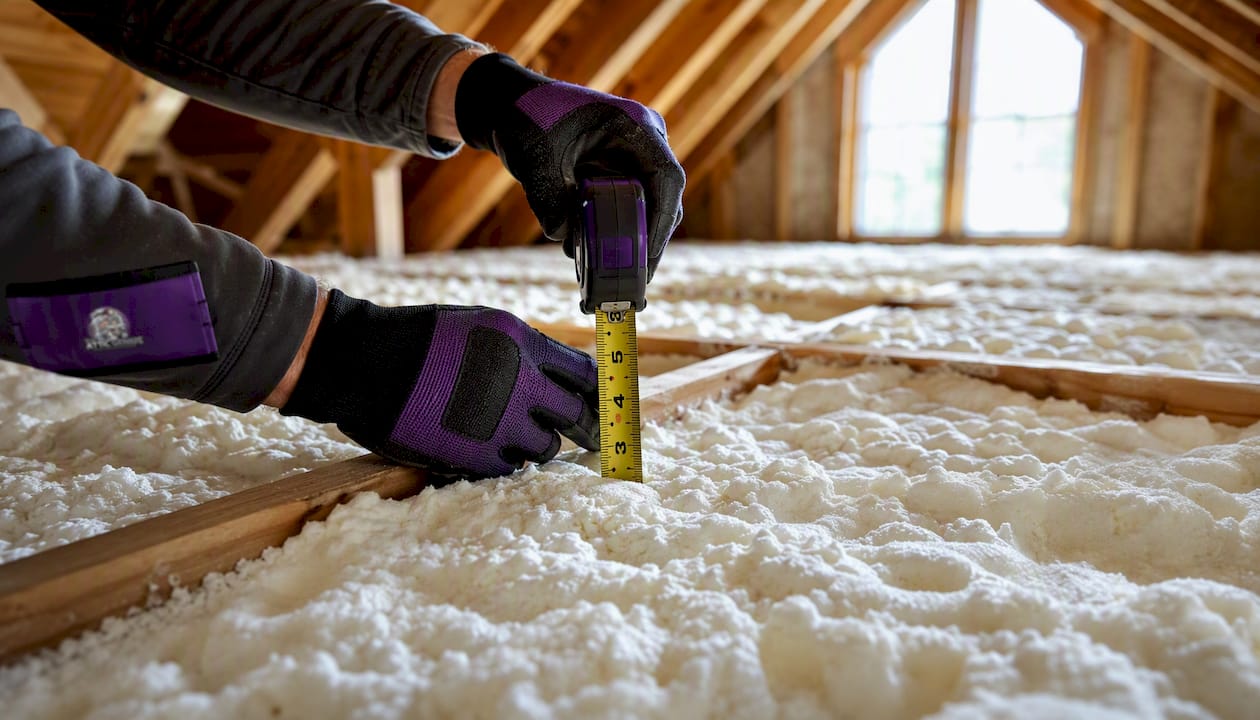
Start with a tape measure. Push it straight down to the attic floor in five or six spots across the attic and record the depth. Cross-reference those depths against the R-value per inch for your material type (roughly R-3.2 per inch for blown fiberglass, R-3.7 for cellulose). If you’re consistently below R-30 and the material is dry and clean, a top-up is usually the right call.
The decision shifts when contamination or moisture is present. A useful rule of thumb: if the insulation is dry, clean, and has lost less than 15–20% of its original R-value, topping up is reasonable. If it’s wet, moldy, pest-contaminated, or fire/soot-damaged, removal comes first.
Settling and gaps can cut expected energy savings significantly, which is why addressing air bypasses before adding insulation matters. Air sealing services paired with a top-up consistently outperform insulation alone on both comfort and energy bills. For a full walkthrough of the replacement process, the attic insulation full replacement guide covers removal, disposal, and reinstallation in detail.
Cost drivers include attic access difficulty, the volume of material to remove, moisture remediation needs, and whether air sealing is included. Get an itemized estimate so you can see exactly what you’re paying for.
How to keep insulation working well over time
Most insulation failures are preventable. A few maintenance habits catch problems before they become expensive.
- Check attic ventilation every spring. Blocked soffit vents trap moisture and heat, accelerating insulation degradation. Clear debris and confirm airflow from soffit to ridge.
- Inspect soffit baffles. Baffles keep blown-in insulation from blocking soffit vents. If they’re missing or crushed, attic ventilation suffers and moisture builds up near the eaves.
- Seal the attic hatch. The hatch is one of the largest single air bypasses in most homes. Weatherstripping and a rigid foam cover on the attic side make a measurable difference.
- Don’t store heavy items on attic insulation. Boxes and bins compress batts permanently. Use raised platforms or keep storage to the perimeter where joists can bear the load.
- Fix roof leaks immediately. A slow drip can saturate a large area of insulation before you notice it. After any storm, do a quick visual check of the attic deck for wet spots or staining.
- Seal pest entry points. Gaps around pipes, wires, and eave vents are common rodent entry points. Sealing them with steel wool and caulk or foam prevents the contamination that forces full removal.
Improving energy efficiency across the building envelope compounds the gains from good insulation maintenance. Doors, windows, and attic bypasses all contribute to the same heat loss problem.
When it’s time to hire a professional
Some attic conditions are not safe for a homeowner to assess alone. Call a pro when you find:
- Visible mold covering more than a small area
- Standing water or soaked insulation
- Active rodent infestation or heavy droppings throughout the attic
- Suspected vermiculite or asbestos-containing materials
- Major roof damage or multiple active leaks
- Any situation where you’re not comfortable being in the attic
A competent contractor should provide a written inspection report with moisture readings, identify air bypass locations, and give you an itemized estimate that separates removal, disposal, air sealing, and new insulation costs. Thermal imaging is a useful add-on when bypasses are hard to locate visually. Ask for proof of insurance, references, a written warranty, and whether same-day inspections are available. Clear remediation steps and a follow-up check after the work is done are signs of a contractor who stands behind the job.
Key Takeaways
Old insulation fails primarily through moisture, compression, and pest contamination, and addressing those root causes before adding new material is what separates a lasting fix from a wasted investment.
| Point | Details |
|---|---|
| Moisture and pests require removal | Wet, moldy, or rodent-contaminated insulation must be removed before any new material goes in. |
| Settled but clean insulation can be topped up | Dry, uncontaminated insulation that has lost less than 15–20% R-value is a candidate for a straightforward top-up. |
| Air sealing is usually the best first move | Sealing bypasses at recessed lights, hatches, and chases often delivers more comfort than adding R-value alone. |
| Measure depth before spending | A tape measure in five or six attic spots tells you whether you have a depth problem, a contamination problem, or both. |
| The Attic Genius for Chicagoland inspections | With 25+ years of combined experience and 400+ five-star reviews, The Attic Genius offers same-day inspections and written warranties across greater Chicagoland and parts of Wisconsin. |
What the field actually teaches you about insulation
The conventional advice is to add more insulation when your energy bills go up. That’s often the wrong starting point.
The most common pattern in attics that have been serviced for years is this: the insulation looks fine from the hatch. Depth seems adequate. But once you’re actually in the space, you find a plumbing chase that was never sealed, recessed lights with no air barrier, and a bathroom exhaust fan venting directly into the attic instead of outside. The insulation above those bypasses is dark gray from years of air-filtered particulates. That’s not a depth problem. That’s an air sealing problem, and no amount of blown-in cellulose fixes it.
The other thing that surprises homeowners: disturbed insulation. HVAC techs, electricians, and plumbers all work in attics, and they rarely put insulation back the way they found it. A service call two years ago may have left a batt folded back, a gap around a new wire penetration, or a soffit baffle knocked loose. None of that shows up on an energy audit unless someone physically walks the attic.
The practical order of priorities is: find any moisture or pest source and eliminate it, then seal the major air bypasses, then evaluate whether topping up or replacing makes sense. Skipping to step three is how homeowners spend money and still feel drafts in February.
The Attic Genius can assess your attic and fix what’s actually wrong
If your energy bills have climbed, your home feels drafty in winter, or you haven’t had your attic checked in the last decade, a professional inspection is the fastest way to know exactly what you’re dealing with.

The Attic Genius handles the full scope: attic inspections with moisture readings, air sealing, insulation top-ups and full removal, mold remediation, and pest waste cleanup. The team brings 25+ years of combined experience and has earned 400+ combined five-star reviews from homeowners across greater Chicagoland and parts of Wisconsin. Written warranties and same-day inspections are available. No guesswork about what needs to happen or why.
Request a free inspection and get a clear, itemized picture of your attic’s condition before spending a dollar on materials.
Useful sources
- Deterioration of Retrofit Insulation Performance: Phase 1 Final Report — Laboratory and simulation data on thermal resistance decline in foamed plastic and other insulation materials over time.
- How Long Does Insulation Last? — Practical lifespan guidance and the case for prioritizing air sealing alongside insulation upgrades.
- 7 Signs Your Attic Insulation Is Failing — Homeowner-facing checklist of visible failure signs, including vermiculite and health risk notes.
- U.S. Department of Energy — Insulation — Official R-value recommendations by climate zone and guidance on when to remove vs. add insulation.
- EPA — Mold and Moisture — Primary source for the 24–48 hour mold growth window and remediation guidance.
This article is general educational information, not professional advice. Confirm current building codes, R-value requirements, and contractor credentials with your local utility, the DOE, or a licensed insulation professional before making decisions.