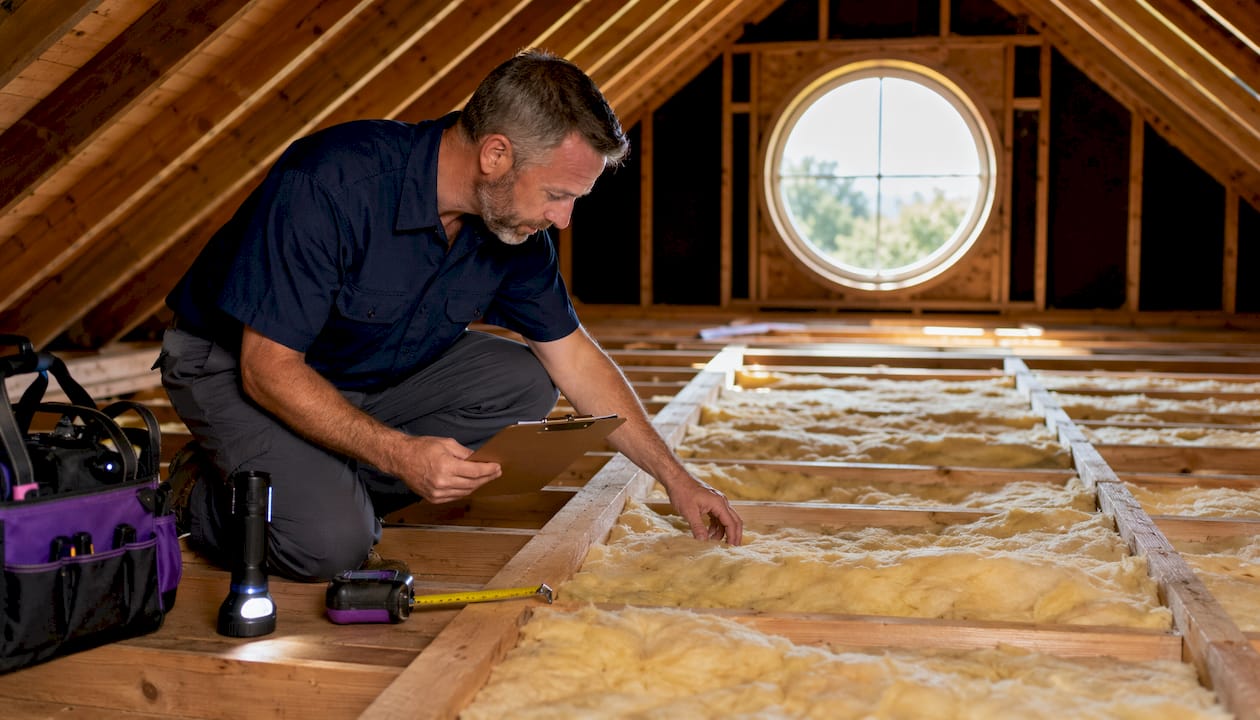
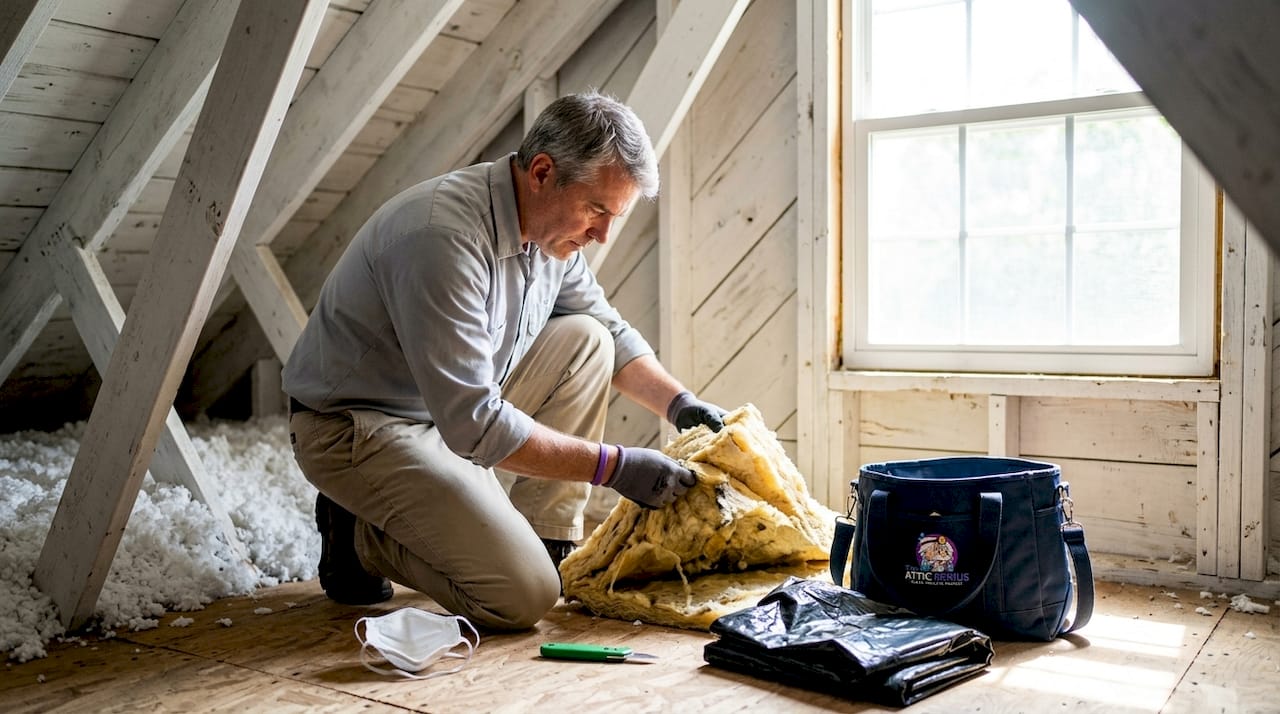
Attic insulation after pest infestation is a health and safety issue, not just a home improvement project. Rodent urine, droppings, and nesting debris saturate insulation deeply, carrying bacteria, allergens, and pathogens that circulate through your entire home. Spot cleaning does not fix this. Professional remediation standards call for full removal, disinfection, and replacement to restore both indoor air quality and thermal performance. This guide walks you through every step, from assessing the damage to preventing the next infestation.
How do pests damage attic insulation?
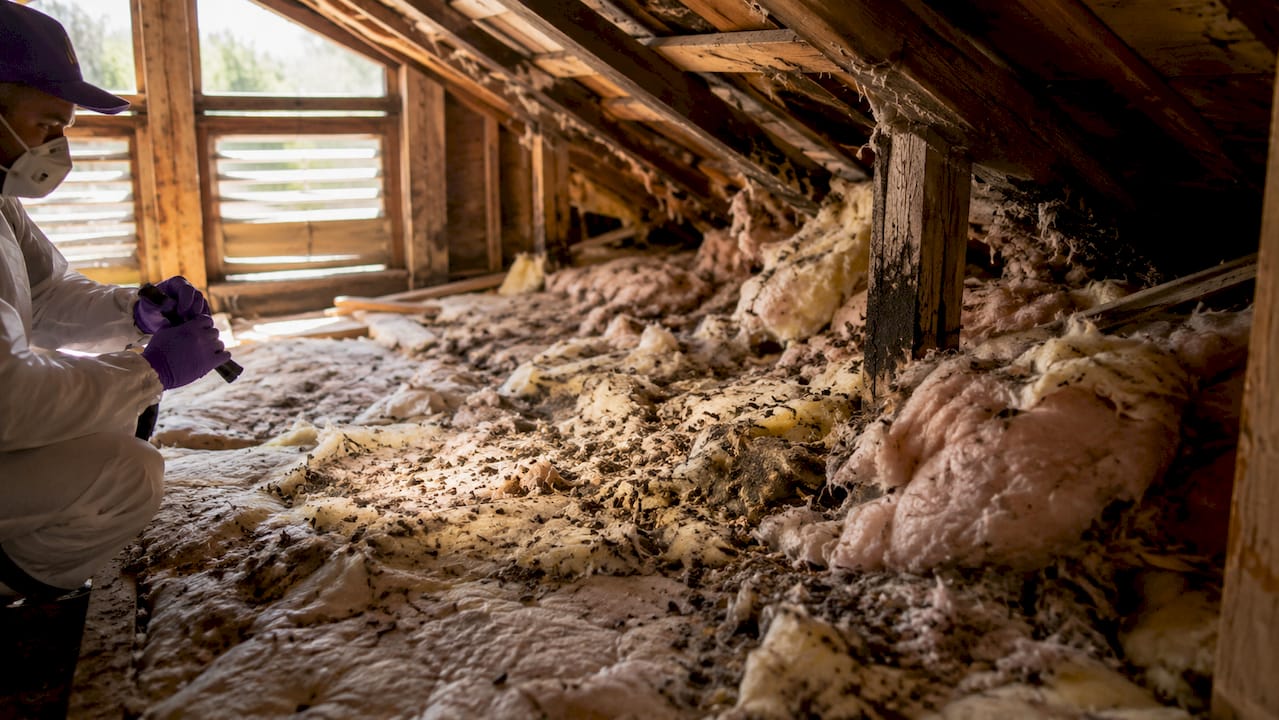
Pest contamination in attic insulation is almost always worse than it looks. Rodents shred fiberglass batts and blown-in cellulose to build nests, compressing surrounding material in the process. Compressed insulation loses its R-value, meaning it no longer slows heat transfer the way it should. The physical damage alone can reduce your attic’s thermal performance significantly.
The chemical damage is harder to see and far more dangerous. Insulation acts like a sponge, absorbing urine fats and proteins that cannot be chemically extracted. That contamination cannot be sprayed away. It must be physically removed.
The health risk extends beyond the attic itself. The stack effect draws contaminated air from the attic through gaps in your ceiling into living spaces below. Every time your HVAC system runs, it pulls that air through your home. Occupants breathe allergens and pathogens without ever setting foot in the attic.
Here is what pest activity typically does to attic insulation:
- Shredding and nesting: Rodents tear insulation apart to build nests, leaving large voids and uneven coverage.
- Compression: Repeated movement along the same paths flattens insulation, reducing its effective R-value.
- Urine saturation: Urine soaks deep into insulation layers, creating a reservoir of bacteria invisible to the naked eye.
- Fecal contamination: Droppings scatter throughout the insulation field, not just in visible nesting areas.
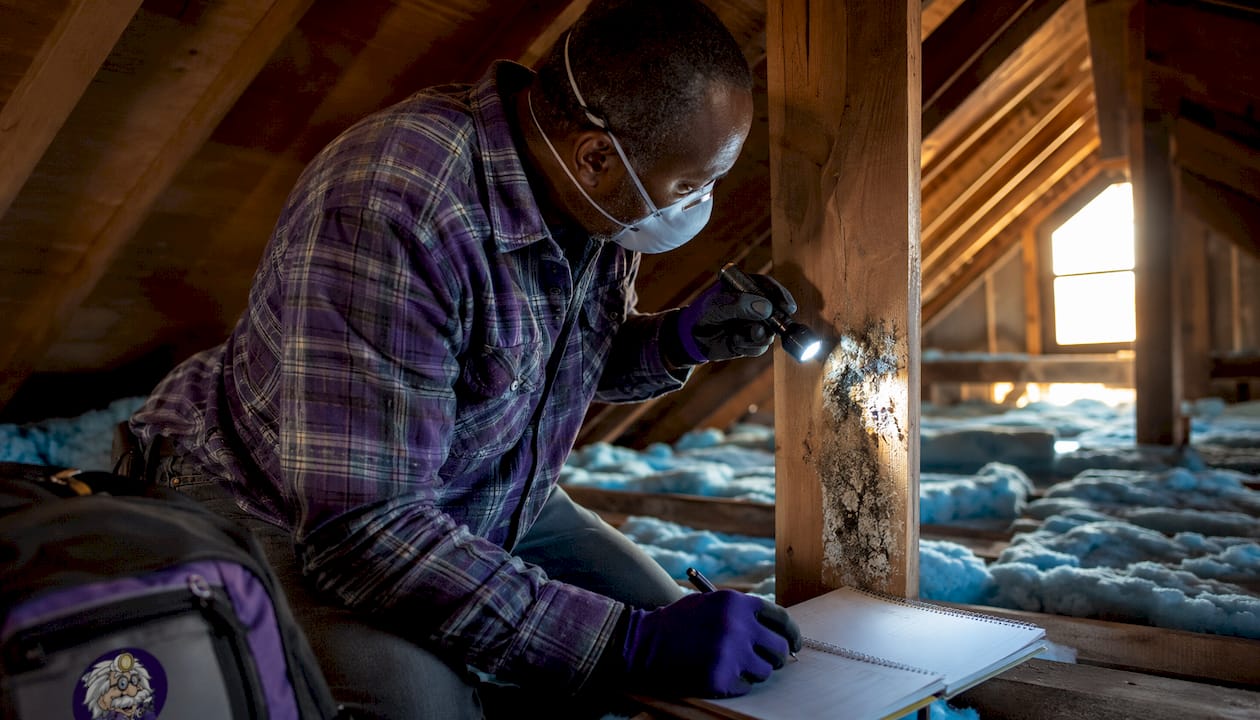
- Moisture damage: Urine introduces moisture that can trigger mold growth in the insulation and on attic framing.
Pro Tip: If you can smell a persistent ammonia or musky odor in your upper floors, the stack effect is already pulling attic contaminants into your living space. That odor is a sign the contamination has spread well beyond the nest site.
Exposure to rodent-contaminated insulation can cause serious diseases, including hantavirus pulmonary syndrome, which carries a high fatality rate. This is not a cleanup job to take lightly.
When should you replace insulation after a pest infestation?
Full removal is the right call in most pest infestation scenarios. Partial cleanup rarely resolves the problem because spot cleaning misses hidden contamination and leaves behind a reservoir of dangerous, invisible bacteria. Knowing when to act decisively saves you from repeating the process.
Replace your attic insulation when any of the following conditions apply:
- Widespread contamination. Droppings or urine staining appear across multiple areas of the attic floor, not just one corner.
- Persistent odors. A musky or ammonia smell that does not clear after ventilation indicates deep saturation.
- Embedded nesting materials. Shredded insulation, fabric, and debris woven into the insulation field cannot be separated and cleaned.
- Moisture damage. Urine-soaked insulation that has become wet or clumped has likely triggered mold growth beneath the surface.
- Significant compression. Insulation that has been flattened by rodent traffic no longer meets its rated R-value and should be replaced regardless of contamination.
- Visible structural damage. Chewed wiring, damaged vapor barriers, or gnawed wood indicate a heavy infestation with extensive contamination.
Professional insulation removal is necessary when contamination is widespread, nesting material is embedded deep, odors persist, or insulation has been significantly compressed or moisture-damaged. A professional inspection gives you an accurate picture of how far the damage extends. What looks like a localized problem is often much broader once the insulation is pulled back.
What are the steps for safe attic insulation removal and replacement?
The pest waste attic cleanup process follows a specific sequence. Skipping steps or changing the order creates health risks and leads to reinfestation. Here is the full remediation sequence used by professional attic contractors.
-
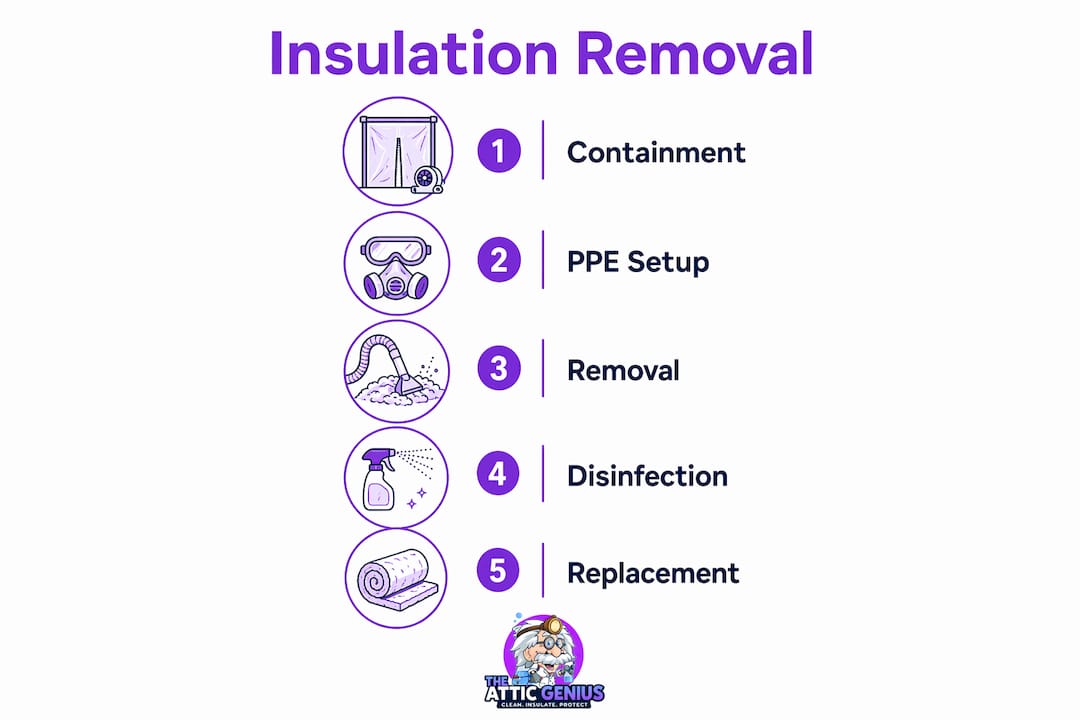
Set up containment and PPE. Before disturbing any material, seal the attic access point with plastic sheeting to prevent contaminated dust from entering living areas. Wear an N95 or P100 respirator, disposable coveralls, gloves, and eye protection. Effective remediation requires negative air pressure containment and EPA-registered disinfectants to neutralize pathogens before disturbance.
-
Apply disinfectant before removal. Spray all contaminated surfaces with an EPA-registered disinfectant and allow proper dwell time. This step wets the material and reduces aerosolization of dried particles during removal.
-
Remove and bag contaminated insulation. Use a commercial insulation vacuum or manual removal to extract all contaminated material. Double-bag waste in heavy-duty plastic bags and dispose of it according to local regulations.
-
Clean and treat attic surfaces. After insulation is out, scrub all wood surfaces, joists, and sheathing with disinfectant. Address any mold found on framing at this stage. The Attic Genius also handles attic mold remediation as part of a full restoration.
-
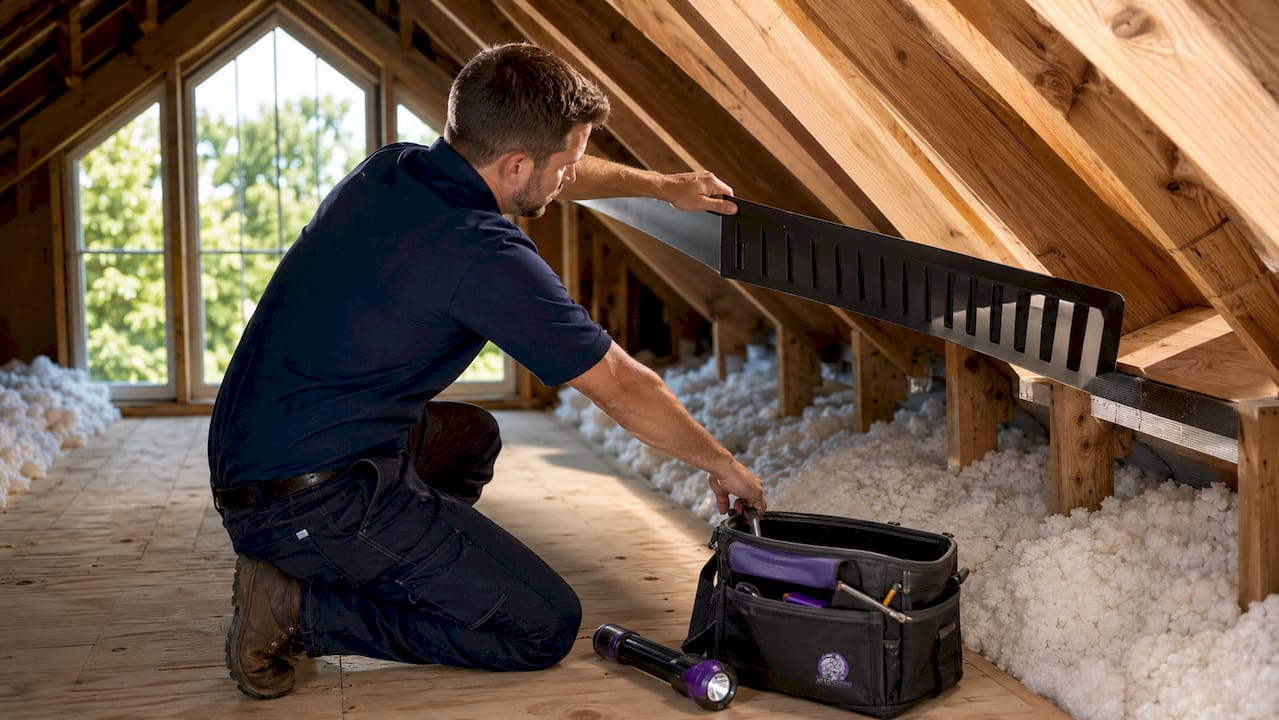
Seal all entry points. Rodent exclusion via sealing small entry points before insulation replacement is non-negotiable. Rodents need only a dime-sized gap to re-enter. Seal roofline gaps, pipe penetrations, vents, and any opening larger than a quarter inch with steel wool, hardware cloth, or caulk rated for exterior use.
-
Install new insulation. Once the attic is clean, dry, and sealed, install new insulation to the correct R-value for your climate zone. In the Chicagoland area, attic insulation typically requires R-49 to R-60 for optimal energy performance.
Pro Tip: Air seal the attic floor before installing new insulation. Gaps around light fixtures, plumbing penetrations, and top plates are the same pathways that let pest odors into your home. Sealing them now improves both air quality and energy efficiency.
| Remediation Step | Purpose |
|---|---|
| Containment and PPE setup | Prevents contaminated particles from entering living areas |
| Pre-removal disinfection | Reduces aerosolization of dried pathogens |
| Full insulation removal | Eliminates contamination that cannot be chemically extracted |
| Surface cleaning and mold treatment | Removes residual bacteria and addresses secondary damage |
| Entry point sealing | Prevents reinfestation before new insulation is installed |
| New insulation installation | Restores R-value and thermal performance |
Common mistakes homeowners make after a pest infestation
Most homeowner mistakes come from underestimating how far contamination has spread. The instinct is to clean what you can see and move on. That approach almost always fails.
- Skipping PPE during cleanup. Disturbing dried rodent waste without proper PPE launches infectious particles into the breathing zone. Even a brief exposure without a respirator carries real risk.
- Replacing insulation before sealing entry points. New insulation installed in an unsealed attic will be contaminated again within weeks. Exclusion must come before replacement, not after.
- Relying on deodorizers. Sprays and foggers mask odors temporarily. They do not neutralize bacteria embedded in insulation or wood.
- Attempting spot cleaning. Spraying disinfectant on insulation does not guarantee decontamination because insulation absorbs urine and bacteria deeply. Only total removal is effective.
- Skipping a professional inspection. Homeowners consistently underestimate the extent of contamination. A professional assessment reveals damage that is invisible from the attic hatch.
“The hidden danger of rodent contamination is not what you can see. It is what the insulation has absorbed over months or years of activity. By the time you notice the smell or the droppings, the contamination is already deep and widespread. Cleaning the surface is like wiping the top of a wet sponge and calling it dry.”
Reviewing common DIY insulation mistakes before attempting any attic work can save you from costly errors and genuine health risks.
How do you prevent future pest infestations in your attic?
Prevention after remediation protects your investment in new insulation. Combining entry point sealing with insulation replacement significantly reduces reinfestation likelihood. The goal is to make your attic structurally inaccessible to pests while maintaining proper ventilation and moisture control.
- Seal the roofline thoroughly. Inspect soffits, fascia boards, ridge vents, and gable vents for gaps. Use galvanized hardware cloth over vent openings to block entry while preserving airflow.
- Check pipe and wire penetrations. Every utility line that enters the attic is a potential entry point. Seal around them with fire-rated caulk or expanding foam rated for pest exclusion.
- Schedule annual attic inspections. Early detection of new pest activity prevents a minor problem from becoming a full remediation job. Look for fresh droppings, chewed materials, or new nesting debris.
- Control moisture. Pests are attracted to moisture. Proper attic ventilation keeps humidity low and makes the space less hospitable to rodents and insects alike.
- Consider pest-resistant insulation materials. Certain spray foam and mineral wool products are less attractive to rodents than fiberglass or cellulose because they offer no nesting value.
Pro Tip: Walk your roofline from the outside at least once a year, ideally in late summer before rodents start seeking winter shelter. A gap you can fit your pinky finger into is large enough for a mouse.
Understanding attic health hazards beyond pest damage, including moisture and mold, gives you a complete picture of what to monitor after remediation.
Key Takeaways
Replacing attic insulation after pest infestation requires full removal, EPA-registered disinfection, entry point sealing, and proper reinstallation to restore health and energy performance.
| Point | Details |
|---|---|
| Full removal is required | Insulation absorbs urine and bacteria too deeply for spot cleaning to work. |
| Contamination spreads beyond the attic | The stack effect pulls pathogens into living spaces through ceiling gaps. |
| Sequence matters | Seal entry points before installing new insulation or reinfestation is likely. |
| PPE is non-negotiable | Disturbing dry rodent waste without a respirator creates acute health risks. |
| Prevention protects your investment | Annual inspections and sealed roofline gaps stop infestations before they start. |
What I’ve learned from years of attic remediation work
The homeowners who call us after a pest infestation almost always waited longer than they should have. They noticed an odor, assumed it would fade, and discovered months later that the contamination had spread across the entire attic floor. I understand the hesitation. Attic remediation is not a small project, and the cost feels significant when the problem seems contained.
Here is what I know from experience: the cost of a partial fix is always higher than the cost of doing it right the first time. A homeowner who deodorizes and re-insulates without sealing entry points will be back in the same situation within a season. One who cleans without removing contaminated material will keep dealing with odors and air quality issues indefinitely.
The projects that go well share one thing in common. The homeowner committed to the full sequence: exclusion, removal, disinfection, and replacement. Successful attic remediation requires wildlife exclusion, structural air sealing, and thorough disinfection for long-term health and energy efficiency. That is not a sales pitch. It is the only approach that actually works. Shortcuts in attic remediation do not save money. They defer the full cost while adding health risk.
— Jim
The Attic Genius can restore your attic after pest damage
The Attic Genius handles every stage of attic pest remediation for homeowners across Chicagoland and the Northwest Suburbs. That means professional inspection, safe removal of contaminated insulation, EPA-registered disinfection, entry point sealing, and installation of new insulation with a written warranty.
If you are seeing signs of pest activity or noticing odors from your upper floors, the signs your attic needs attention are worth taking seriously. The Attic Genius offers same-day inspections and upfront pricing, so you know exactly what the job involves before any work begins. Our attic insulation services and air sealing services are designed to work together, giving you a fully restored, pest-resistant attic that performs the way it should.
FAQ
What happens to attic insulation after a rodent infestation?
Rodents shred and compress insulation for nesting, reducing its R-value. Urine and droppings saturate the material with bacteria and allergens that cannot be removed by cleaning alone.
Can you just clean attic insulation instead of replacing it?
No. Spraying disinfectant on insulation does not decontaminate it because urine and bacteria absorb too deeply into the material. Full removal is the only effective solution.
Is pest-contaminated attic insulation dangerous to your health?
Yes. The stack effect draws pathogens from contaminated insulation into living areas. Exposure can cause serious respiratory illness, including hantavirus pulmonary syndrome.
How long does attic insulation remediation take?
Most professional attic remediation projects take one to two days, depending on attic size and contamination severity. Entry point sealing and insulation installation are typically completed in the same visit.
Do you need to seal entry points before replacing attic insulation?
Yes. Installing new insulation before sealing entry points guarantees reinfestation. Exclusion must be completed first to protect the new material.