An attic air barrier is a continuous assembly that seals every hole, gap, and penetration in the ceiling plane to stop uncontrolled air movement between your living space and the attic. Most homeowners focus on insulation R-values and never address air leakage, yet convective heat loss from air leaks accounts for 30–50% of total heat loss in older homes. Insulation cannot fix that problem, no matter how thick it is. The Attic Genius sees this gap every day across Chicagoland: homes with plenty of insulation but no real air barrier, losing conditioned air and money year-round.
What is an attic air barrier and how does it differ from insulation?
An attic air barrier is the physical layer that blocks air from moving through the ceiling assembly. Insulation slows heat transfer by conduction. An air barrier stops heat loss by convection, which is the movement of warm air through gaps and cracks. These are two separate problems that require two separate solutions.
Think of it this way: insulation is like a wool sweater, and an air barrier is like a windbreaker. The sweater keeps you warm in still air, but wind cuts right through it. The windbreaker stops the wind. Air sealing and insulation are two halves of a whole. Tackling only one limits how comfortable your home can actually get.
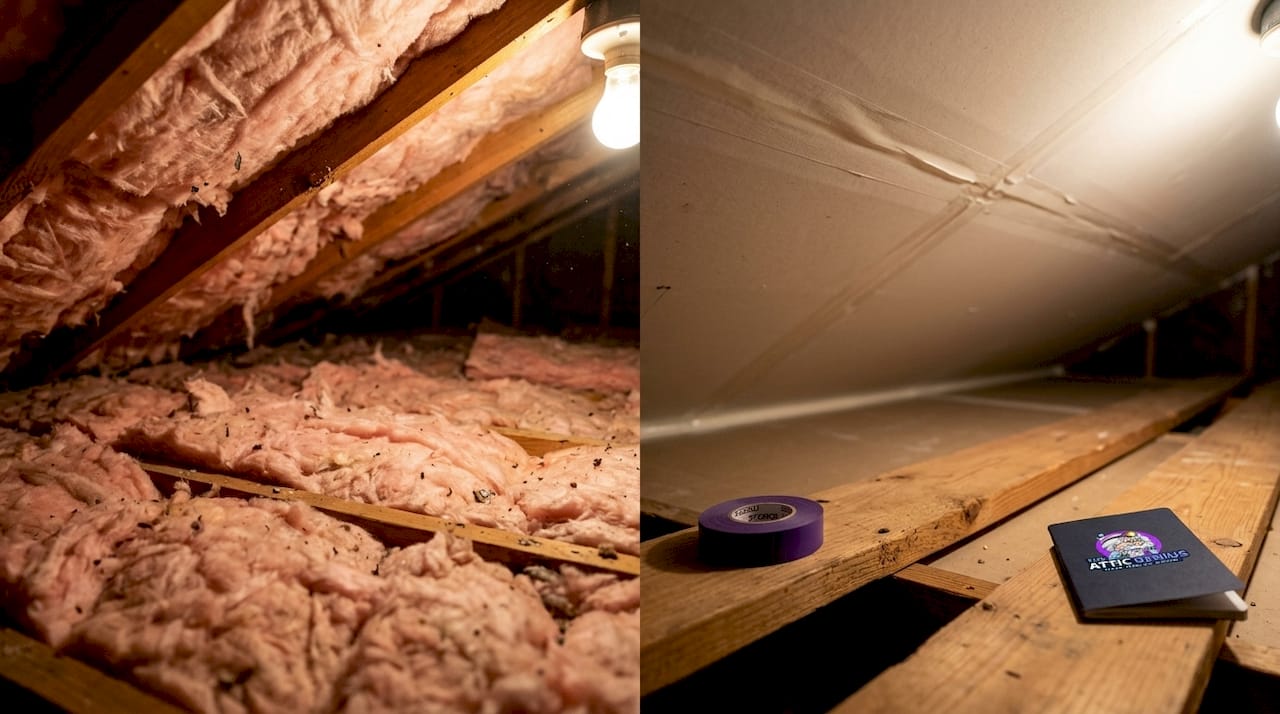
The building science community, including the U.S. Department of Energy and ENERGY STAR, recognizes air sealing as a prerequisite for effective insulation. Without a continuous air barrier, every electrical box, plumbing chase, and recessed light becomes a direct path for conditioned air to escape into the attic. The result is a home that never quite reaches the temperature on your thermostat, with an HVAC system that runs longer than it should.
Pro Tip: If your upstairs rooms feel drafty in winter even with adequate insulation, air leakage is almost certainly the cause. Air sealing should be your first call, not more insulation.
Homeowners who combine air sealing with upgraded insulation save around 15% on heating and cooling costs annually. That number reflects the combined effect of stopping both convective and conductive heat loss.
What materials and methods create an effective attic air barrier?
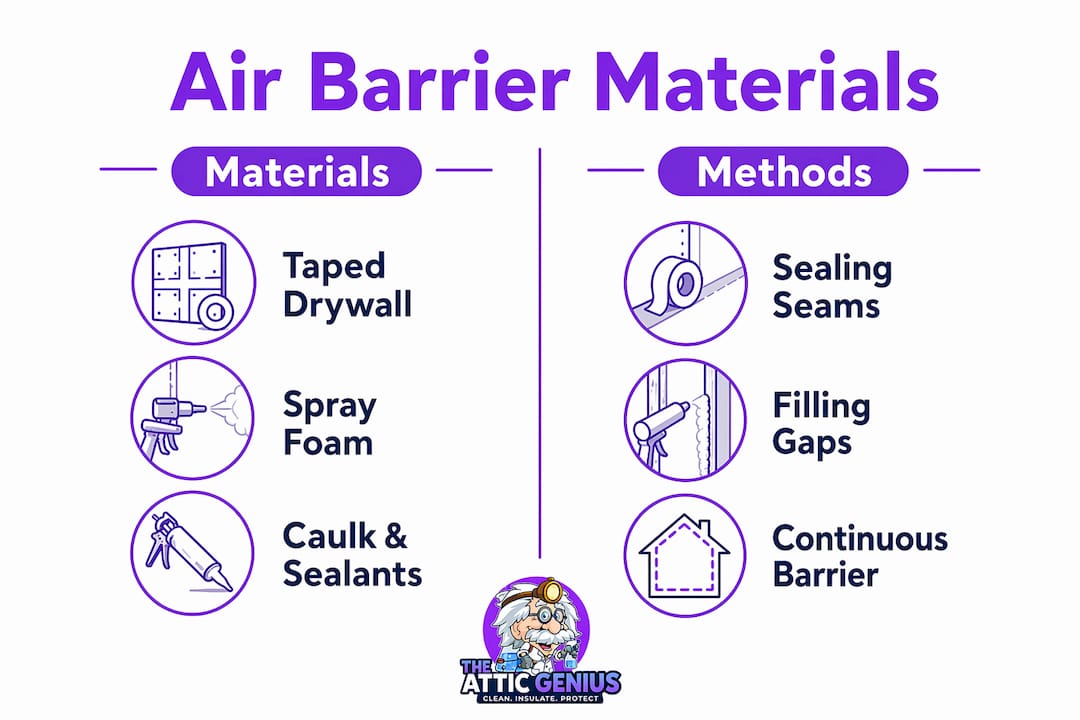
The most common materials used for attic air barriers are taped drywall, canned spray foam, two-component spray foam, caulk, and rigid foam board. Each material suits a different part of the attic assembly.
Taped drywall (the Airtight Drywall Approach)
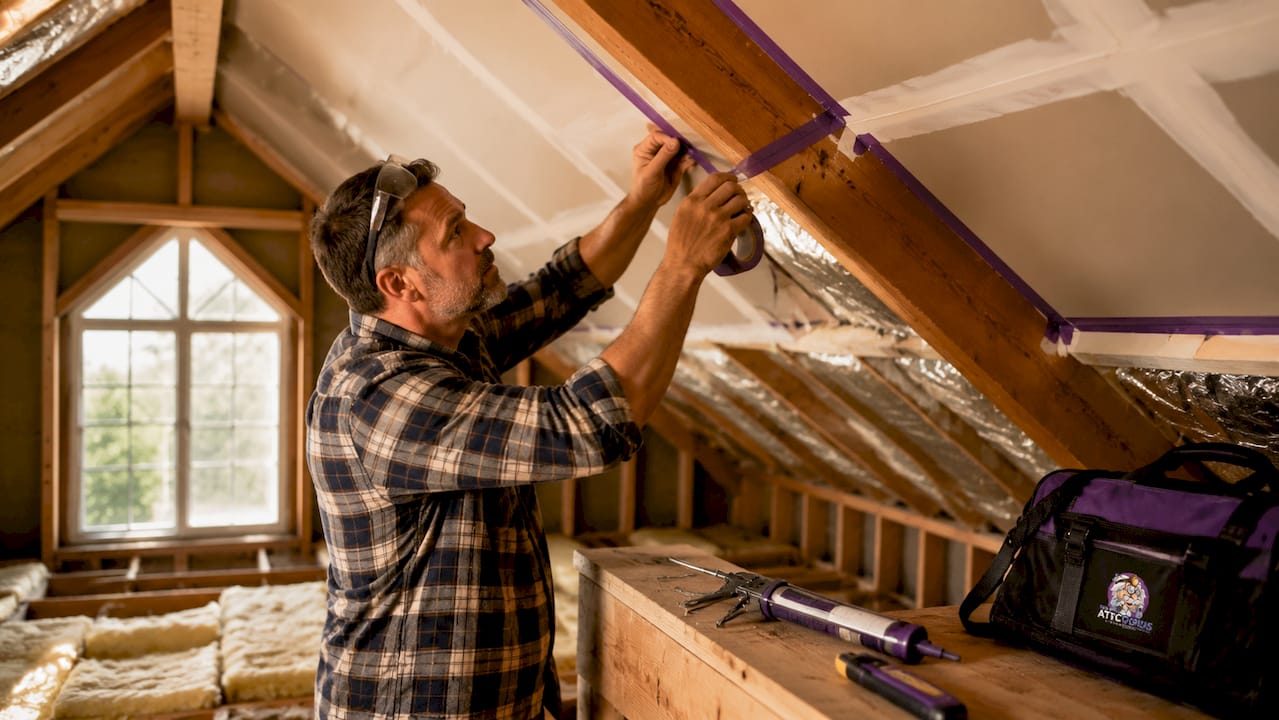
Gypsum board functions as an air barrier when every seam is taped, mudded, and sealed continuously around penetrations. This method is called the Airtight Drywall Approach, or ADA. It works well in new construction where the ceiling drywall can be detailed before insulation goes in. In existing homes, it requires pulling back insulation to access and seal the ceiling plane.
Spray foam for complex geometries
Closed-cell spray foam delivers roughly R-6.5 per inch and simultaneously creates an air barrier. That dual function makes it the top choice for complex attic geometries: around chimney chases, dropped soffits, and attic knee walls where continuity is hard to achieve with other materials. Open-cell spray foam also air-seals effectively and costs less, though it does not add the same moisture resistance as closed-cell.
Caulk and sealants for small gaps
Caulk and acoustical sealant handle small gaps around wiring, pipes, and framing members. These products stay flexible over time, which matters because wood framing moves seasonally. Rigid foam board cut and sealed with canned foam works well for larger openings like dropped ceiling soffits or attic access hatches.
One critical distinction: an air barrier and a vapor barrier are not the same thing. A vapor barrier slows moisture diffusion through materials. An air barrier stops moisture transport by blocking the air that carries moisture. A tiny unsealed leak transports far more moisture than slow vapor diffusion through solid materials. In most Chicagoland attics, the air barrier does the heavy lifting for moisture control.
Pro Tip: Never assume the ceiling drywall is already air-sealed. Most drywall in homes built before 2000 was installed for aesthetics, not air control. Every penetration needs to be individually sealed.
How is an attic air barrier installed alongside attic insulation?
Air sealing must happen before insulation goes in. Installing insulation first buries the leaks and makes them nearly impossible to reach without removing the insulation again. The correct sequence protects your investment and your attic structure.
A professional installation follows these steps:
- Attic inspection. A technician maps all penetrations: electrical boxes, plumbing vents, chimney chases, HVAC ducts, and recessed lights. These are the primary leak points.
- Large gap sealing. Dropped soffits, attic access hatches, and open top plates get sealed with rigid foam board and two-component spray foam. These openings are often the biggest sources of air leakage in the entire house.
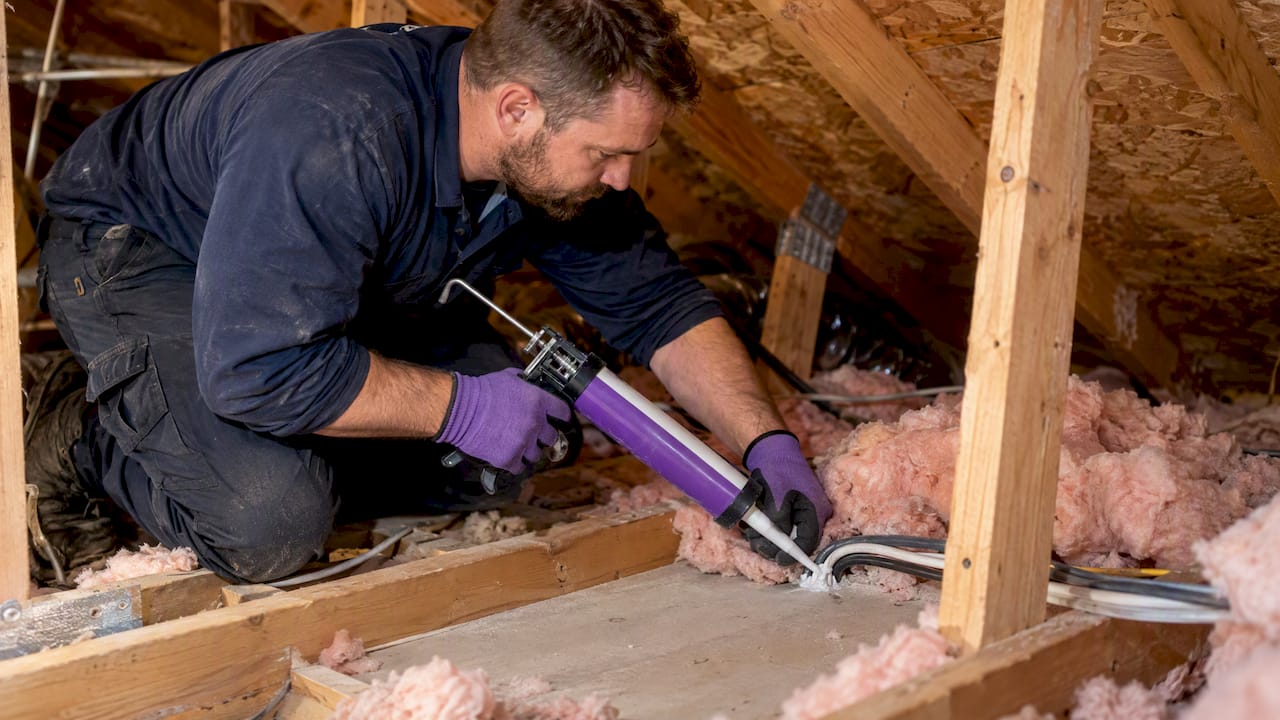
- Small gap sealing. Caulk or acoustical sealant goes around wiring, pipes, and any framing gaps. Canned spray foam fills gaps around chimneys and flues, using fire-rated foam where required by code.
- Penetration detailing. Every recessed light, junction box, and plumbing stack gets sealed individually. This step is tedious but non-negotiable for a continuous air barrier.
- Insulation installation. Only after all penetrations are sealed does insulation go in. Blown-in cellulose or fiberglass is then installed to the target R-value for the climate zone.
The cost and payback math is compelling. Standalone air sealing projects typically pay back in around 4–5 years through energy savings. That is faster than most insulation upgrades alone. Combining both in a single project reduces labor costs and maximizes the return.
Pro Tip: Ask your contractor to perform a blower door test before and after air sealing. The test measures air changes per hour and gives you a concrete number showing how much the work improved your home’s tightness.
Proper attic ventilation also needs to be part of the plan. A well-sealed attic still needs controlled ventilation to manage moisture and temperature in the attic cavity itself.
What are common misconceptions about attic air barriers?
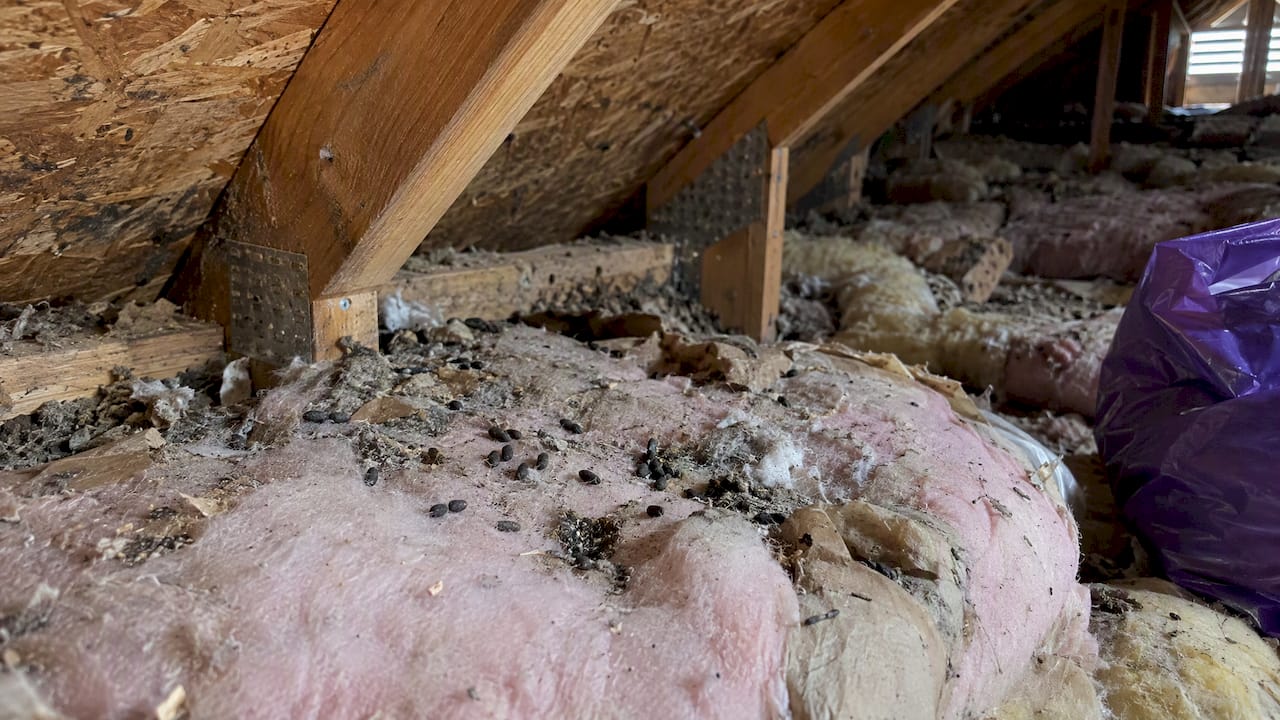
The biggest misconception is that insulation is the air barrier. It is not. Fiberglass batts and blown-in insulation are air-permeable. Air moves through them freely. Insulating over unsealed gaps hides the leaks but does not stop them. Moisture-laden air continues to move through the attic assembly, and roof deck rot or mold can develop within 7–10 years even when insulation levels are high.
Several other errors consistently undermine attic air barrier performance:
- Ignoring small penetrations. A single unsealed electrical box can leak as much air as a window left open an inch. Multiply that by 20 or 30 boxes in a typical ceiling, and the cumulative loss is significant.
- Skipping the chimney chase. The gap around a masonry chimney is often the largest single air leak in an older home. It requires fire-rated materials and careful detailing.
- Forgetting the attic hatch. An uninsulated, unsealed attic hatch is like a hole in your ceiling. It needs both an air seal and insulation on the back face.
- Relying on vapor barriers alone. A polyethylene vapor barrier on the attic floor does not stop air movement. It slows vapor diffusion, which is a different and less urgent problem in most climates.
Air sealing neutralizes the stack effect, the pressure imbalance that pulls cold air into lower floors when warm air escapes through attic leaks. Sealing the attic improves comfort throughout the entire house, not just in the rooms directly below. That whole-house benefit surprises most homeowners. Air barriers also reduce the latent load on HVAC systems by blocking infiltration of hot, humid outdoor air, which supports better indoor air quality beyond energy savings alone.
Key Takeaways
An attic air barrier is the single most effective upgrade for stopping convective heat loss, and it must be installed before insulation to work correctly.
| Point | Details |
|---|---|
| Air barrier vs. insulation | An air barrier stops convective air movement; insulation slows conductive heat transfer. Both are required. |
| Energy savings | Combining air sealing with insulation saves around 15% on annual heating and cooling costs. |
| Best materials | Closed-cell spray foam, taped drywall (ADA), caulk, and rigid foam board each suit different parts of the attic. |
| Installation sequence | Always seal penetrations before installing insulation. Reversing the order buries leaks and causes long-term moisture damage. |
| Payback period | Standalone air sealing projects typically pay back in 4–5 years, faster than most insulation upgrades alone. |
What I’ve learned after years of attic inspections
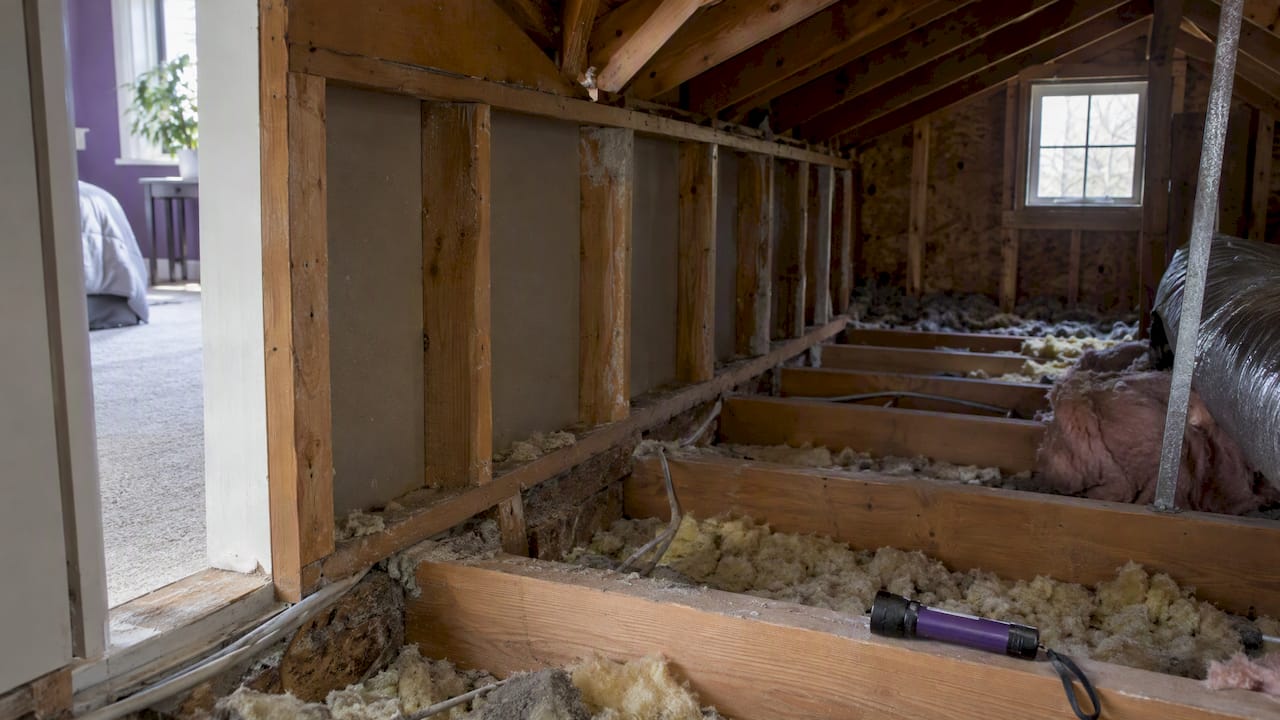
After seeing hundreds of attics across the Chicago area, the pattern is almost always the same. The homeowner added insulation years ago, maybe even twice. The house still feels cold in winter and stuffy in summer. The HVAC runs constantly. Then we pull back the insulation and find dozens of unsealed penetrations that have been leaking air the entire time.
The frustrating part is that air sealing is not complicated or expensive relative to what it delivers. But it is invisible work. You cannot see it once the insulation goes back in, and that makes it easy to skip. Contractors who are paid by the bag of insulation have little incentive to spend time sealing every electrical box. Homeowners who do not know to ask for it never get it.
My honest recommendation: before you add a single inch of new insulation, get the attic air-sealed first. If you already have insulation in place and your energy bills are still high, check the signs your attic needs an upgrade and ask specifically about air sealing during any inspection. The insulation R-value on the label means nothing if air is bypassing it through every gap in your ceiling.
DIY air sealing is possible for accessible, straightforward attics. But complex geometries, chimney chases, and recessed lights require professional materials and technique. Getting it wrong means moisture problems that show up years later, long after the contractor is gone.
— Jim
How The Attic Genius approaches attic air sealing
The Attic Genius has completed air sealing and insulation projects across Chicagoland for over 25 years. The team inspects every penetration before recommending a scope of work, and air sealing is always completed before any insulation is installed or upgraded.

Whether your attic needs a targeted air sealing pass or a full attic insulation upgrade, The Attic Genius provides upfront pricing and written warranties on every project. The team also handles professional air sealing services as a standalone service for homeowners who already have adequate insulation but still see high energy bills. Same-day inspections are available across the Northwest Suburbs and greater Chicagoland. Request a free inspection to find out exactly where your attic is losing air and what it will cost to fix it.
FAQ
What does an attic air barrier actually do?
An attic air barrier blocks uncontrolled air movement between your living space and the attic, stopping convective heat loss that insulation alone cannot address. It also prevents moist indoor air from reaching the attic, reducing the risk of condensation, mold, and structural damage.
Is insulation the same as an air barrier?
No. Insulation slows heat transfer by conduction but does not stop air movement. An air barrier is a separate, continuous layer that seals all gaps and penetrations in the ceiling plane to block airflow.
What is the best material for an attic air barrier?
Closed-cell spray foam is the most effective single material because it seals air and adds insulation value simultaneously, making it ideal for complex attic areas. Taped drywall using the Airtight Drywall Approach works well in new construction, while caulk and rigid foam board handle smaller gaps and hatches in existing homes.
How long does attic air sealing take to pay back?
Standalone attic air sealing projects typically pay back in around 4–5 years through reduced heating and cooling costs. When combined with insulation upgrades, the payback is spread across both improvements but the total energy savings are greater.
Can air sealing improve comfort in rooms far from the attic?
Yes. Sealing attic leaks neutralizes the stack effect, a pressure imbalance that pulls cold air into lower floors and basement areas when warm air escapes through the attic. Homeowners consistently report improved comfort throughout the entire house after attic air sealing, not just in upstairs rooms.