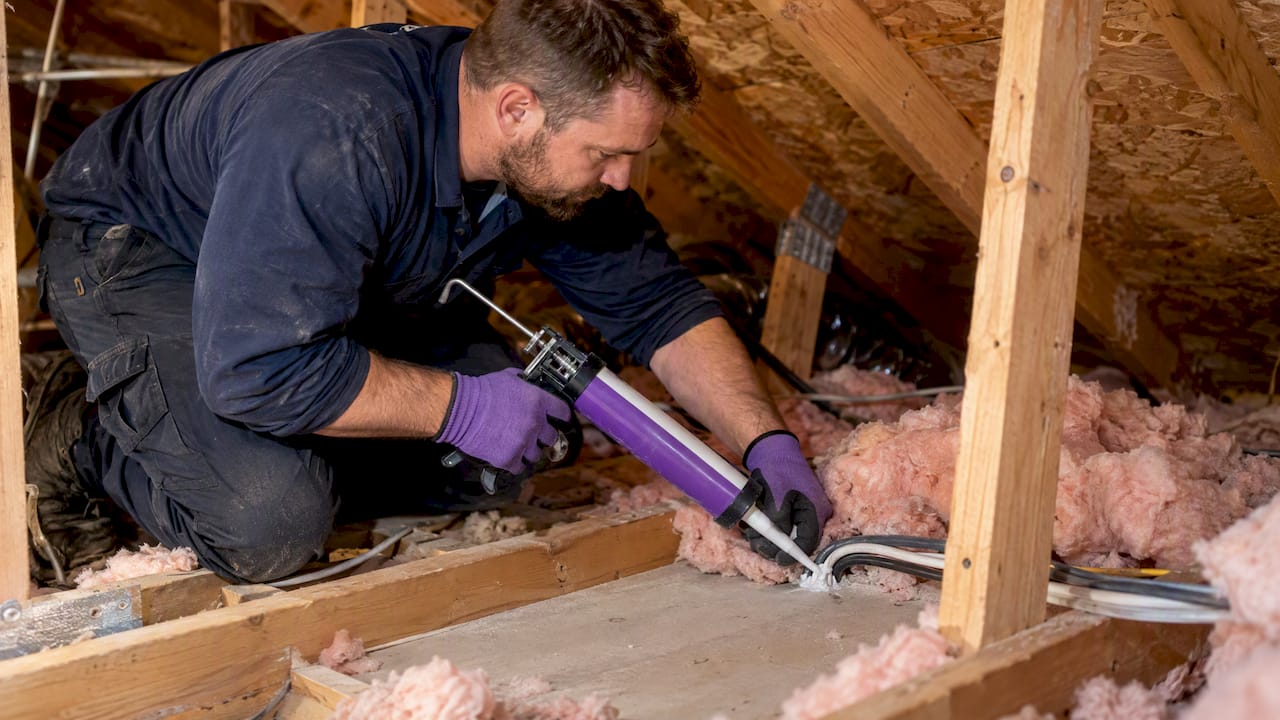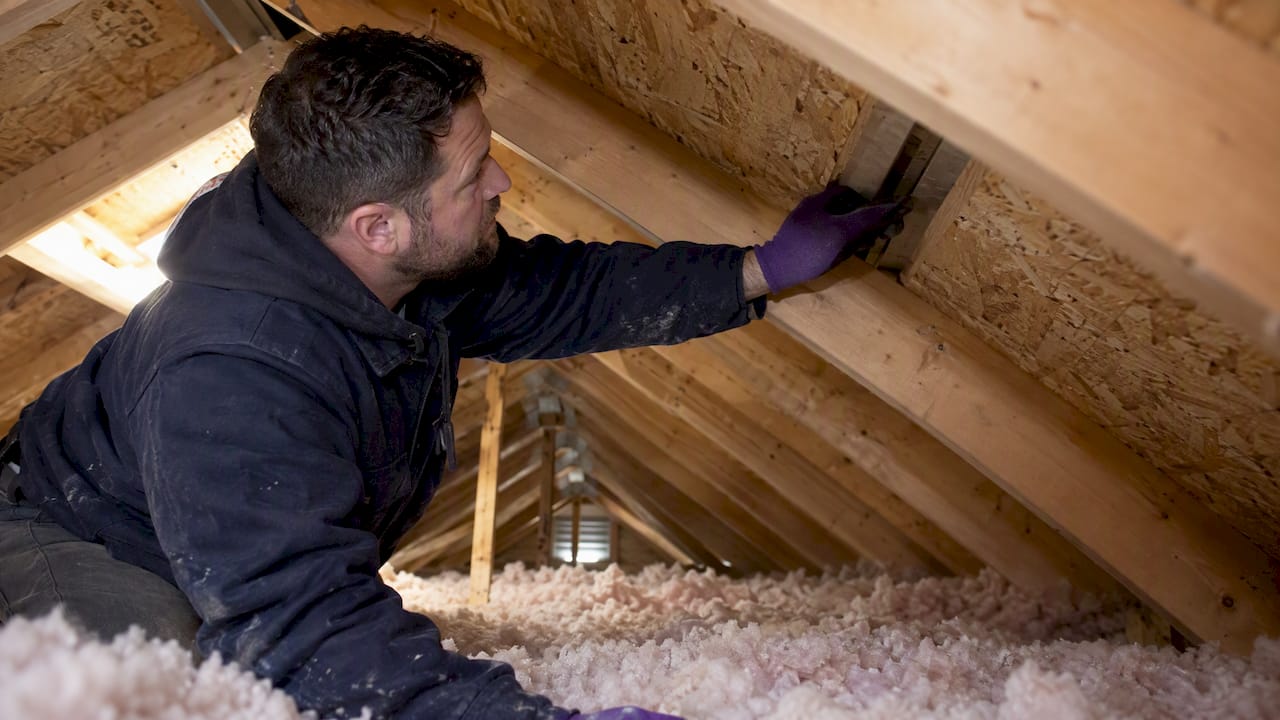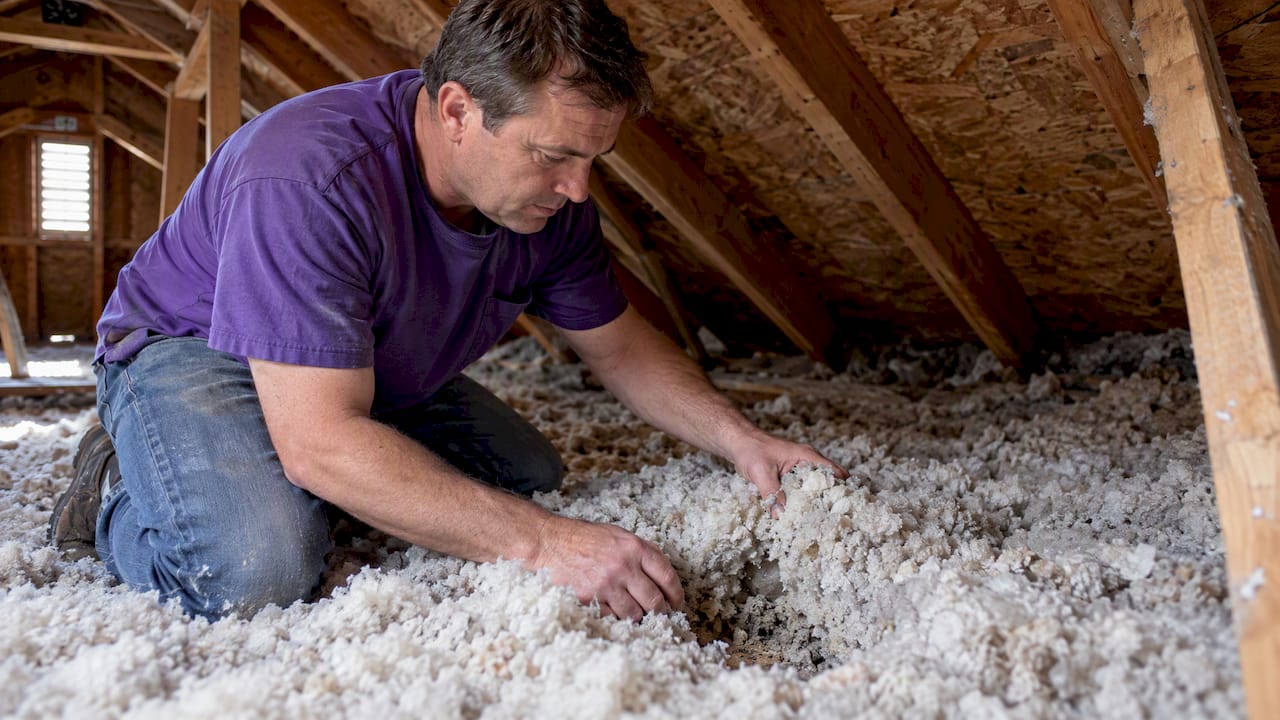

Before you sign anything, make sure every attic insulation quote you receive answers these questions in writing: What insulation material and manufacturer? What target R-value and final installed depth? What specific air-sealing work is included? Is old insulation removal part of the scope? What permits, warranties, and rebate documentation will you provide? Those five items are the difference between a quote you can evaluate and a number you’re just supposed to trust.
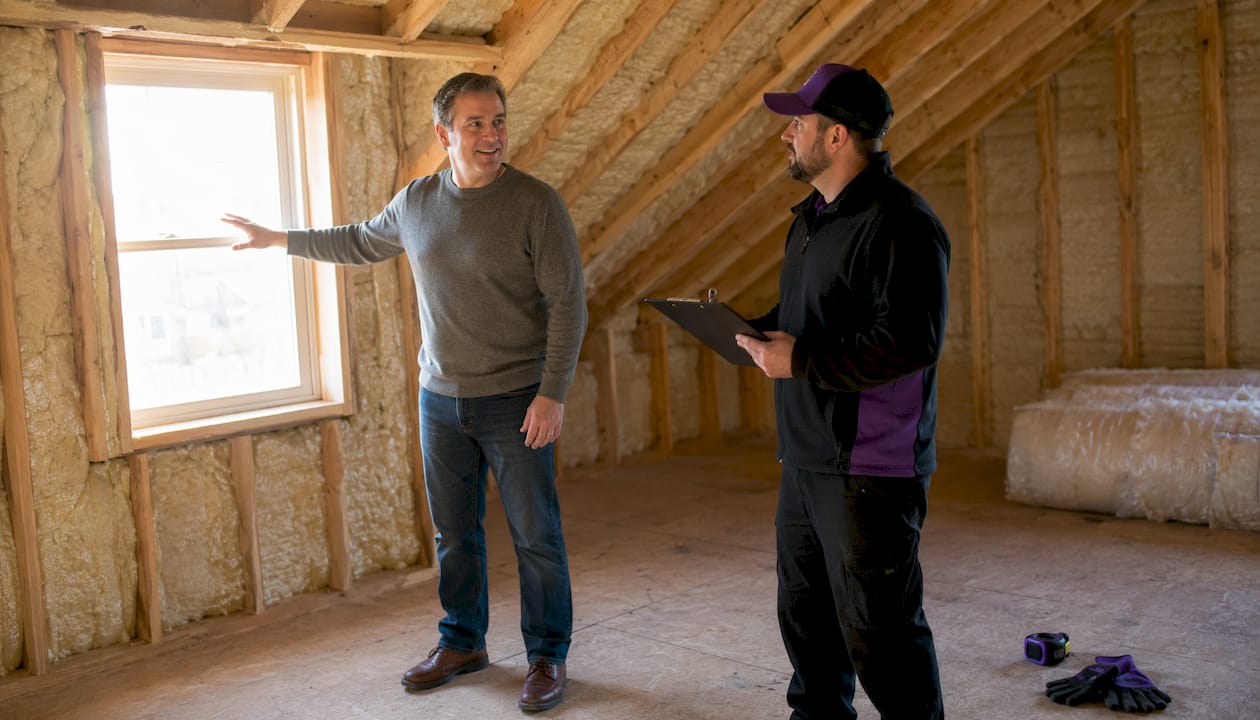
The top questions around attic insulation quotes all trace back to one problem: contractors quote differently. One price includes air sealing, removal, and rebate paperwork. Another covers only blown-in material and labor. The gap between them can look like a bargain when it’s actually a liability. ENERGY STAR recommends getting at least two to three written estimates precisely because large cost differences usually come down to what’s included, not what’s installed.
Here’s what to insist on before any contractor starts work:
- Written itemization: material type, target R-value, final depth or bag count
- Air sealing scope: specific bypasses listed (recessed lights, top plates, plumbing chases)
- Prep and removal: whether old insulation comes out, how it’s disposed of, and at what cost
- Ventilation check: baffle inspection and soffit vent protection noted in the scope
- Documentation: permit filing responsibility, rebate paperwork, and photographic milestones
- Warranty: length, what it covers, and what proof of completion looks like
Get two to three written quotes. Request photos of key attic milestones before work is covered. Ask whether the contractor handles rebate documentation, because missing that step can cost you real money in utility incentives.
Table of Contents
- Why two similar-looking quotes can deliver very different results
- What should a written attic insulation quote actually include?
- What questions should you ask a contractor before hiring?
- Red flags that signal a low-quality quote
- What do reasonable costs and timelines look like?
- How The Attic Genius evaluates quotes on a same-day inspection
- Key Takeaways
- What installers wish homeowners would ask
- The Attic Genius can help you read quotes and book an inspection
- Authoritative sources for homeowners who want the full technical detail
Why two similar-looking quotes can deliver very different results
The headline number on a quote tells you almost nothing. What matters is what’s behind it.

Materials and R-value are the most obvious variable. Spray foam, blown-in cellulose, and fiberglass batts each deliver different R-values per inch and require different application methods. A quote for R-49 blown-in cellulose and a quote for R-38 fiberglass batts are not the same job, even if the prices are close.
Prep and remediation are where quotes diverge most sharply. Old insulation removal, mold treatment, and pest waste cleanup add cost, but skipping them means installing new material over a problem that will keep getting worse. Professional crews use commercial vacuum systems to remove contaminated blown-in insulation, and that work should appear as a separate line item, not a verbal promise.
Air sealing is the single biggest performance driver that low bids routinely omit. ENERGY STAR’s guidance is clear: seal attic bypasses before adding insulation. Insulation is an assembly, not just material. Without sealed bypasses, conditioned air keeps escaping through gaps around recessed lights, top plates, and plumbing chases, and the R-value on the label never translates to the performance in your home.
Rebate documentation is another quiet cost difference. Low upfront bids frequently skip the paperwork required for utility rebates, which can disqualify you from significant incentive payments. A quote that looks $300 cheaper may cost you $500 or more in missed rebates.
Pro Tip: Ask every contractor: “Does your quote include rebate documentation for utility incentives?” If they hesitate or say they’ll handle it later, get that in writing before you commit.
What should a written attic insulation quote actually include?
A proper attic insulation quote should itemize every component of the job. Vague single-line totals are red flags. Here’s the line-by-line checklist to use when reviewing any estimate.
Material details
- Insulation type (fiberglass batts, blown-in cellulose, open-cell or closed-cell spray foam)
- Manufacturer name, if relevant
- Target R-value per area of the attic (e.g., R-49, R-60)
- Final installed depth in inches, or number of bags if blown-in
Air sealing scope
- Specific bypasses to be sealed: recessed light cans, top plates, plumbing chases, electrical penetrations, attic hatch
- Materials used: spray foam, caulk, gaskets, metal flashing for chimney gaps
- Confirmation that air sealing happens before insulation is installed
Attic prep and removal
- Whether existing insulation is removed, vacuumed, or left in place
- Disposal fee listed separately if removal is included
- Condition assessment of existing insulation noted
Ventilation and baffles
- Soffit vent inspection noted in scope
- Baffle installation or replacement included if needed
- Confirmation that vents won’t be buried under new material
Labor and timeline
- Estimated crew size and whether subcontractors will be used
- Estimated hours or days on-site
- What to expect on installation day, including a pre-work walkthrough
Permits, documentation, and rebates
- Who files the permit, if one is required locally
- What rebate documentation the contractor provides at job completion
- Contractor’s license number and insurance certificate
Warranties and post-job verification
- Warranty length and what it covers (materials, labor, or both)
- Photographic evidence of air-sealing points, depth markers, and baffle placement before insulation covers the work
- Depth marker photos as proof of final R-value achieved
Pro Tip: When you call for an estimate, say exactly this: “I’d like the quote to list the R-value target, air sealing scope, removal plan, and warranty terms as separate line items.” Contractors who push back on that level of detail are telling you something important.
| Line Item | What to Look For |
|---|---|
| Insulation type and R-value | Named material, specific R-value target (e.g., R-49) |
| Air sealing scope | Specific bypasses listed, materials named |
| Removal and disposal | Included or excluded, disposal fee separate |
| Ventilation and baffles | Soffit inspection noted, baffles included if needed |
| Rebate documentation | Explicitly included or excluded |
| Warranty | Length, coverage, and proof of completion method |
What questions should you ask a contractor before hiring?
Use this script on the phone or during the walkthrough. The goal is consistent answers across multiple bids so you can compare apples to apples.
Opening phone questions:
- “Are you licensed and insured in Illinois?”
- “Will the estimator inspect the attic in person before quoting?”
- “Do you seal attic bypasses before installing insulation, and will that be a separate line item?”
Walkthrough prompts:
- “Will you itemize air sealing for recessed lights, top plates, and plumbing chases?”
- “What R-value are you targeting, and how will you verify the final depth?”
- “Is old insulation removal included, and how do you handle disposal?”
- “Will soffit vents be protected, and are baffles part of the scope?”
- “What documentation will I receive at the end of the job?”
Verification questions:
- “Can you provide proof of license and insurance before we sign?”
- “Do you have photos from recent local jobs I can review?”
- “Can you give me references from jobs in this area within the last six months?”
One practical move: if a contractor makes a verbal promise during the walkthrough (“we’ll seal those light cans, no problem”), ask them to add it to the written scope before you sign. Verbal commitments disappear. A written change order does not.
Pro Tip: Ask for a sample of their completed job documentation, not just references. A contractor who routinely provides depth-marker photos and rebate paperwork after every job will show you that without hesitation.
Red flags that signal a low-quality quote
Some warning signs are obvious. Others show up only when you know what to look for.
- Vague single-line totals. No R-value, no air-sealing line, no removal detail. A quote that reads “attic insulation, 1,200 sq ft — $2,400” tells you nothing useful and protects you from nothing.
- “We’ll handle that later” on air sealing. Air sealing before insulating is not optional. A contractor who treats it as an afterthought is telling you they plan to skip it.
- No written warranty. Verbal guarantees are worth nothing once the crew leaves. If the warranty isn’t on paper with a length and coverage scope, it doesn’t exist.
- Large upfront deposits. Industry-standard deposits are typically modest. A contractor demanding 50% or more upfront before a single bag of insulation is opened is a financial risk.
- Refusal to provide references or proof of insurance. A licensed, insured contractor has nothing to hide. Hesitation here is a hard stop.
- Price far below local averages with no explanation. A quote that undercuts every other bid usually means something is missing: prep, removal, air sealing, or rebate documentation.
On the job day itself, watch for these: no depth markers placed before insulation is blown in, soffit vents getting buried without baffles, and no photos taken before work is covered. Poor installations that block vents cause moisture and mold problems even when the R-value looks right on paper.
What do reasonable costs and timelines look like?
Material choice is the biggest single driver of per-square-foot cost, but access difficulty, removal, and air sealing scope can shift the total more than the material itself.
Typical per-square-foot ranges reported by contractor guides: fiberglass batts $1.50–$2.50 per sq ft, blown-in cellulose $2.00–$3.00 per sq ft, and closed-cell spray foam $4.00–$7.00+ per sq ft. These are for installation only; higher costs apply if removal and air sealing are included.
Read these ranges as a baseline, not a budget. A job that includes removal, air sealing, and baffle work will land above the material-only rate, and that’s appropriate. The mistake is comparing a quote that includes all three to one that includes none and calling the cheaper one a deal.
Timeline expectations are more predictable. Most attic insulation installs finish in a few hours for a straightforward blown-in job. Add air sealing and the timeline extends to a half-day or more. Jobs with removal, mold remediation, or multiple areas can run a full day or require two visits.
A typical attic blown-in job runs a few hours. Add air sealing and that increases the time substantially. Removal, remediation, or multiple zones can require a full day or multiple visits.
When you read a quote, separate the one-time remediation costs (removal, mold treatment, pest cleanup) from the per-square-foot installation rate. Those are different categories. A remediation charge that appears in one quote and not another doesn’t mean the first contractor is more expensive. It means the second one either didn’t find the problem or didn’t plan to address it. Attic insulation mistakes often start right here, with homeowners comparing totals instead of scopes.
How The Attic Genius evaluates quotes on a same-day inspection
The Attic Genius uses a structured checklist on every same-day inspection, covering the same items a homeowner should demand from any contractor.
Before signing a contract, we verify:
- License and insurance documentation, current and valid in Illinois
- Written warranty with explicit length and coverage terms
- Detailed scope with R-value target, air-sealing line items, and removal plan
- Rebate paperwork inclusion confirmed in writing
On-site, we document:
- Photos of each air-sealing point before insulation covers the work
- Depth markers placed and photographed throughout the attic floor
- Baffle placement confirmed at every soffit vent location
- Attic hatch insulated and weatherstripped
- Ventilation clearance verified after installation
How we score a scope for completeness:
- Completeness: Are all line items present? R-value, air sealing, removal, ventilation, rebate paperwork?
- Quality: Does the scope include air sealing and ventilation checks, or just material and labor?
- Documentation: Are photos, depth markers, and rebate forms part of the deliverable?
A scope that passes all three categories is one worth signing. One that fails any of them needs a conversation before work begins.
Pro Tip: Before any insulation is blown in, ask the crew to show you the depth markers they’ve placed. Those markers are your proof of final R-value. If they haven’t placed them yet, ask why.
The Attic Genius also handles attic ventilation and air sealing services as part of a complete attic upgrade, not as optional add-ons. That distinction shows up in how quotes are written and what homeowners actually get.
Key Takeaways
Getting the right attic insulation quote means comparing scope, not just price: insist on itemized R-value, air sealing, removal, ventilation, and rebate documentation before signing anything.
| Point | Details |
|---|---|
| Get multiple written quotes. Large price gaps usually reflect differences in scope, not just material cost. | |
| Air sealing is non-negotiable | Insulation without sealed bypasses underperforms; it must appear as a line item. |
| Verify documentation requirements | Rebate paperwork and depth-marker photos protect your investment and your incentives. |
| Watch for red flags | Vague totals, no written warranty, and large deposits are reasons to walk away. |
| The Attic Genius inspection | Same-day inspections with photo-verified reports, written warranties, and rebate paperwork assistance across Chicagoland. |
What installers wish homeowners would ask
Most homeowners walk into a quote conversation focused on price. The contractors who do this work well wish they’d ask about documentation instead.
The jobs that go sideways aren’t usually the ones where the homeowner pushed back on price. They’re the ones where nobody wrote anything down. A scope that says “attic insulation” and a total is not a contract. It’s a handshake with no memory. When something goes wrong, and occasionally something does, there’s nothing to point to. No depth markers, no air-sealing photos, no warranty language. The homeowner has a finished attic and no proof of what’s in it.
The Attic Genius has 25+ years of combined experience and 400+ combined five-star reviews across the greater Chicagoland area, including the Northwest Suburbs and parts of Wisconsin. That track record comes from one habit: writing everything down. R-value targets, air-sealing points, baffle placements, depth markers, rebate forms. Every job gets documented the same way, because the documentation is what makes the warranty mean something and what makes a rebate audit survivable.
Homeowners who ask for that level of detail upfront aren’t being difficult. They’re being smart. And any contractor worth hiring will tell you the same thing.
The Attic Genius can help you read quotes and book an inspection
Getting two or three quotes is the right move. Making sense of them is where most homeowners get stuck.

The Attic Genius offers same-day attic inspections across the greater Chicagoland area, including the Northwest Suburbs and parts of Wisconsin. Every inspection includes a photo-verified report, a written scope of what your attic actually needs, and guidance on rebate documentation so you don’t leave utility incentives on the table. If you’ve already received quotes and want a second opinion on what they include (or don’t), that’s exactly what a same-day inspection covers.
Upfront pricing, written warranties, and no vague totals. If you’re ready to understand why your attic floors need insulation and what a complete, documented job looks like, schedule your inspection with The Attic Genius today.
Authoritative sources for homeowners who want the full technical detail
| Source | What It Covers | Best Used For |
|---|---|---|
| ENERGY STAR — How to Hire an Attic Insulation Contractor | Air sealing guidance, contractor selection, R-value documentation requirements | Verifying air sealing standards and what contractors must provide at job completion |
| Building Science Corporation | Technical depth on insulation assemblies, moisture control, and bypass sealing | Understanding why air sealing and insulation work together as a system |
| Insulation Institute | Installation quality standards, ventilation requirements, depth consistency | Checking whether a contractor’s process meets industry best practices |
| ENERGY STAR Rebate Finder | Utility rebate programs by state and utility provider | Finding local incentive programs and confirming documentation requirements |
| Renovate.com — How to Choose the Right Insulation Contractor | Quote comparison framework, contractor vetting questions, common homeowner mistakes | Building your contractor interview checklist and comparing bids |