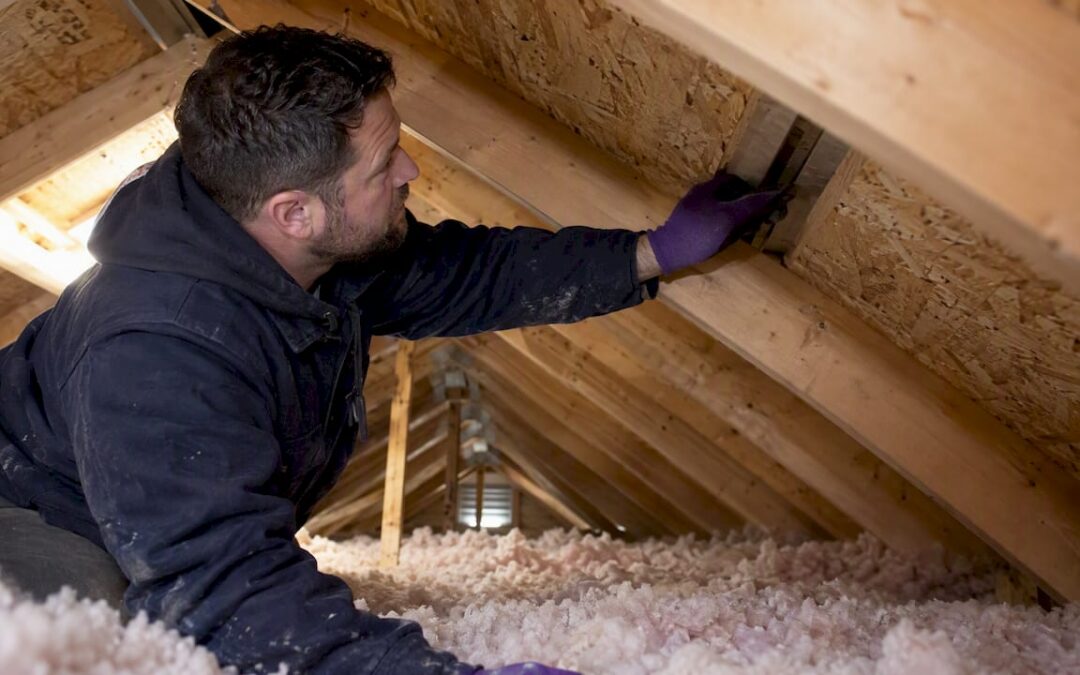
by | Oct 16, 2026 | Uncategorized
Your first winter priority is to stop warm indoor air from reaching the roof by air sealing and insulating, then confirm a balanced soffit-to-ridge airflow path with a clear 2-inch gap above the insulation. Skip power attic fans. In cold climates, the Building America...
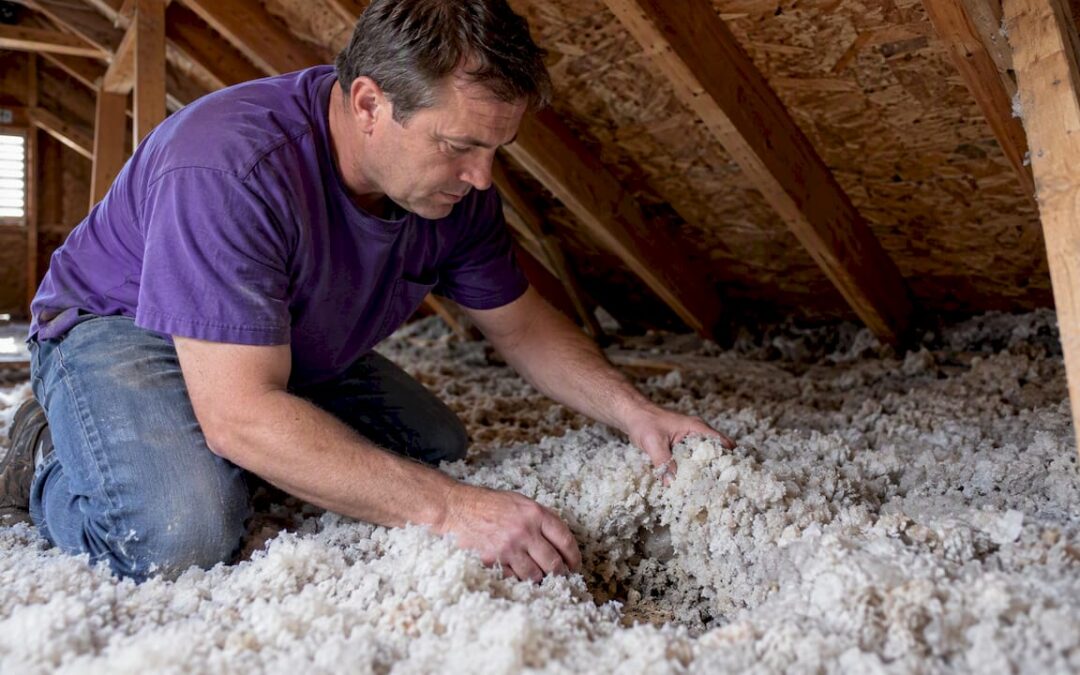
by | Oct 15, 2026 | Uncategorized
Most attic insulation can last for many years depending on the material, but condition, not age, decides when replacement is actually necessary. Energy Star advises basing that decision on whether insulation is dry, clean, and intact rather than on a fixed calendar...
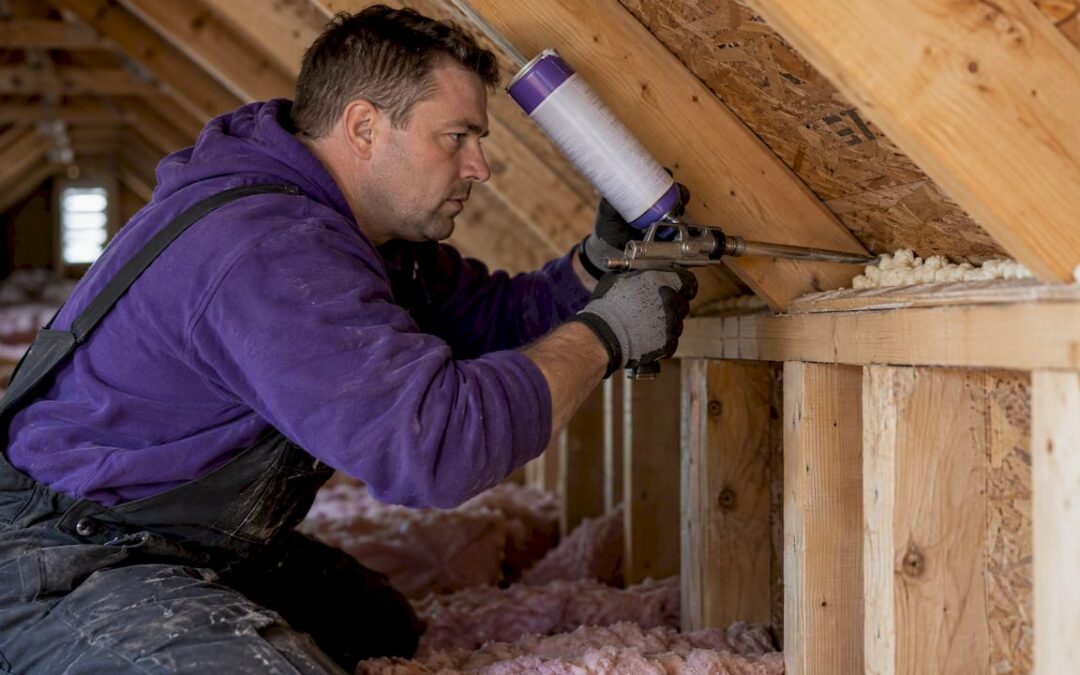
by | Oct 13, 2026 | Uncategorized
Yes, seal attic top plates whenever you can get to them, whether that is during an insulation upgrade, a drywall replacement, or any project that already has your attic opened up. Closing these gaps stops one of the biggest draft paths in a house, cuts energy loss,...
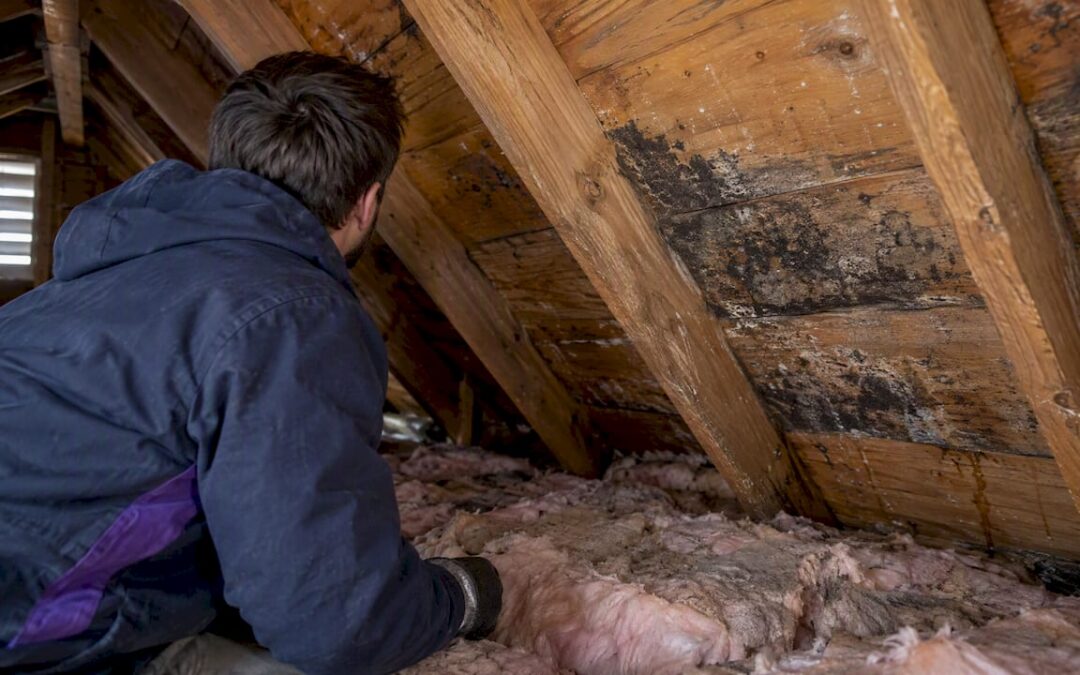
by | Oct 12, 2026 | Uncategorized
Most attic mold you see in winter comes from warm, moist house air condensing on cold attic surfaces, not from a roof leak. The first move is to seal the air leaks between your living space and your attic, then dry any wet materials within 24 to 48 hours. If mold...
by | Oct 9, 2026 | Uncategorized
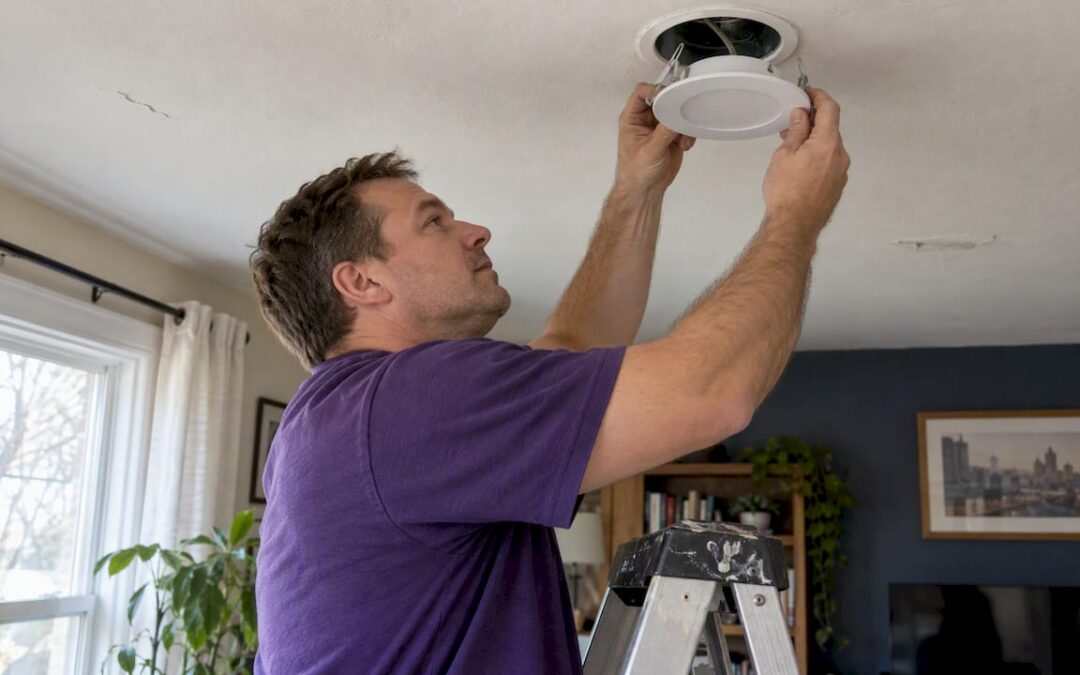
Yes, most recessed lights can be meaningfully air sealed, and for many homeowners the fastest fix is an ENERGY STAR-qualified LED retrofit kit with a foam gasket, paired with a bead of caulk around the trim. Non-IC fixtures need a fire-rated attic-side enclosure...
by | Oct 8, 2026 | Uncategorized
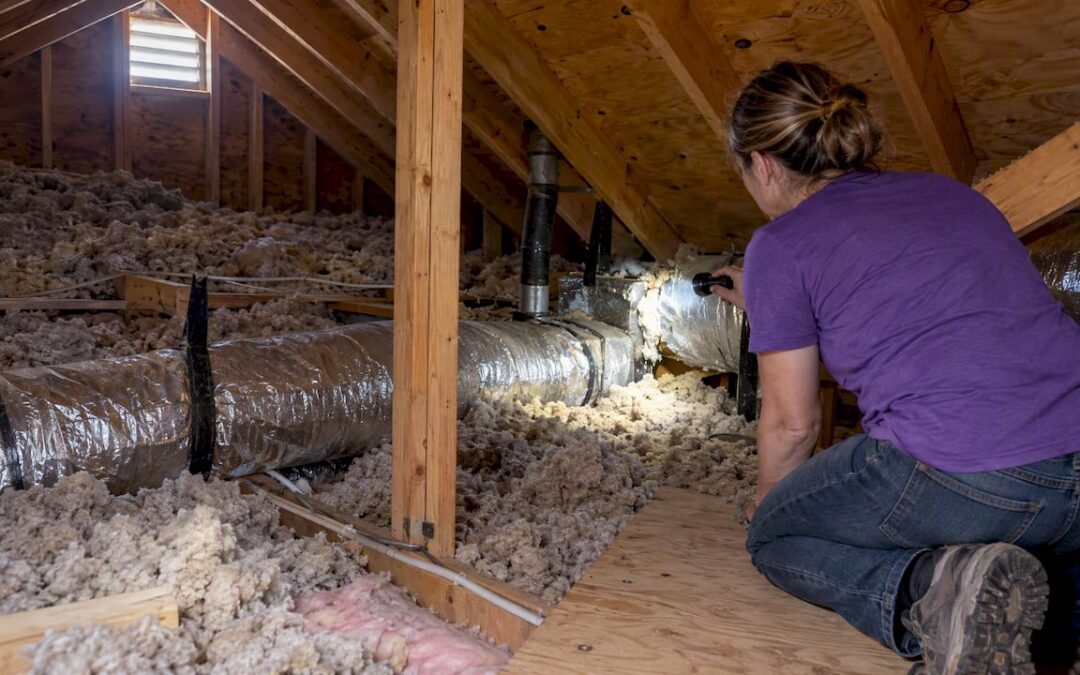
The stack effect is warm air rising through a house, drawing cold air in low and pushing conditioned air out through attic leaks and high openings. Left unchecked, it drives higher energy bills, drafts, and pressure-driven moisture that feeds mold growth. If your...