by | Nov 10, 2026 | Uncategorized
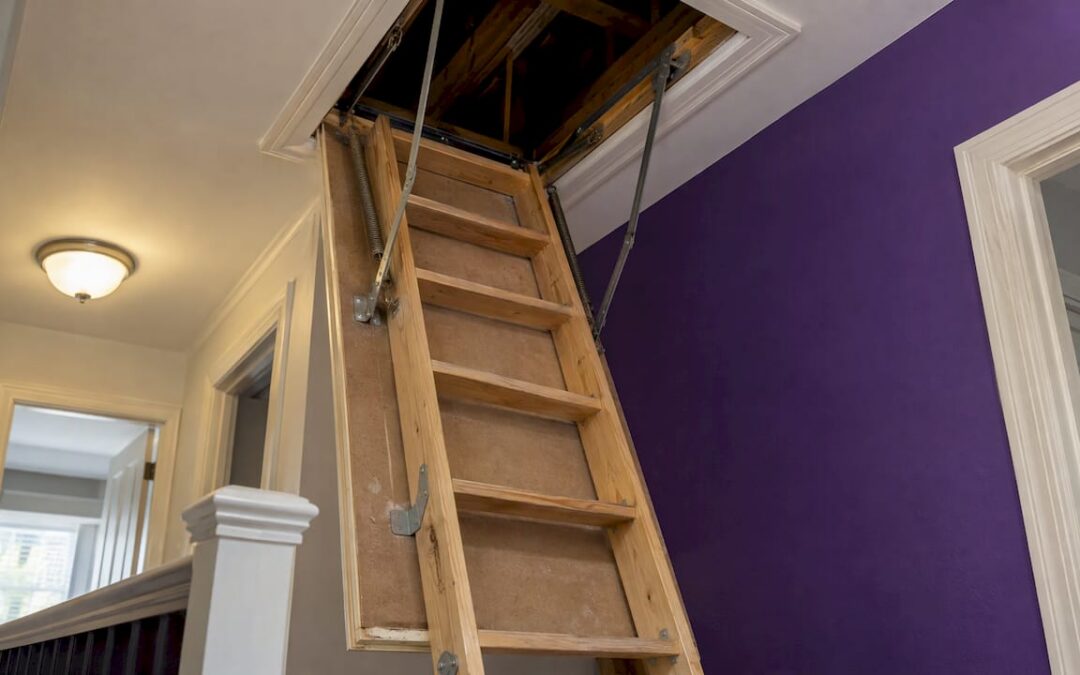
To insulate attic stairs, seal the gaps around the stair frame first, then put an insulated, gasketed cover over the stairs on the attic side. Aim for roughly the same R-value as the rest of your attic floor. A hatch or an attic door gets weatherstripping and a rigid...
by | Nov 9, 2026 | Uncategorized
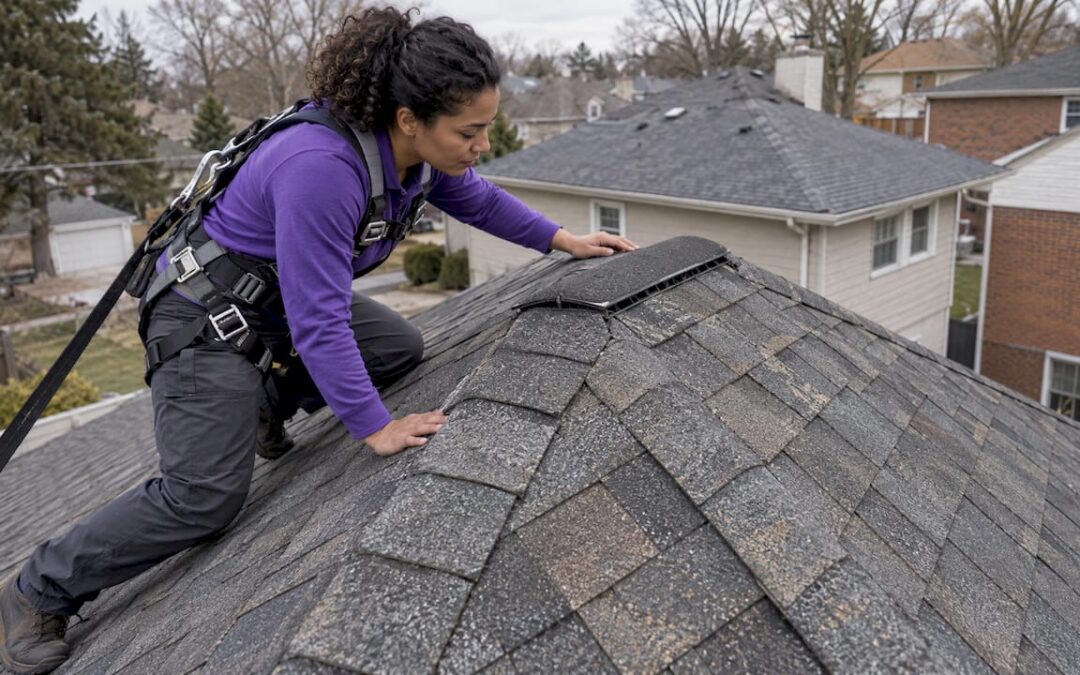
A hip roof can be vented well, but not the way a gable roof is. The ridge is short or missing, so you need a balanced system: continuous intake at the soffits, exhaust high on the roof, and no more exhaust than intake. Size the total vent area from your attic floor...
by | Nov 6, 2026 | Uncategorized
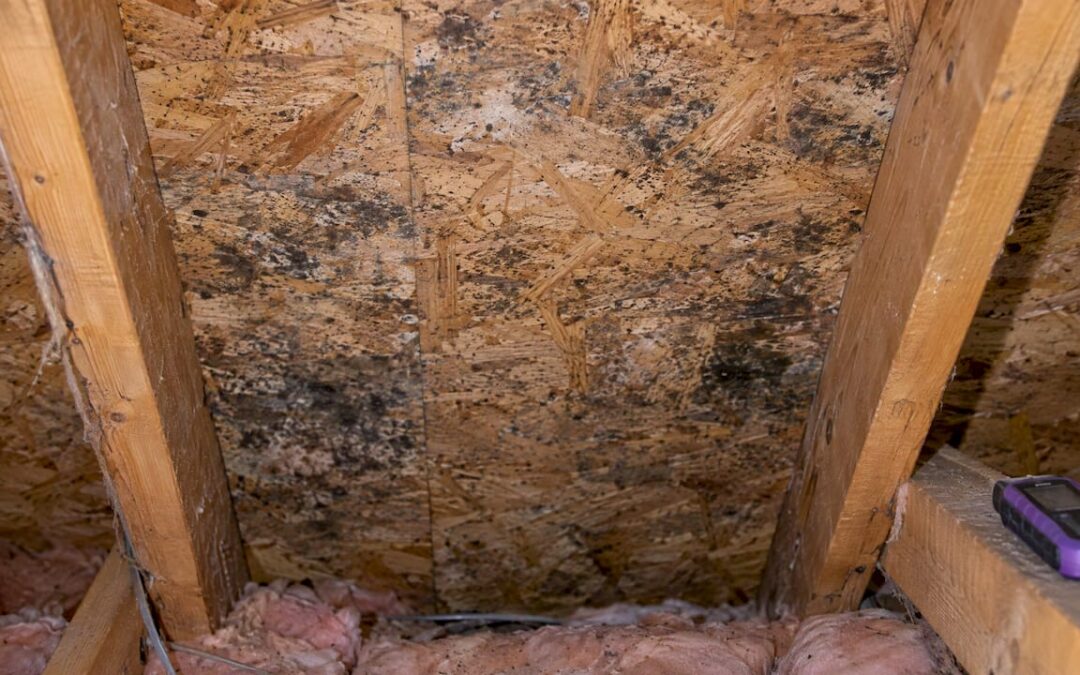
Mold on roof sheathing almost always means moisture is reaching the underside of your roof deck, either as warm indoor air that condenses on cold wood or as a slow roof leak. The mold is a symptom. The cure is to stop the moisture first, dry the wood, and then clean...
by | Nov 5, 2026 | Uncategorized
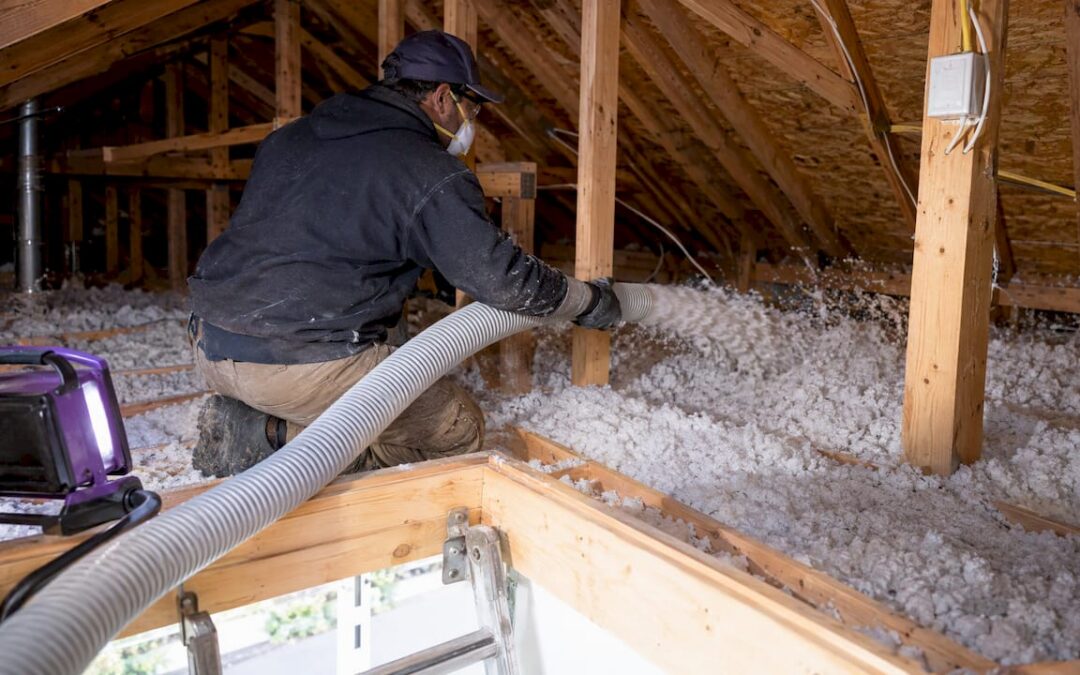
Upgrading attic insulation usually means seal first, then add more insulation on top of what you have, until you reach about R-49 to R-60 for our Chicago-area climate. The old insulation can stay if it is dry, clean and in decent shape. It has to come out if it is...
by | Nov 3, 2026 | Uncategorized
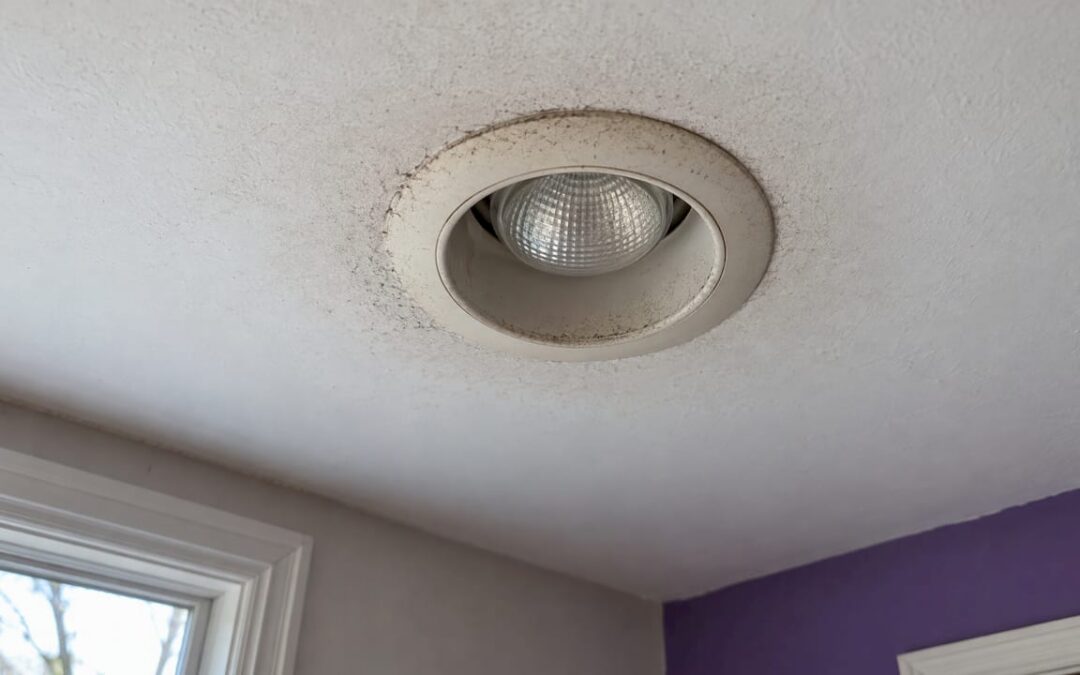
If your house stays dusty no matter how often you clean, and the dustiest rooms sit right under the attic, the attic is a prime suspect. Air leaks through the ceiling, around recessed lights, and through leaky ducts can carry attic dust, insulation fibers and debris...
by | Nov 2, 2026 | Uncategorized
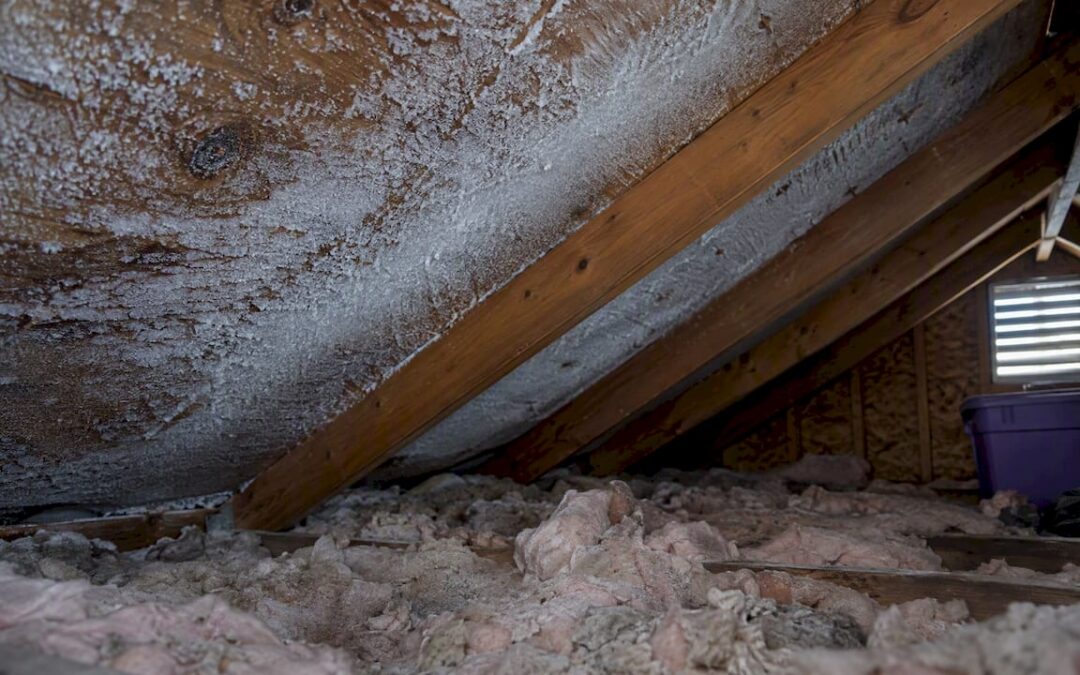
Yes, a humidifier can cause frost in your attic. Whole-house and portable units add moisture to the air you live in, and that warm, humid air leaks upward through gaps in your ceiling. When it reaches the cold underside of the roof in a Chicago-area January, it...