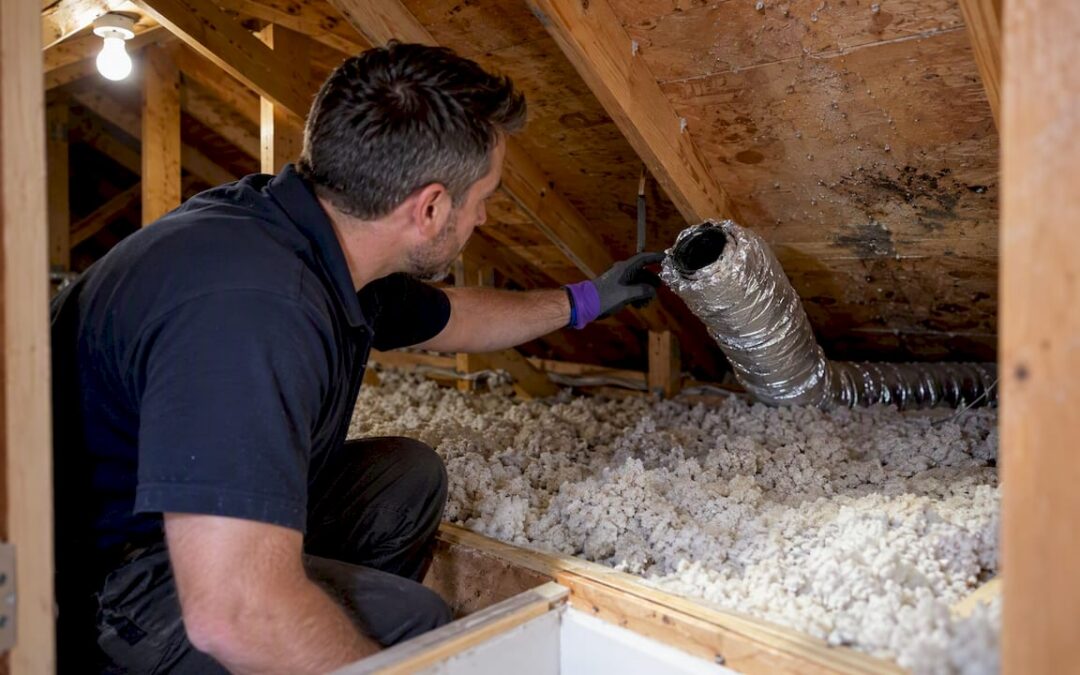
by | Oct 6, 2026 | Uncategorized
No, a bathroom fan should never vent into an attic. It must terminate outdoors, through a roof cap, gable vent, or wall exhaust. Venting into the attic traps warm, moist air where it condenses on cold surfaces, inviting mold growth within days and soaking insulation...
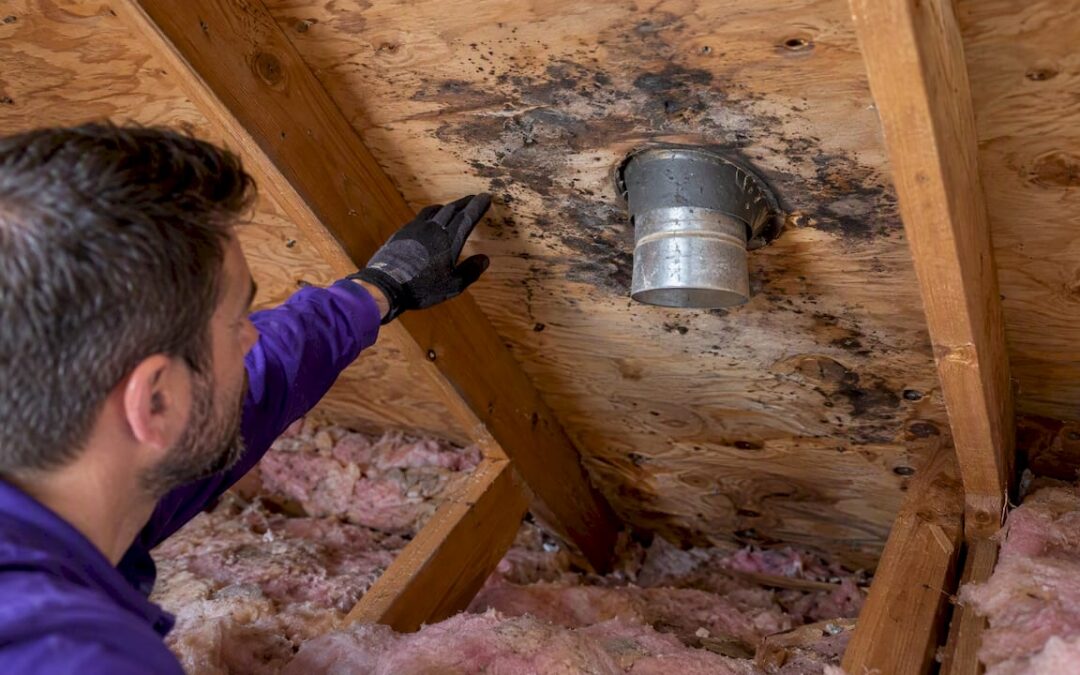
by | Oct 5, 2026 | Uncategorized
Black spots on attic plywood most often point to moisture-driven mold or staining, not a defect in the wood itself. If the spotted area is small and the plywood underneath feels dry and firm, EPA and CDC guidance supports a careful DIY cleanup. If the area is larger...
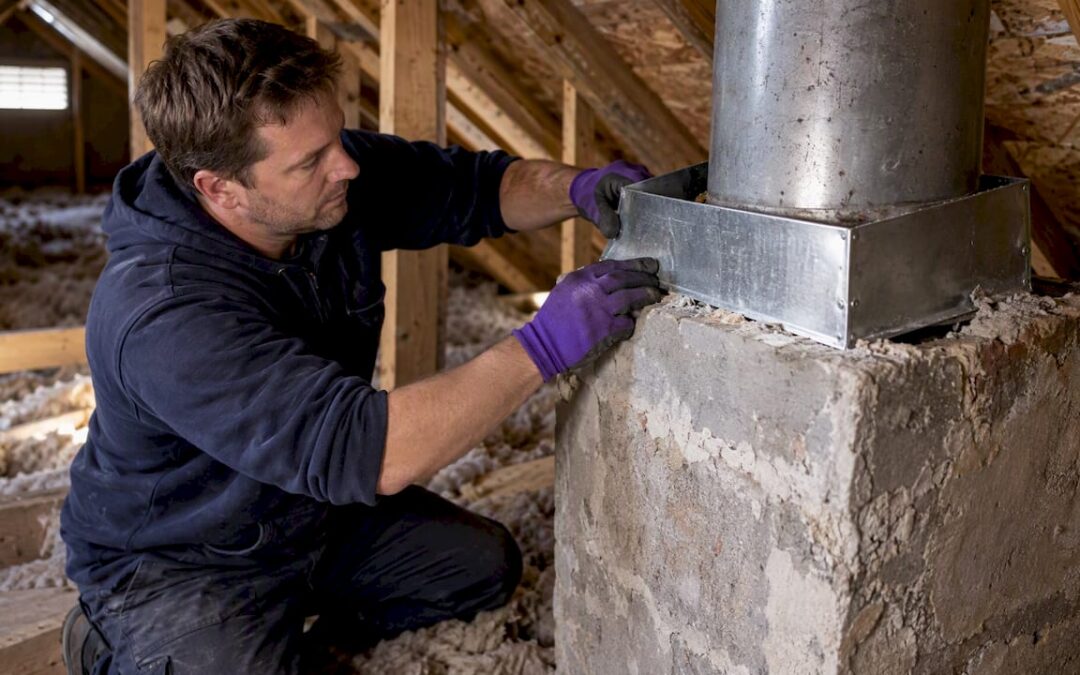
by | Oct 2, 2026 | Uncategorized
A small hairline gap around a chimney chase is common and usually harmless, but any gap wide enough to see daylight through, or one paired with rust or ponding water, is not acceptable and needs attention. Start by inspecting the chase cover, flashing, and attic...
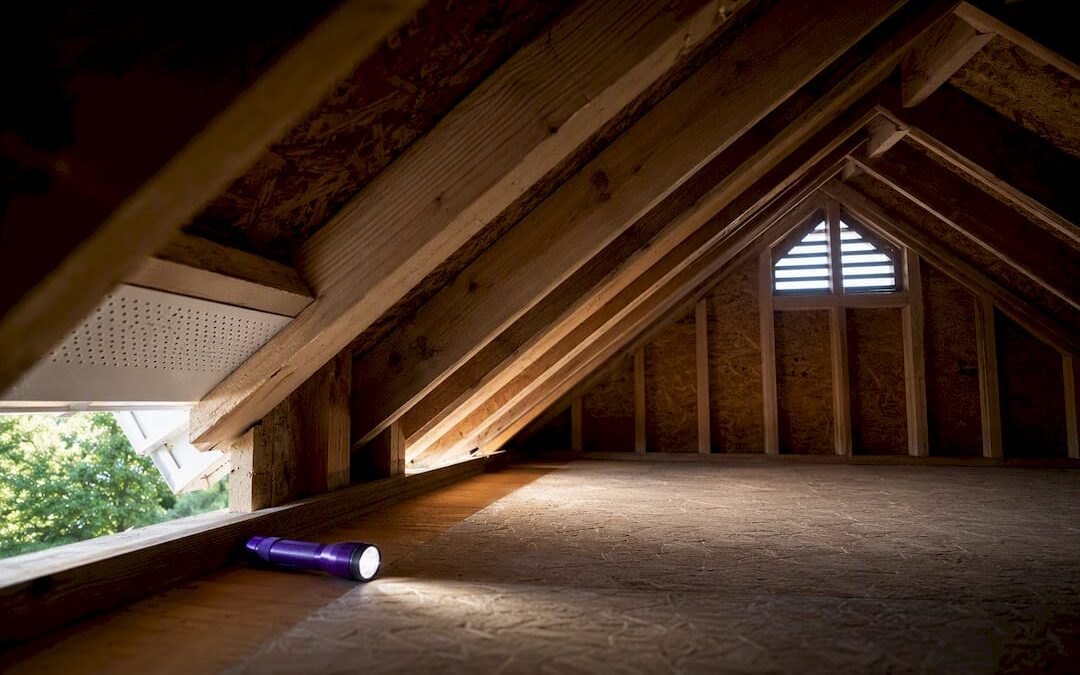
by | Oct 1, 2026 | Uncategorized
For most homes, continuous soffit intake paired with high exhaust through a ridge vent gives the most balanced, reliable attic ventilation. Gable vents are a reasonable alternative only when soffits or eaves aren’t available, or a full roof retrofit isn’t practical....
by | Sep 30, 2026 | Uncategorized
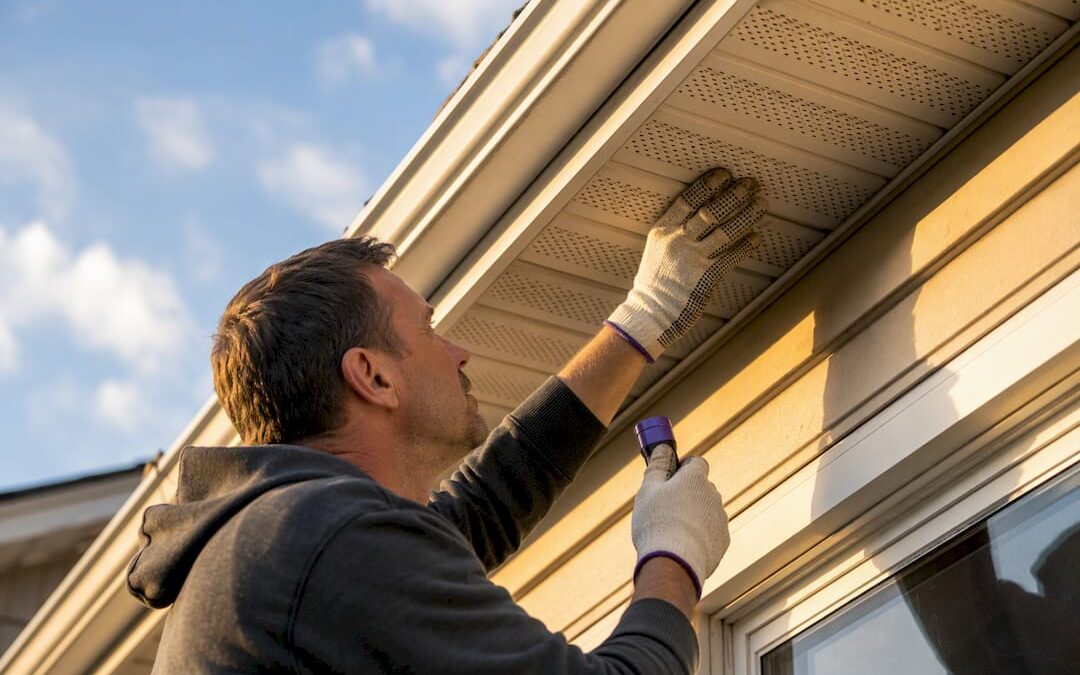
Blocked soffit vents, usually from insulation, debris, or pests, cut off the airflow your attic needs and often lead to moisture buildup, heat damage, and higher energy bills. If you suspect a blockage, grab a flashlight and check the attic first: look at each rafter...
by | Sep 29, 2026 | Uncategorized
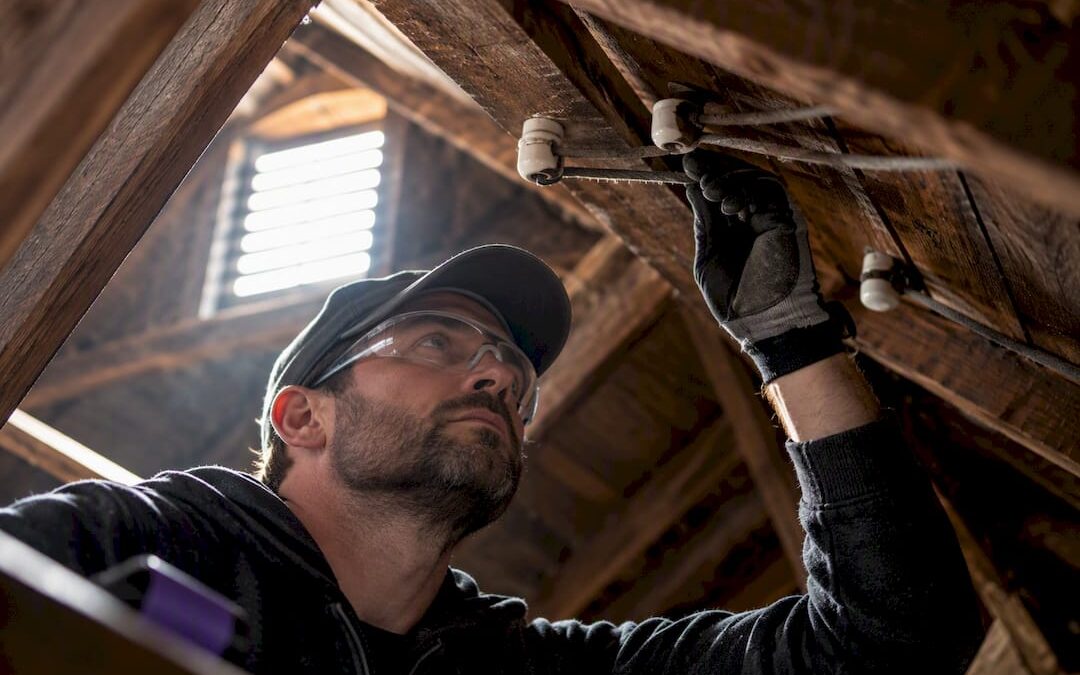
Insulating over knob-and-tube wiring is allowed only under specific conditions: the wiring must be in good condition, adequately rated, and cleared by a licensed electrician, or it must be selectively decommissioned first. Before scheduling any insulation work, call...