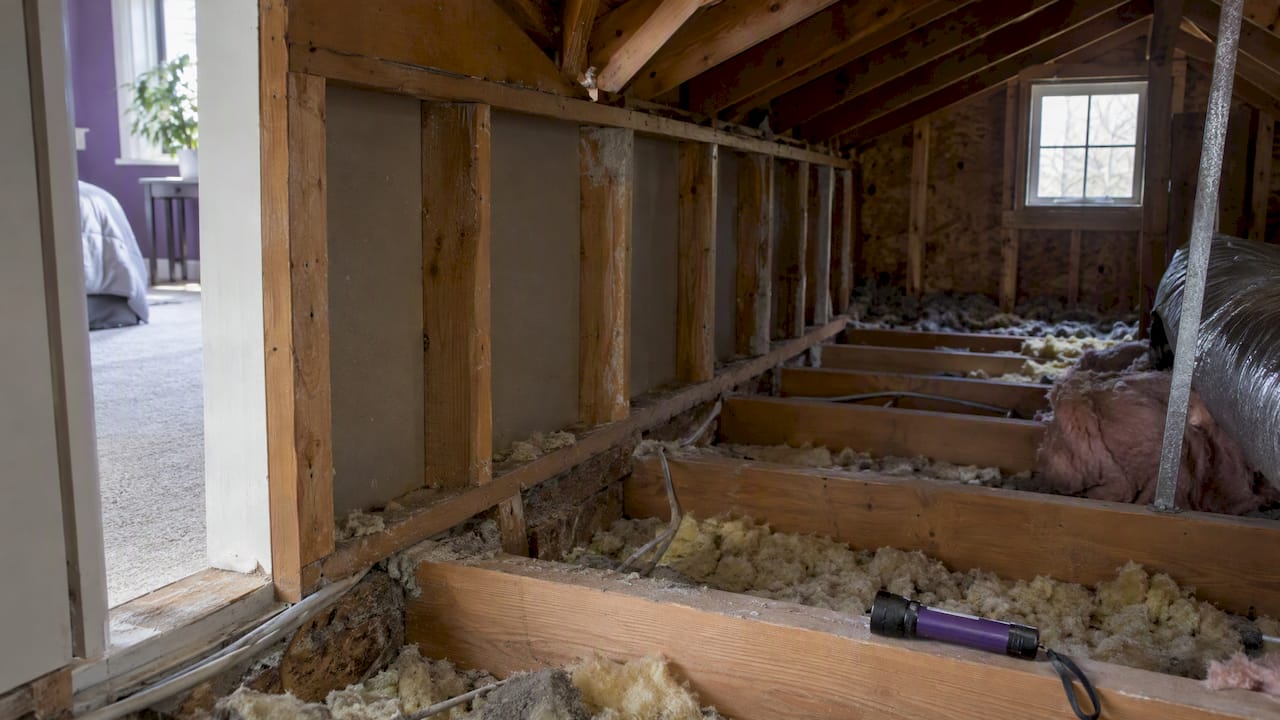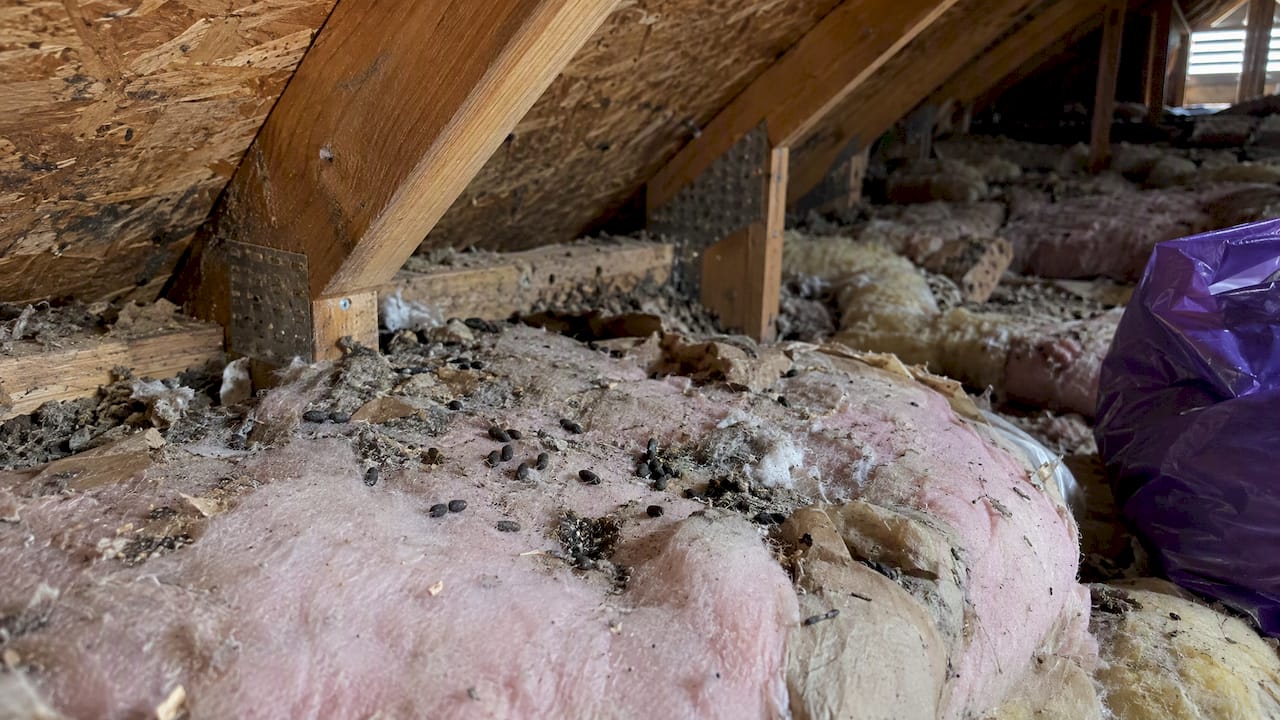

Sweating ducts in your attic mean warm, humid air is hitting a cold duct surface and condensing, the same way a glass of ice water beads up on a summer porch. The fix order matters: dry any wet spots, seal the leaks driving cold air out and humid air in, then insulate to at least R-8. Do not cover damp insulation with tape or bury a leaking duct. That traps moisture and turns a minor issue into rot or mold.
TL;DR:
- Sealing leaks, insulating to at least R-8, and drying ducts before insulation are essential steps to prevent sweating of attic ducts.
- Common causes include missing or thin insulation, duct leaks, restricted airflow, and improper venting of exhaust fans into the attic.
- Quick fixes like replacing filters, sealing obvious gaps with foil tape, and running dehumidifiers can limit water damage temporarily.
- An inspection on a hot, humid day using a flashlight and a dust mask helps identify the severity of condensation and leaks.
- Addressing attic humidity through ventilation and sealing top-plate leaks is crucial, as even well-insulated ducts can sweat if the attic environment remains humid.
Table of Contents
- What Causes Sweating Ducts in an Attic
- How to Inspect Your Ducts and Judge How Bad It Is
- Quick Fixes to Stop the Dripping Today
- The Right Long-Term Fix: Dry, Seal, Insulate, Verify
- Fixing Attic Ventilation and Humidity, Not Just the Ducts
- When to Call a Professional
- A Systems Approach Beats a Quick Patch
- Getting a Professional Attic Assessment
- Sources
What Causes Sweating Ducts in an Attic
Condensation forms when the air touching a duct’s metal surface cools below its dew point, the temperature at which moisture stops staying invisible and turns to liquid.
A few conditions usually stack together to cause it:
- Thin or missing duct insulation. Code guidance calls for insulating ducts in unconditioned spaces to a standard minimum level, and older homes frequently have half that or none.
- Leaky joints and connections. The Department of Energy estimates that 20 to 30% of conditioned air escapes through duct leaks in a typical system, and every leak is also an entry point for humid attic air to reach a cold surface.
- Restricted airflow. A clogged filter or dirty coil forces the system to push air harder over less surface area, which can drop supply air well below normal and intensify sweating.
- Bathroom or dryer exhaust venting into the attic instead of outside. Warm, saturated exhaust air hitting cold ductwork or roof framing is one of the most overlooked causes homeowners never think to check, according to InterNACHI’s inspection guidance on uninsulated exhaust ducts.
How to Inspect Your Ducts and Judge How Bad It Is
Inspect on a hot, humid afternoon with the AC running, since that’s when sweating shows up worst. Wear a dust mask and use a flashlight. Watch your footing on joists, and never step on the drywall between them.
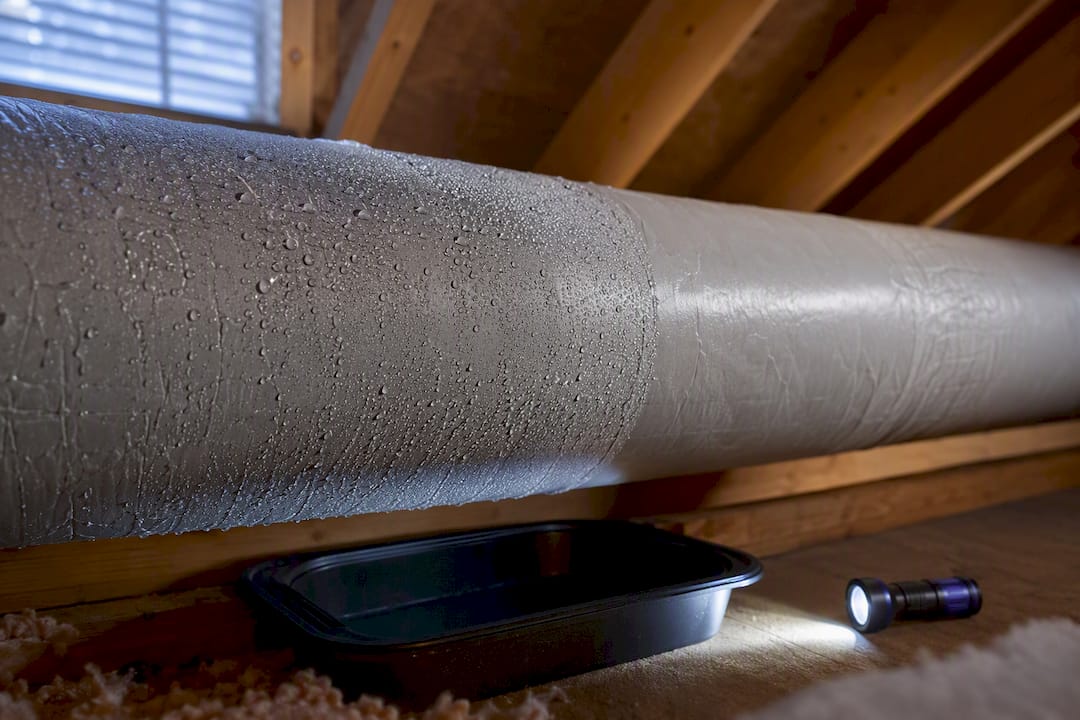
- Look before you touch. Fine beads of moisture on a duct’s underside are common and usually minor. Streaming water, drips, or soaked insulation are not.
- Check the insulation jacket. If it’s wet, compressed, or has slid off a seam, that section is no longer doing its job.
- Trace stains back to their source. A ceiling stain below an attic duct almost always means the sweating has been going on longer than you realized.
- Feel for airflow at the register. Weak airflow at a supply vent often means a coil or filter problem upstream that’s driving colder-than-normal duct temperatures.
- Confirm exhaust fans exit the roof or wall, not the attic itself.
Pro Tip: If you can hold your hand under a duct joint and feel a stream of cold air escaping, that leak is likely large enough to test with a duct blower, not just tape over.
Beads of condensation that dry up once the AC cycles off are a watch-and-monitor situation. Dripping, pooling, or any sign of mold means stop and get it assessed before doing anything else.
Quick Fixes to Stop the Dripping Today
None of these replace a real repair, but they buy time and limit water damage while you plan one.
- Swap the air filter and check the coil. A dirty filter or frosted coil drops supply air temperature and worsens sweating throughout the whole system.
- Bump the blower speed if outlet air feels unusually cold. Very low airflow concentrates cooling on less surface area, which can push supply temperatures into the low 40s°F, a near-guarantee of condensation.
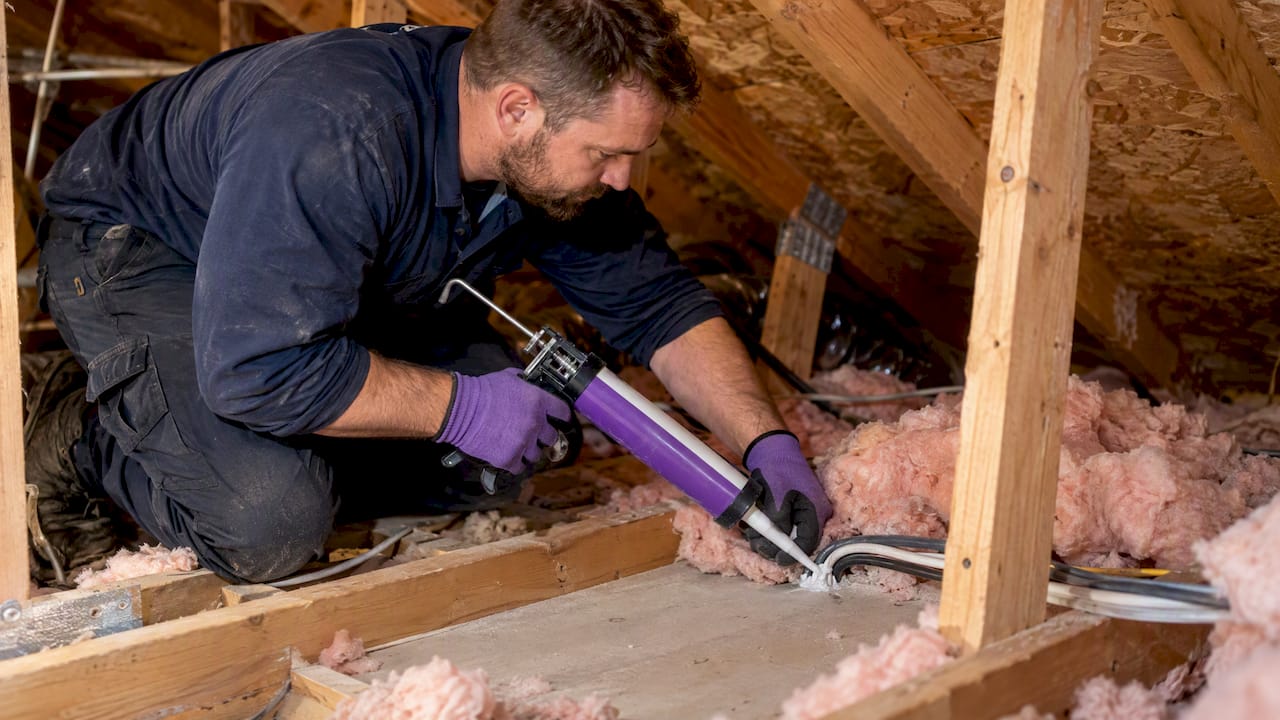
- Seal obvious gaps with UL 181B-rated foil tape, not standard cloth duct tape, which loses its adhesive within a season or two in attic heat swings.
- Run a portable dehumidifier in the attic or extend bathroom fan runtime to pull humidity down while you wait on a permanent fix.
- Remove and don’t reuse soaked insulation. Wet fiberglass loses R-value and becomes a mold risk if it’s left in place.
Pro Tip: Set a shallow pan or towel under an active drip only as a stopgap. If you’re still checking it daily after a week, that’s your sign the “temporary” fix has become the permanent problem.
The Right Long-Term Fix: Dry, Seal, Insulate, Verify
Skipping the order here is the single most common mistake homeowners make. Insulating over a wet or leaking duct doesn’t stop the sweating. It just hides it inside the wrap until the moisture rots the duct board or grows mold you can’t see.
The sequence that actually works:
- Dry the surface completely before anything touches it.
- Seal every seam and joint with mastic or UL 181B foil tape. Cloth tape is not an acceptable substitute and code inspectors will flag it.
- Insulate to R-8 minimum for ducts in unconditioned attics, per widely referenced IMC and IRC duct system provisions. In hot, humid climates, contractors sometimes bury ducts directly in attic insulation, but that only works with airtight ductwork rated below roughly 5% leakage at 25 pascals and R-13 insulation, according to Building Science Corporation’s research on buried duct performance.
- Verify the work with a duct blower test, which pressurizes the system and measures actual leakage rather than guessing from a visual check.
Sealing alone typically closes a meaningful share of that 20 to 30% air loss, which means less humid air infiltrating the duct system and lower utility bills as a side benefit. Learn more about how proper insulation controls moisture throughout the home.
Fixing Attic Ventilation and Humidity, Not Just the Ducts
A duct can be perfectly sealed and insulated and still sweat if the attic itself is a swamp. Ventilation and moisture control at the attic level matter as much as anything done to the ductwork.
- Balanced intake and exhaust ventilation keeps attic air moving instead of trapping humidity near the roof deck, in line with general IRC ventilation guidance.
- Blocked soffit vents or baffles are a common, invisible cause of stagnant, humid attic air. Baffles that keep the ventilation path clear make a bigger difference than most homeowners expect.
- Bathroom and dryer exhaust must terminate outside the attic, never dump into it, and any gaps around the vent hood need sealing.
- Seal top-plate and attic-floor air leaks so conditioned indoor air stops leaking upward and adding humidity where it doesn’t belong.
- Add a dehumidifier or consider a conditioned attic assembly if ventilation fixes alone can’t keep humidity down in a particularly damp climate.
When to Call a Professional
Some situations are worth handling yourself. Others aren’t. Call a professional when you see any of the following:
- Water is streaming or dripping, not just beading, especially over insulation, wiring, or living space below.
- You spot mold or a musty smell anywhere near the ductwork or attic decking.
- Sweating comes back after you’ve sealed and insulated on your own, which usually points to a hidden leak or airflow problem you haven’t found yet.
- The attic is hard to access safely, whether from low clearance, blown-in insulation depth, or knob-and-tube wiring.
A qualified contractor will run a duct blower test to quantify leakage, reseal with mastic or UL 181B tape, correct insulation to code R-value, and address any mold that’s already taken hold. Before hiring anyone, ask what testing method they use, what sealing materials go into the scope of work, whether the estimate is written, and whether there’s a warranty behind the labor.
A Systems Approach Beats a Quick Patch
Most homeowners treat sweating ducts as one problem with one fix. It’s really three overlapping systems: attic humidity, duct leakage, and insulation condition. Tape over a leak without drying it first, or insulate over a wet duct, and the moisture just moves somewhere you can’t see it. If sweating keeps coming back after you’ve addressed the obvious stuff, that’s a system-level issue worth a real assessment, not another roll of tape.
— Jim
Getting a Professional Attic Assessment
Persistent duct sweating almost always points to a combination of leakage, thin insulation, and attic humidity working against each other, which is exactly the kind of problem a single DIY fix rarely solves completely. A full inspection can check duct leakage, measure moisture and insulation levels, and provide a written estimate before any work starts.

If mold has already started or you need documentation for an insurance claim, that inspection also flags what needs professional mold remediation versus what’s a straightforward sealing and insulation job. Same-day inspections can be scheduled to see the actual condition of attic ducts instead of guessing from a few beads of water on a hot afternoon. Request your free inspection and find out whether you’re looking at a simple seal-and-insulate job or something bigger. For homes with older or undersized attic insulation overall, it’s also worth reviewing why attic floors need adequate insulation before winter humidity swings make the problem worse.
Sources
The R-8 insulation minimums, the 20 to 30% duct leakage figure, and the sealing recommendations above draw on the Building America Solution Center, Building Science Corporation’s research on buried ducts, IMC duct system code provisions, and Today’s Homeowner’s condensation guide. For related building envelope details, One Day Doors & Closets covers winterizing entry points that also affect indoor humidity.
- Ducts buried in attic insulation — Building America Solution Center (PNNL)
- No-sweat condensation on ductwork and boots in hot humid and mixed-humid climates — Building Science Corporation