There is no federal insulation tax credit available for 2026, as the Section 25C Energy Efficient Home Improvement Credit ended for property placed in service after December 31, 2025. The IRS's 2025 instructions for Form 5695 confirm this termination, stating that credits cannot be claimed for work completed after that date. For Chicagoland homeowners, realistic financial assistance for insulation projects in 2026 comes from utility rebates, such as those offered by ComEd and Nicor Gas, and the Illinois Home Weatherization Assistance Program for income-eligible households. Federal-funded HOMES and HEAR rebates had not launched in Illinois as of mid-2026, so homeowners should not plan projects around them.
There is no federal insulation tax credit for 2026. The Section 25C Energy Efficient Home Improvement Credit ended for property placed in service after December 31, 2025, when the One Big Beautiful Bill Act (Public Law 119-21) cut it short. If your attic was insulated this year, you can’t claim it. If you are planning a job now, the money that is still on the table comes from utility rebates and state programs, not your federal return.
That is disappointing news if you came here hoping for 30% back. It does not make an insulation upgrade a bad idea, though. This guide explains what the credit was, what replaced it for Illinois homeowners, and how to plan an attic project so you don’t leave available money unclaimed.
Is the Federal Insulation Tax Credit Available in 2026?
- The federal insulation credit (Section 25C) is not available for work finished in 2026. The IRS says it can’t be claimed for property placed in service after December 31, 2025.
- Work completed in 2025 could still have qualified. That claim goes on the 2025 return, using Form 5695.
- In 2026, the realistic help for Chicagoland homeowners is utility rebates (ComEd for electric, Nicor Gas for gas) and, for income-eligible households, the Illinois Home Weatherization Assistance Program.
- Federal-funded HOMES and HEAR rebates had not launched in Illinois as of mid-2026, so don’t plan a project around them.
- Rebate rules depend on your utility, your heating fuel and the paperwork, so confirm before you sign anything.
Table of Contents
- What the federal insulation credit was
- Why the 2026 answer is no
- What helps with insulation costs in 2026
- Federal credit versus ComEd rebate: how they compare
- Our perspective: the credit was never the reason to insulate
- How to plan an attic project without the credit
- Is insulating in 2026 still worth it?
- What about other spaces?
- Let us look at your attic
- FAQ
- Sources
What the federal insulation credit was
Section 25C was a nonrefundable credit for energy-saving home upgrades. For insulation and air sealing, it covered 30% of material costs, with a combined annual limit of $1,200 for building envelope improvements. It applied to products purchased and installed between January 1, 2023, and December 31, 2025. Insulation had to meet specific energy code standards to count.
Two details mattered in practice:
- Materials, not labor. The credit was figured on the insulation and air-sealing materials. Installation labor for those items did not count.
- Nonrefundable. It could reduce your tax bill to zero, but it would not produce a refund beyond that. If you owed little tax, you could not use the full amount.
That is why so many pages still rank for this search. Plenty of them were written in 2024 and 2025 when the credit was live, and some haven’t been updated.
Why the 2026 answer is no
The termination is stated in the IRS’s own paperwork. The 2025 instructions for Form 5695 say you can’t claim energy efficient home improvement credits for property placed in service after December 31, 2025. The 2026 draft instructions repeat the termination under “What’s New.”
The phrase that trips people up is “placed in service.” For insulation, that generally means the work is installed and complete. A contract you signed in November 2025 doesn’t count if the crew finishes in January 2026. If a page tells you otherwise, check the date it was published and whether it cites the IRS.
The same law also ended the residential clean energy credit (Section 25D) for expenditures after 2025. That one covered solar, so you won’t find it as a fallback for insulation anyway.
What if you finished work in 2025?
Then you may still be able to claim it. The 2025 credit is claimed on Form 5695 with your 2025 federal return, filed in 2026. Keep the invoice, the manufacturer’s documentation showing the insulation meets the required standard, and proof of payment. A tax professional can confirm how it fits your situation, especially if you also made other upgrades that share the same $1,200 cap.
What helps with insulation costs in 2026
With the federal credit gone, the money has moved to the utility and state level. For Chicagoland, that means three places to look.
Utility rebates: ComEd and Nicor Gas
ComEd serves most of northern Illinois, including the Northwest Suburbs, and Nicor Gas supplies natural gas to many of the same homes. Which program applies depends on how you heat your home and who bills you.
- ComEd runs an energy efficiency program for residential electric customers. According to one Illinois rebate roundup, it offers insulation and duct sealing rebates, and income-eligible customers can get enhanced amounts. The amounts change, so check ComEd’s own site for current figures before you budget.
- Nicor Gas has rebates for gas customers, and its 2026 trade ally materials list being a Nicor Gas customer as a program requirement. The same materials note that the IRS considers certain rebate incentives to be taxable income, so ask a tax professional how a rebate affects you.
We’ve written a separate walkthrough of Nicor insulation rebate caps and invoice rules, which is worth reading before you collect paperwork. The invoice is where most rebate claims go wrong: if it doesn’t itemize the work the way the program requires, the claim can be delayed or denied.
Illinois Home Weatherization Assistance Program (IHWAP)
IHWAP is the state’s program for income-eligible households. It provides free insulation, air sealing and heating system upgrades, typically for households at or below 200% of the federal poverty level. According to a program summary, it can cover up to $20,000 per home for efficiency upgrades and up to $4,000 for health and safety repairs. The same summary notes the home must be structurally sound, and the program can pause if major repairs such as a roof fix are needed first.
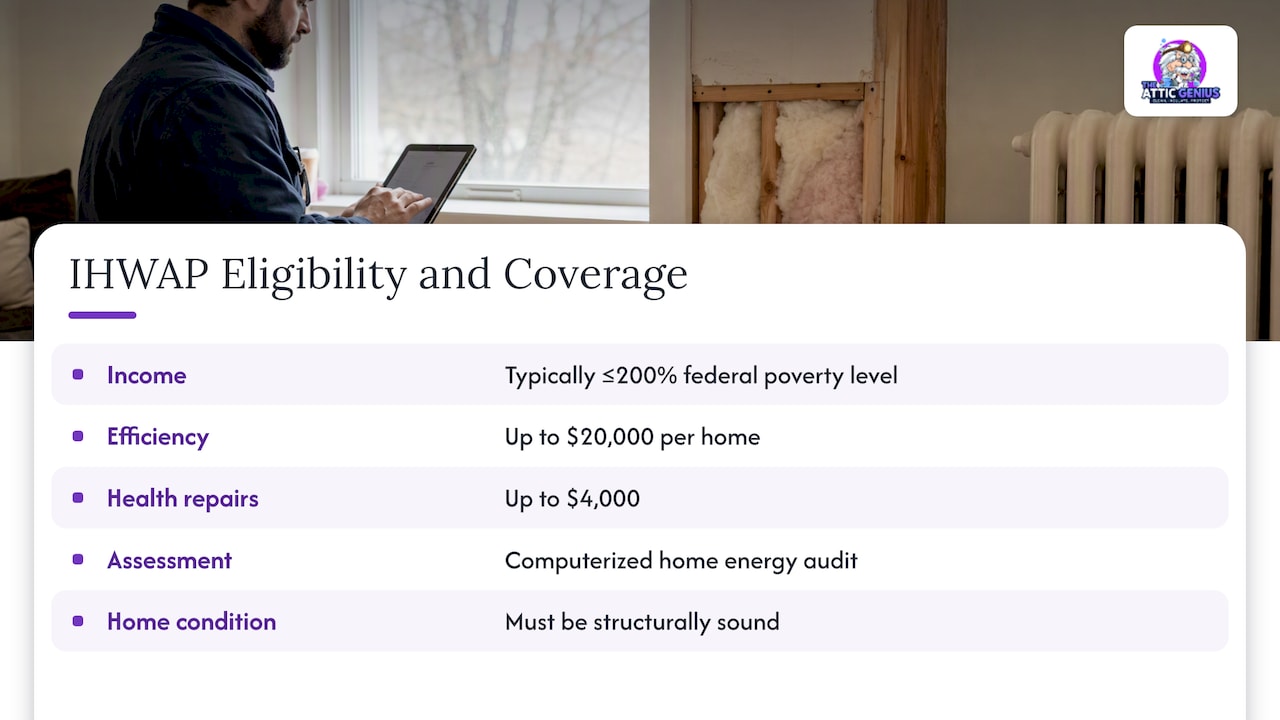
Demand is high. The City of Aurora, which describes how its residents access the program, explains that an energy assessor evaluates the home with a computerized audit. If you think you qualify, contact your local Community Action Agency early, because waiting lists can be long. If you don’t qualify on income, move on to utility rebates rather than waiting.
HOMES and HEAR: don’t count on them yet
The federally funded HOMES and HEAR rebates were created to pay for whole-home efficiency work. As of mid-2026, they had not launched in Illinois and were still awaiting final Department of Energy approval. They are not retroactive. If you finish an attic project before a program opens, you won’t be reimbursed after the fact. Verify the status with the state before you plan around them.
Federal credit versus ComEd rebate: how they compare
The federal credit and a utility rebate work differently, which is why you can’t just swap one number for the other.
| Federal 25C credit (2025 and earlier) | Utility rebate (2026) | |
|---|---|---|
| Status | Ended after December 31, 2025 | Available, with annual program rules |
| Who pays | Reduces your federal income tax | Your utility, after the work |
| Basis | 30% of insulation and air-sealing materials | Set amounts or per-measure caps |
| Limit | $1,200 combined per year for envelope upgrades | Varies by program and utility |
| Needs tax liability | Yes, nonrefundable | No |
| Paperwork | Form 5695 with your return | Application plus itemized invoice |
The practical difference: a rebate doesn’t depend on how much tax you owe. But it often has caps, a program year and specific documentation rules. Treat it as a benefit worth planning for, not a guarantee.
Our perspective: the credit was never the reason to insulate
We get this question every fall, and the honest answer is that the credit was always a small part of the math. A homeowner who spent a few thousand dollars on an attic would have received a few hundred dollars back at most. The bigger numbers are in what the attic does to your heating and cooling bills every year afterward.
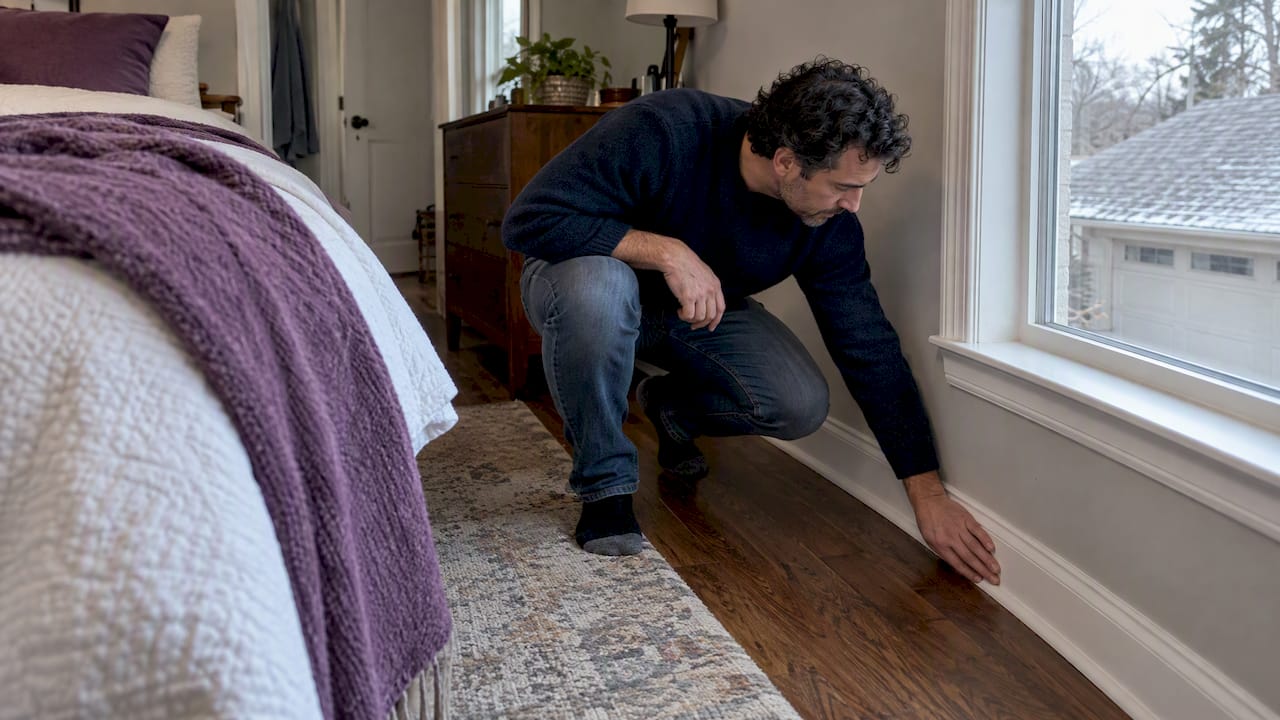
In the homes we visit across the Northwest Suburbs and the western suburbs, the pattern is consistent. Insulation that was installed decades ago has settled or been disturbed. Air leaks around recessed lights, plumbing stacks and attic hatches let conditioned air escape into the attic. In winter, that is warm air going straight to the roof. We’ve also seen that homeowners rarely know any of this is happening, which is why we start with an inspection, not a sales pitch.
Our advice on rebates is practical:
- Don’t delay a needed fix waiting for a program to reopen. If your attic has wet insulation, mold, or pest waste, those problems get worse with time. They also usually have to be dealt with before new insulation goes in.
- Ask for an itemized invoice up front. Rebate programs often require one. We provide upfront pricing and written warranties, so the paperwork you need for a claim should be straightforward.
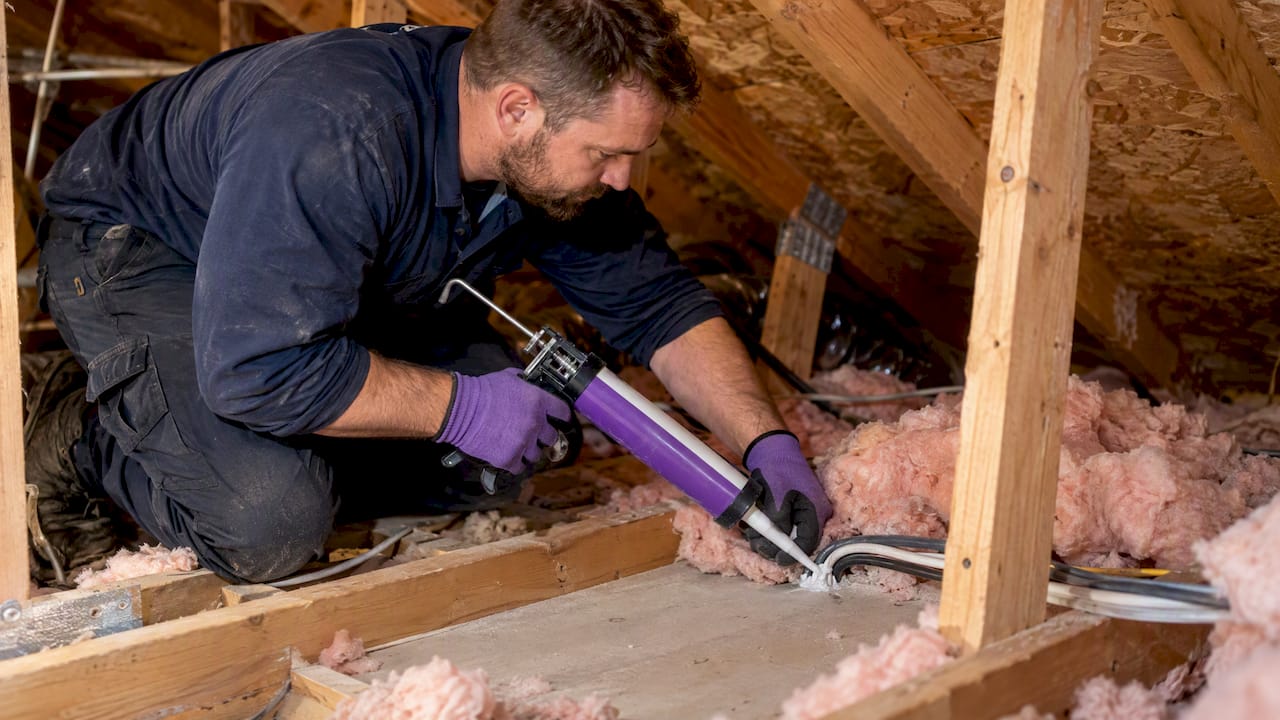
- Get the air sealing done with the insulation. Insulation without air sealing underperforms, because air moving through the insulation carries heat with it. Our air sealing services are designed to pair with the insulation work.
- Be skeptical of anyone still advertising the federal credit for 2026. If a contractor says you’ll get 30% back on a job finished this year, ask them to show you the IRS source.
We would rather tell you the credit is gone than let you build a budget around money that isn’t there.
— Jim
How to plan an attic project without the credit
Here is the order we suggest, whether or not you end up using a rebate.
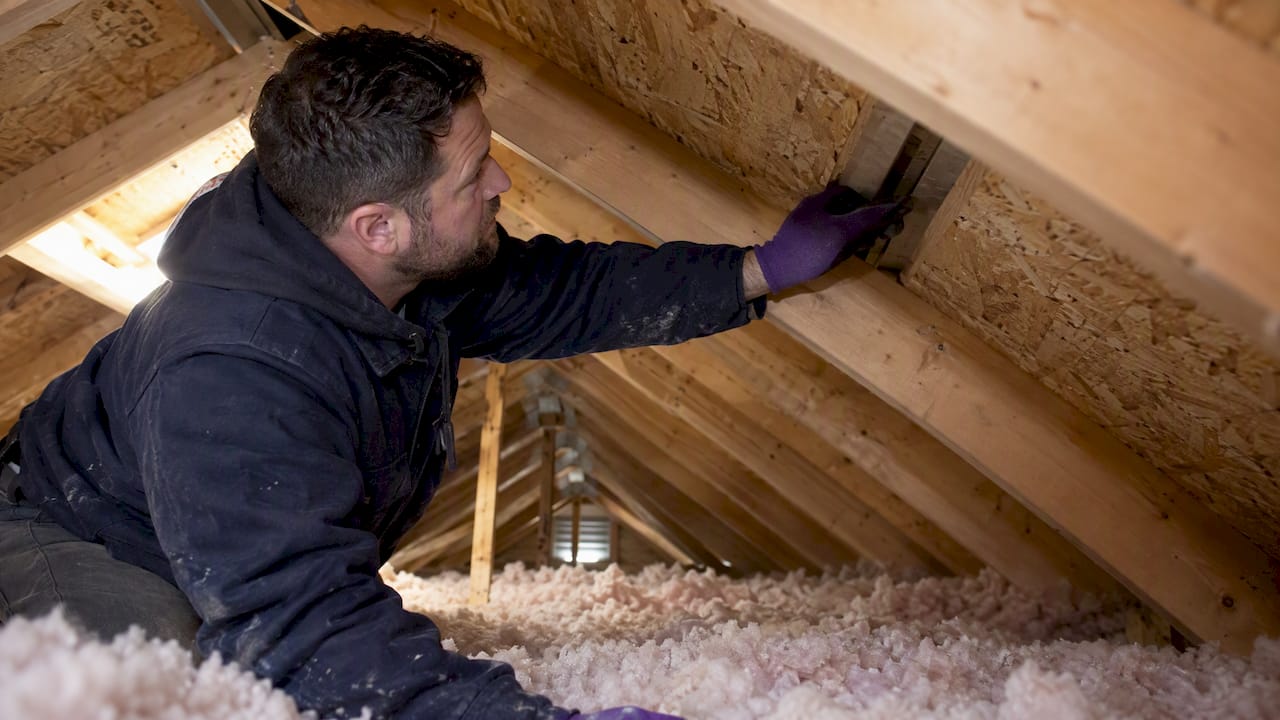
- Get an inspection. Find out what you have: insulation type and depth, air leaks, ventilation, moisture, signs of pests. Our team offers free inspections, and same-day scheduling is available.
- Fix what’s wrong first. Moisture, mold and pest waste need attention before insulation goes over them. Our moisture and mold remediation and pest cleanup work handle that step.
- Check ventilation. Blocked soffits and missing baffles cause trouble in winter and summer. Our guide on soffit versus gable vents explains what to look for, and our attic ventilation solutions page shows what we can do.
- Ask which rebates apply to your utility account. Check your ComEd or Nicor Gas account before work starts. Some programs have pre-approval or documentation requirements.
- Keep your records. Save the invoice, any product specs and proof of payment. Even without a tax credit, they help with rebates, warranty claims and a future home sale.
A well-maintained heating and cooling system helps the whole picture too. If you want to pair insulation with better system upkeep, these HVAC habits are a useful starting point.
Is insulating in 2026 still worth it?
Yes, for most older homes, though the answer depends on what’s in your attic now. Without a credit, the payback comes from lower energy bills, a more comfortable house, and fewer moisture problems. Here are the situations where we see the clearest case for acting:
- Rooms over the garage or at the ends of the house that are always too hot or too cold
- Ice dams on the roof edge in winter
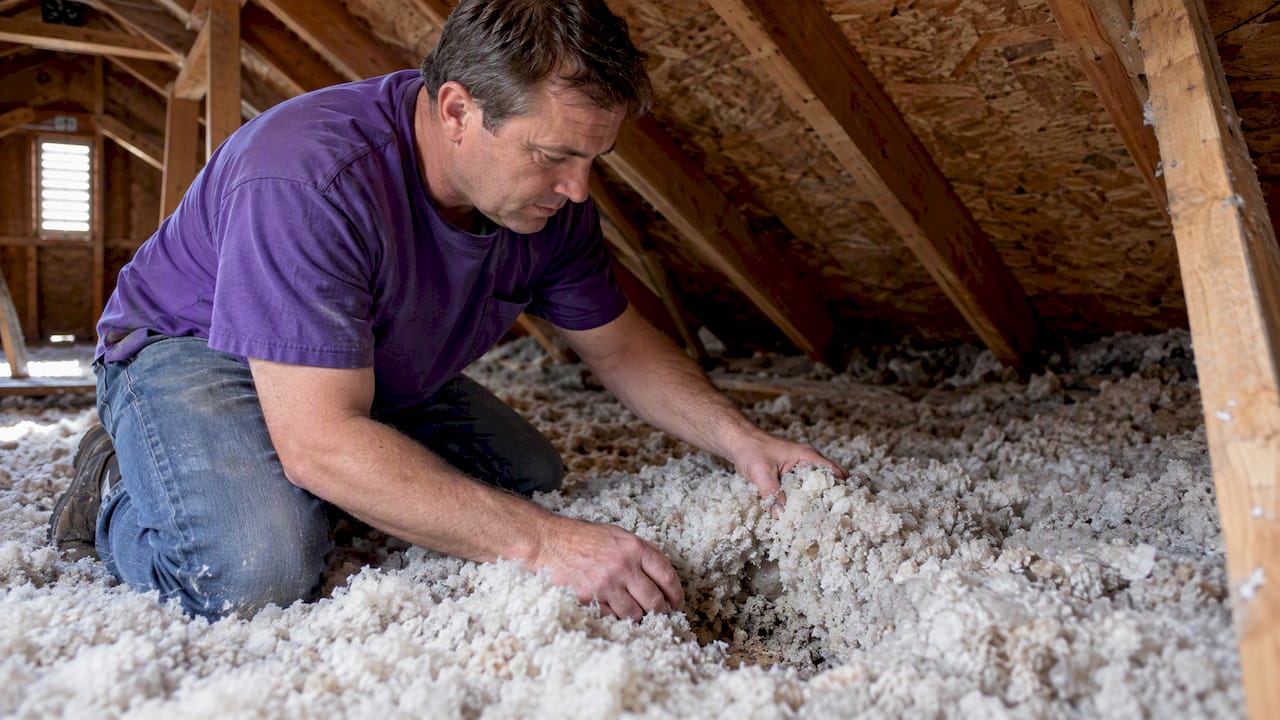
- Insulation you can see below the tops of the joists, or flattened and uneven
- Past roof leaks, a musty smell, or dark staining on the attic wood
- A home you plan to sell. Our guide to insulating before selling covers the buyer side.
If you’re unsure, our signs your attic needs an upgrade checklist is a quick way to see where you stand.
What about other spaces?
The same logic applies beyond the attic. Garages with living space above them, and basements or crawl spaces with cold floors above them, lose heat in the same way. If you’re already planning an attic job, ask us about garage insulation and basement and crawl space insulation in the same visit. We can inspect all of these areas together.
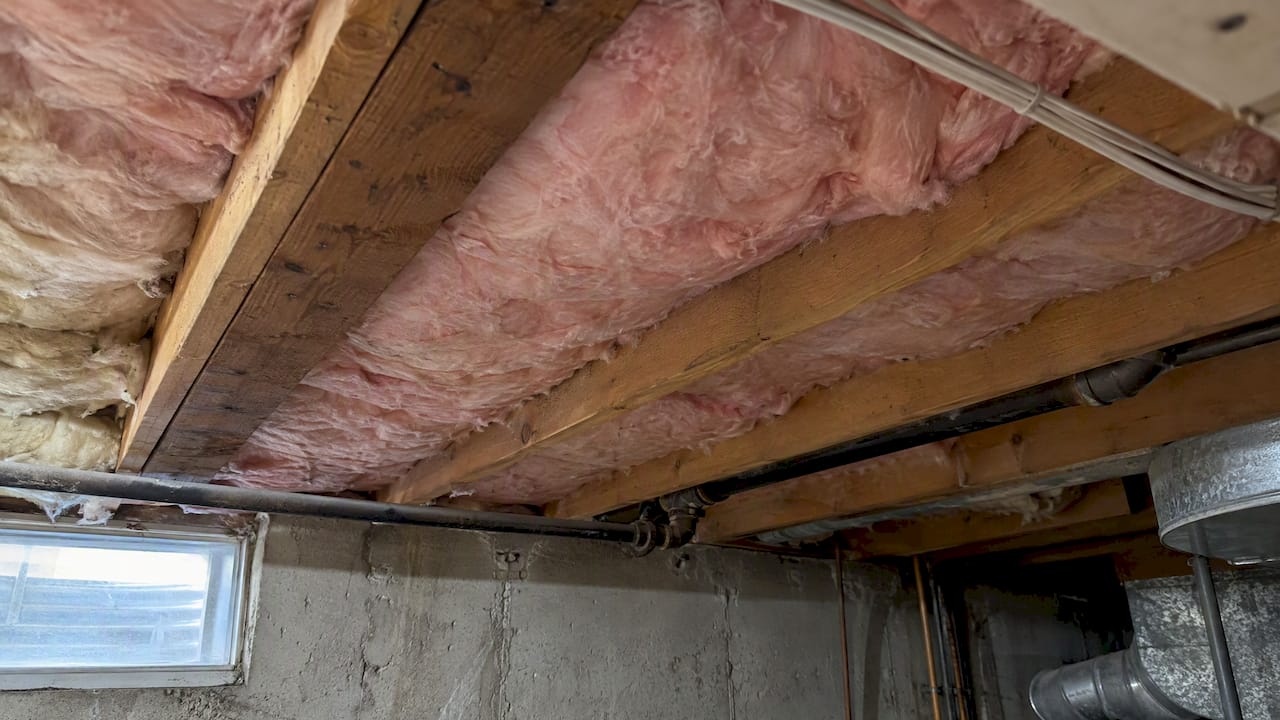
Business owners have options too. The 2026-2027 Illinois energy resources guide notes that small businesses can now get incentives for air leak sealing, insulation and other weatherization measures through the Small Business Direct Install program, though availability varies by utility territory.
Let us look at your attic
If you’re in the Northwest Suburbs, the western suburbs or southern Wisconsin, The Attic Genius can inspect your attic, tell you what it needs, and give you upfront pricing in writing. We have 25+ years of combined experience on the team, more than 400 combined five-star reviews, and written warranties on our work. If you’d like to know which program may apply to your project, we can tell you what paperwork to expect. For a full look at the tax side, see our page on what changed in attic insulation tax credits for 2026.
FAQ
Can I claim a federal tax credit for insulation installed in 2026?
No. The IRS states the energy efficient home improvement credit can’t be claimed for property placed in service after December 31, 2025. Insulation finished in 2026 doesn’t qualify, even if you signed the contract earlier.
Can I still claim the credit for insulation I installed in 2025?
Possibly. Work placed in service in 2025 fell under the old rules, which allowed 30% of material costs up to a combined $1,200 for envelope upgrades. You claim it on Form 5695 with your 2025 return. A tax professional can confirm how it applies to your situation.
What replaced the credit for Illinois homeowners?
Utility programs, mainly ComEd for electric customers and Nicor Gas for gas customers, and the Illinois Home Weatherization Assistance Program for income-eligible households. Each has its own eligibility rules and amounts, so check your utility account first. The federally funded HOMES and HEAR rebates had not launched in Illinois as of mid-2026.
Does a utility rebate work the same way as a tax credit?
No. A tax credit reduces your federal tax bill, while a rebate is paid by the utility after you submit an application and an invoice. Rebates have caps and rules that change by program year. Some utility incentives may also count as taxable income, so ask a tax professional.
Sources
- IRS FAQs on the One Big Beautiful Bill energy provisions
- ENERGY STAR: Insulation Tax Credit
- IRS 2025 Instructions for Form 5695
- Illinois Energy Rebates 2026
- Nicor Gas 2026 Energy Efficiency Program overview
- Home Weatherization in Illinois: How to Qualify
- City of Aurora: Utility Bill Assistance
- Illinois Energy Resources Guide 2026-2027