by | Aug 7, 2026 | Uncategorized
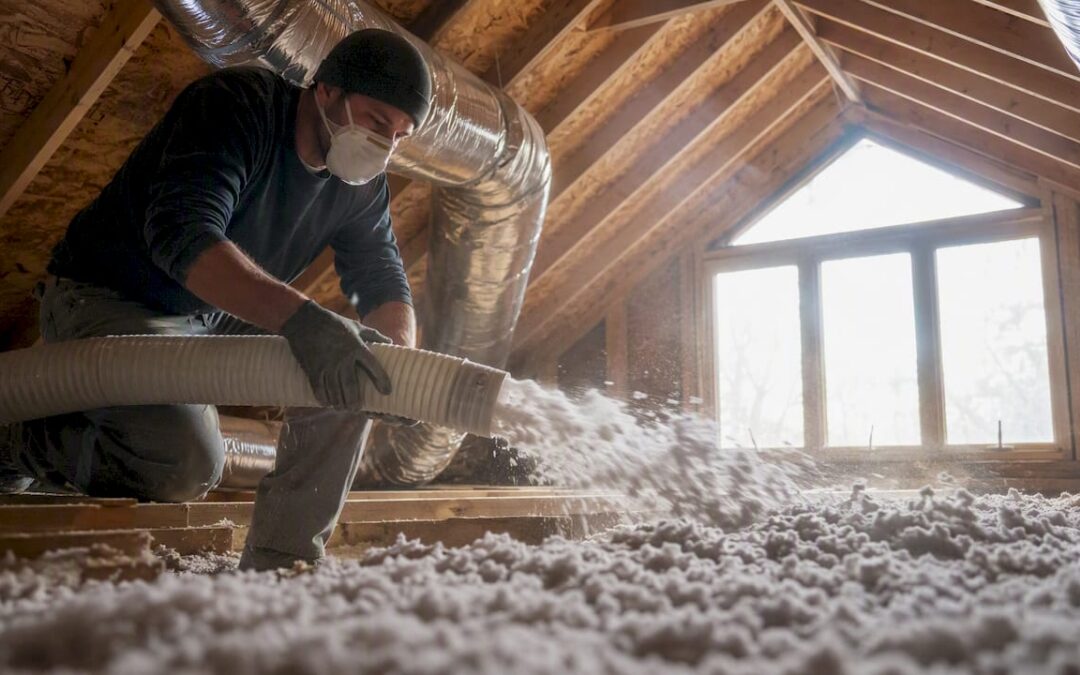
DIY insulation saves real money on simple attic top-ups. Hire a professional when your attic has contamination, active moisture, knob-and-tube wiring, or when the job calls for spray foam, dense-pack walls, or meaningful air sealing. According to Energy.gov, combining...
by | Aug 6, 2026 | Uncategorized
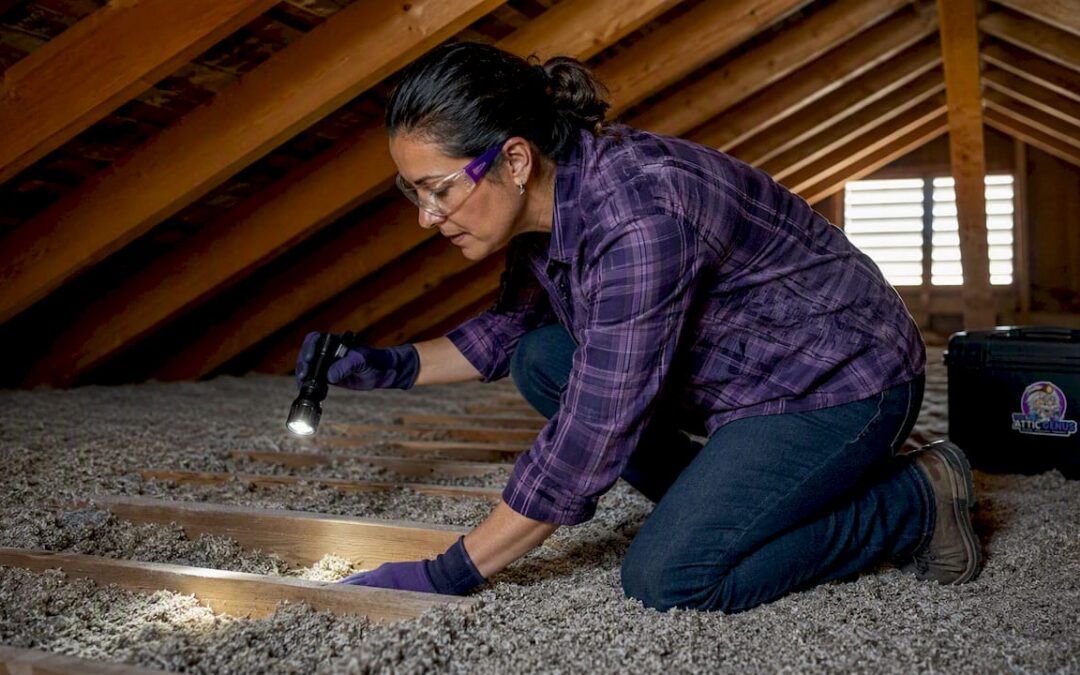
Gaps in insulation matter because they let air and moisture bypass your thermal barrier, and that air movement can erase much of the R-value you paid for. The fix is not just adding more insulation. You need to air-seal the bypasses first, then top up. Do those two...
by | Aug 5, 2026 | Uncategorized
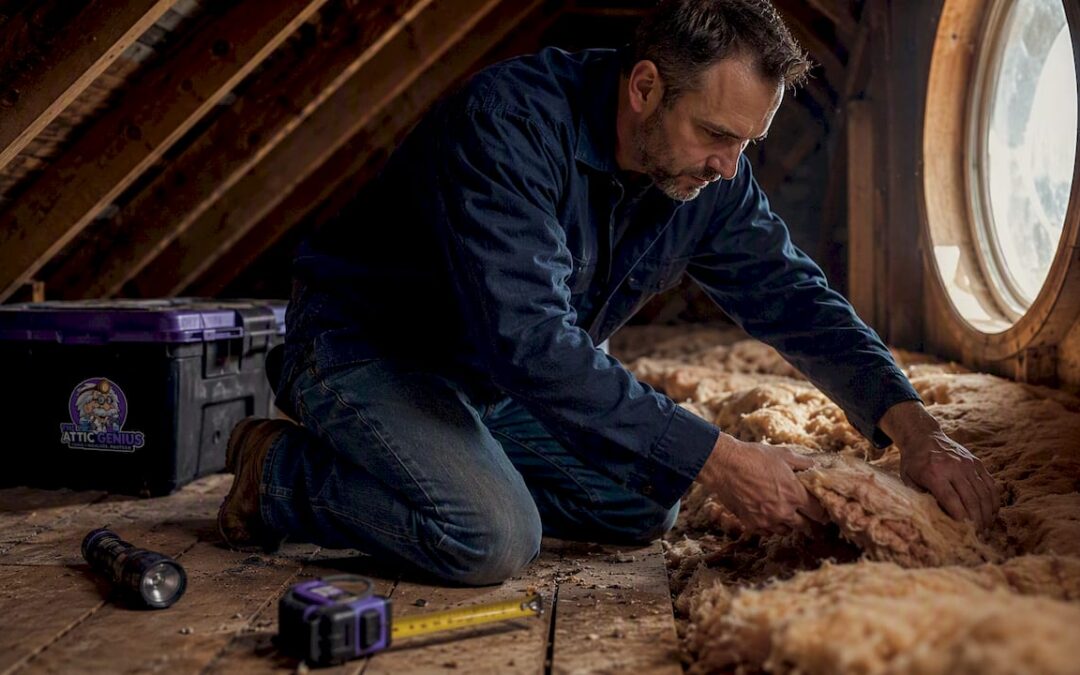
Old insulation loses effectiveness when its ability to trap still air is physically or chemically destroyed. Settling, moisture, pest damage, and air movement are the four leading causes, and each one reduces thermal resistance (R-value) in a different way. The U.S....
by | Aug 4, 2026 | Uncategorized
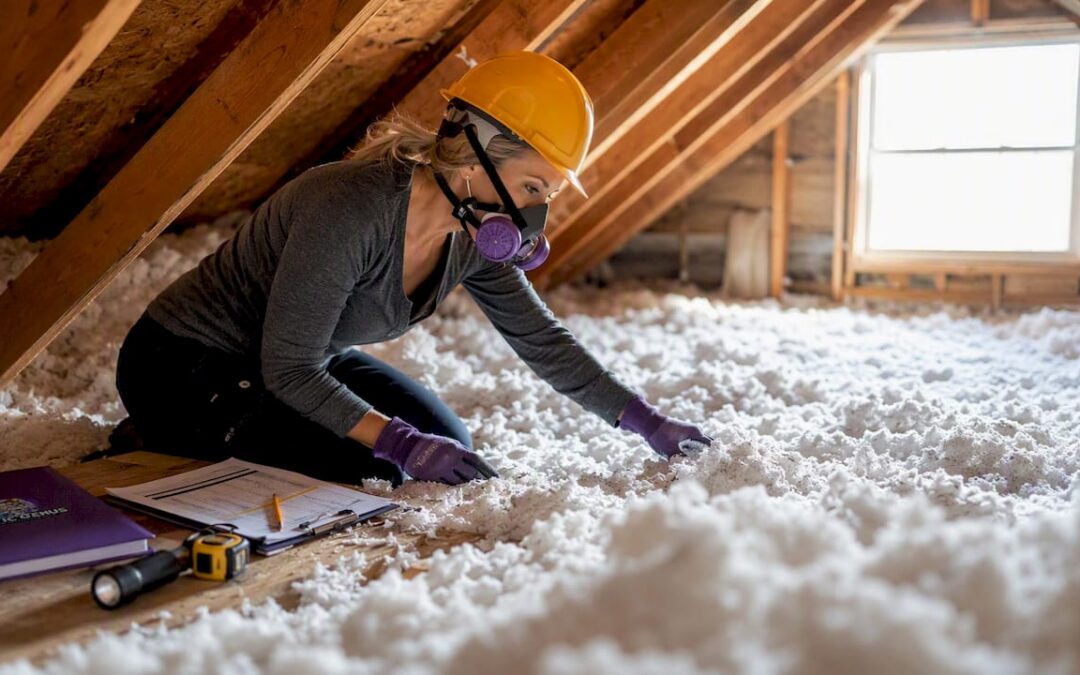
Attic insulation is a magnet for nesting animals because it delivers three things every creature needs: warmth, concealment, and material that shreds easily into a cozy nest. Mice, squirrels, raccoons, bats, and birds all exploit the same basic physics — your...
by | Aug 3, 2026 | Uncategorized
ARC Insulation’s customer reviews trend positive overall, with most homeowners praising workmanship quality and crew professionalism, while a smaller but consistent thread of complaints points to scheduling delays and vague warranty follow-up. Before you sign...
by | Jul 31, 2026 | Uncategorized
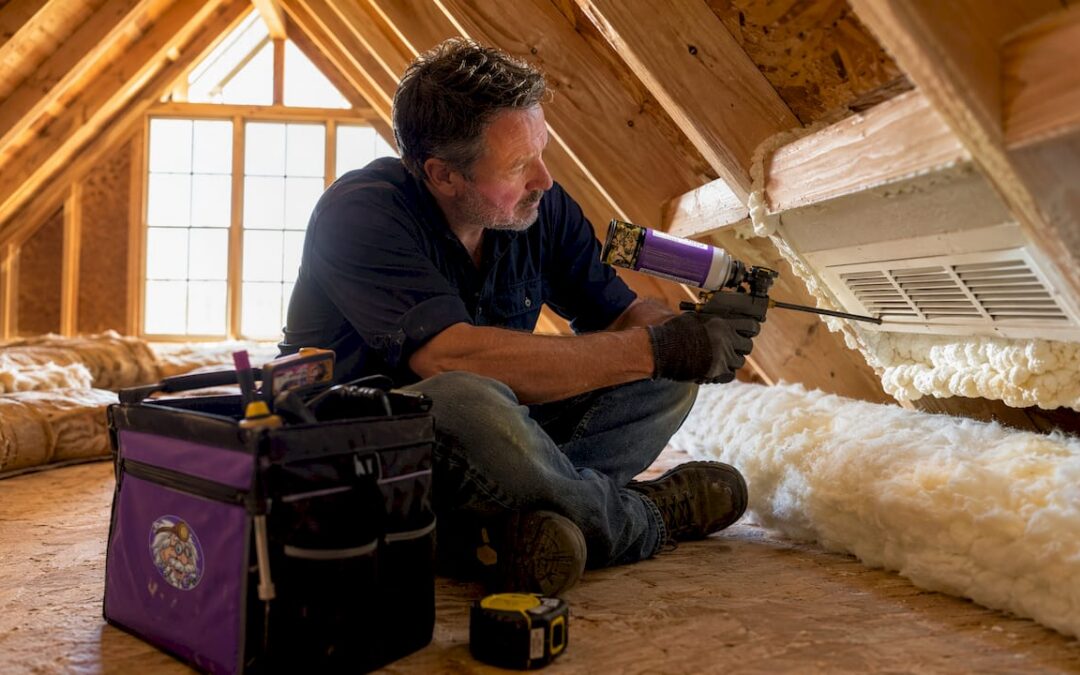
Air seal first, then add insulation to at least R‑49 in most U.S. climates, and keep your ventilation intact. That sequence, done in that order, is what actually moves the needle on your energy bills. EPA and ENERGY STAR estimate homeowners can save roughly 15% on...