A professional attic assessment is a diagnostic inspection that identifies insulation gaps, moisture problems, ventilation failures, and pest activity before they become expensive repairs. Approximately 90% of U.S. homes are under-insulated, meaning most suburban Chicago homeowners are paying more in utility bills than they should. The U.S. Department of Energy links under-insulation directly to energy waste, and the costs compound every season. The Attic Genius has seen this pattern across hundreds of Chicagoland homes. Getting a professional attic inspection done is the fastest way to understand what your home is actually losing.
1. Benefits of a professional attic assessment for energy efficiency
Poor attic insulation is the single biggest driver of high heating and cooling bills in suburban Chicago homes. The DOE reports homes losing up to 20% of energy through under-insulation and air leaks. That translates directly to money leaving your wallet every month, winter and summer alike.
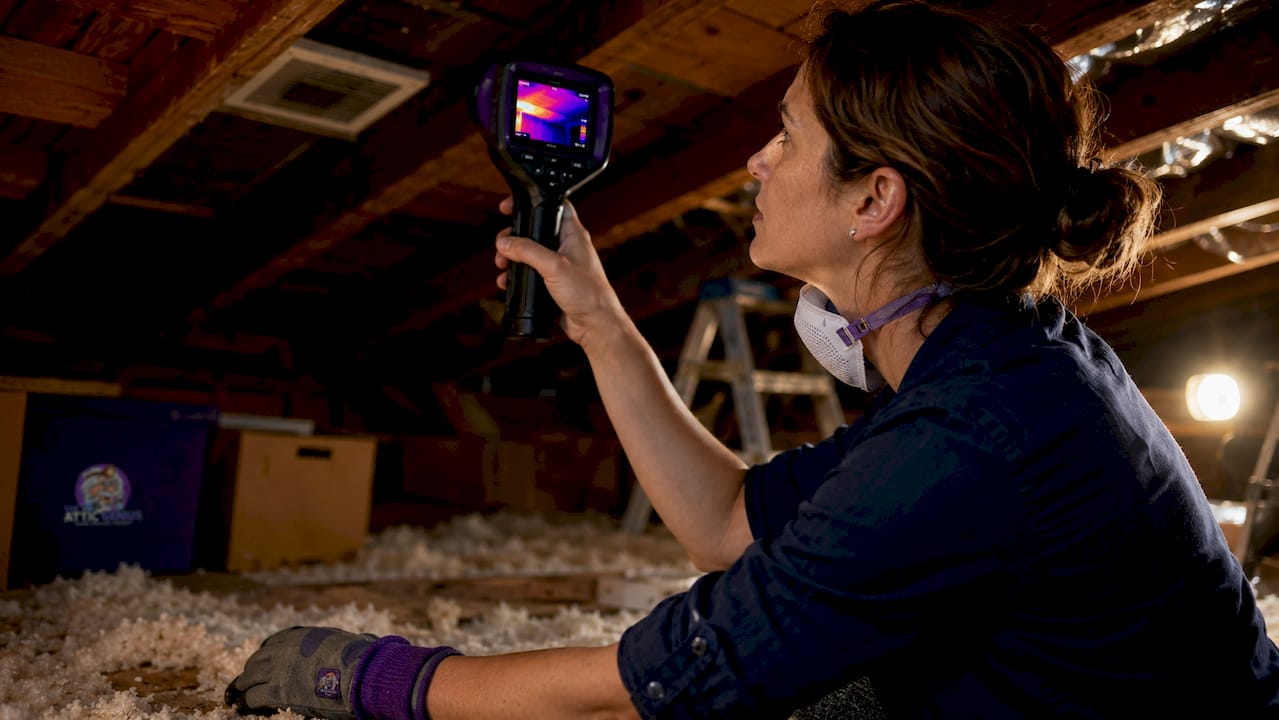
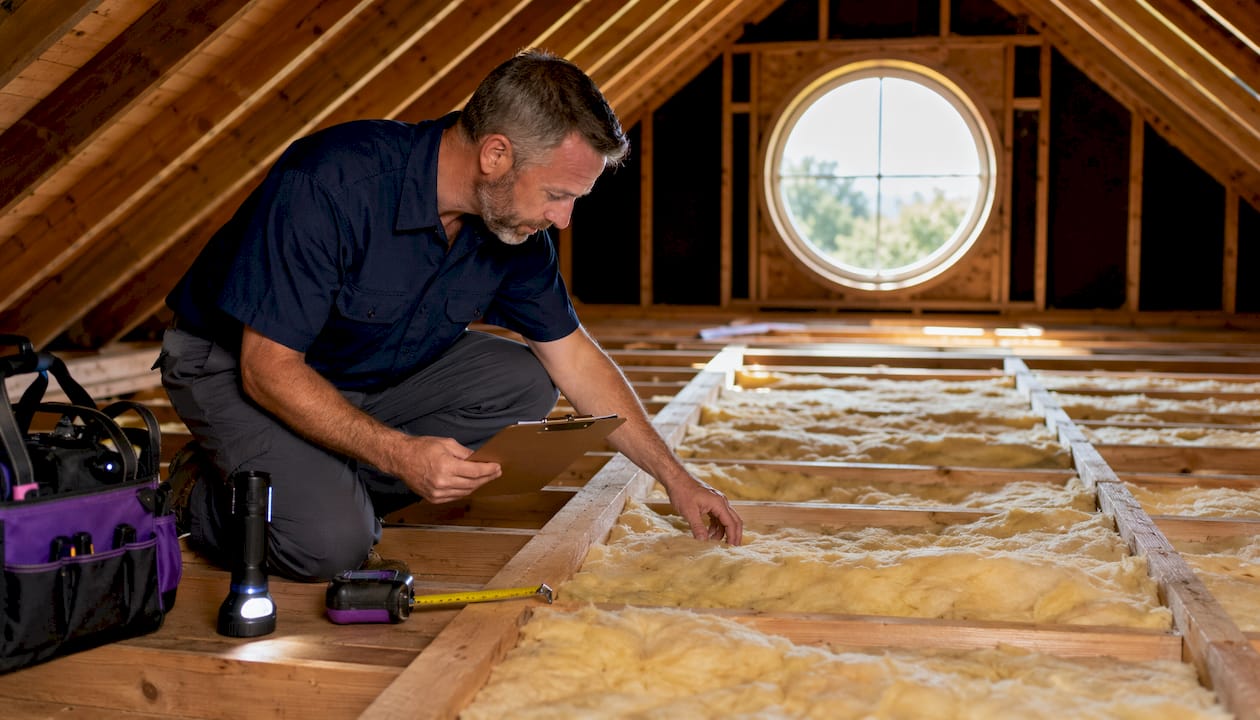
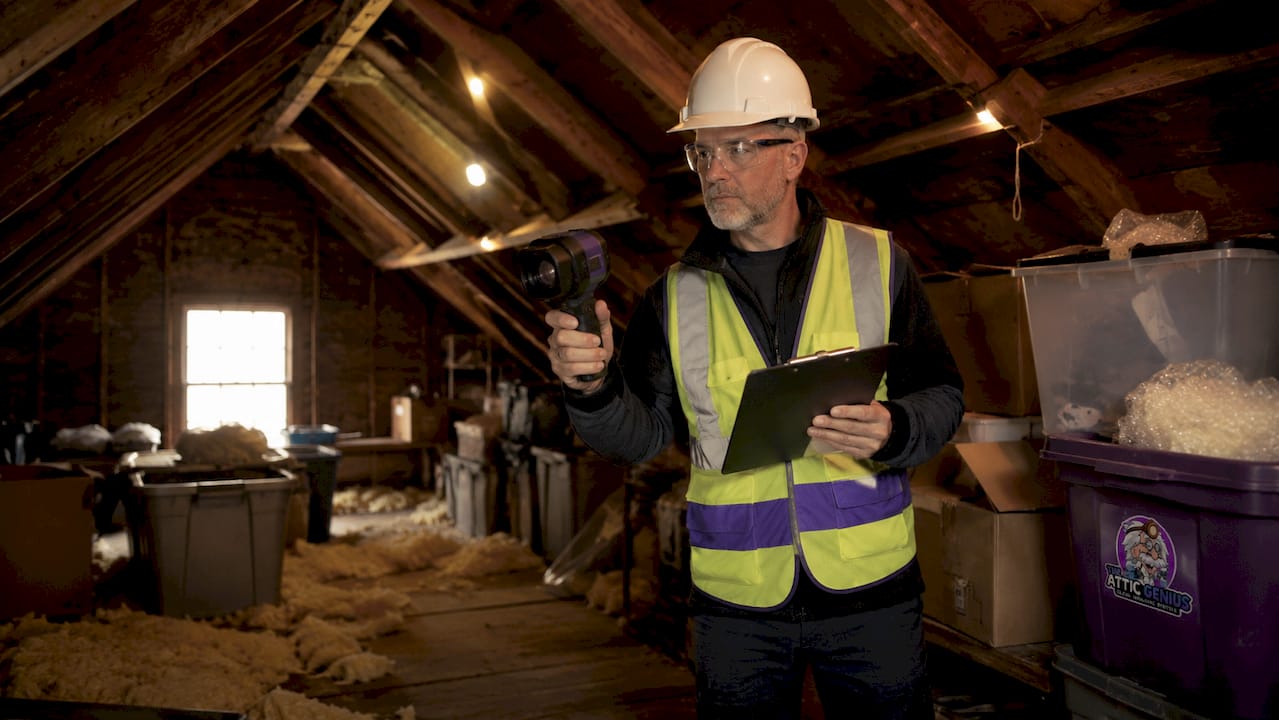
A professional assessment pinpoints exactly where those losses occur. Inspectors use tools like thermal imaging cameras and moisture meters to find insulation gaps and air leak points that are invisible to the naked eye. Without that equipment, you are guessing. With it, you get a clear picture of what needs to be fixed and in what order.
The comfort benefits are just as real as the financial ones. Rooms that run too hot in july or too cold in january often trace back to attic deficiencies. Fixing those deficiencies produces a noticeably more consistent indoor temperature, not just a lower utility bill.
- Thermal imaging reveals cold spots and heat bridges in insulation
- Moisture meters detect hidden dampness before it becomes mold
- Air sealing assessments identify gaps around pipes, vents, and light fixtures
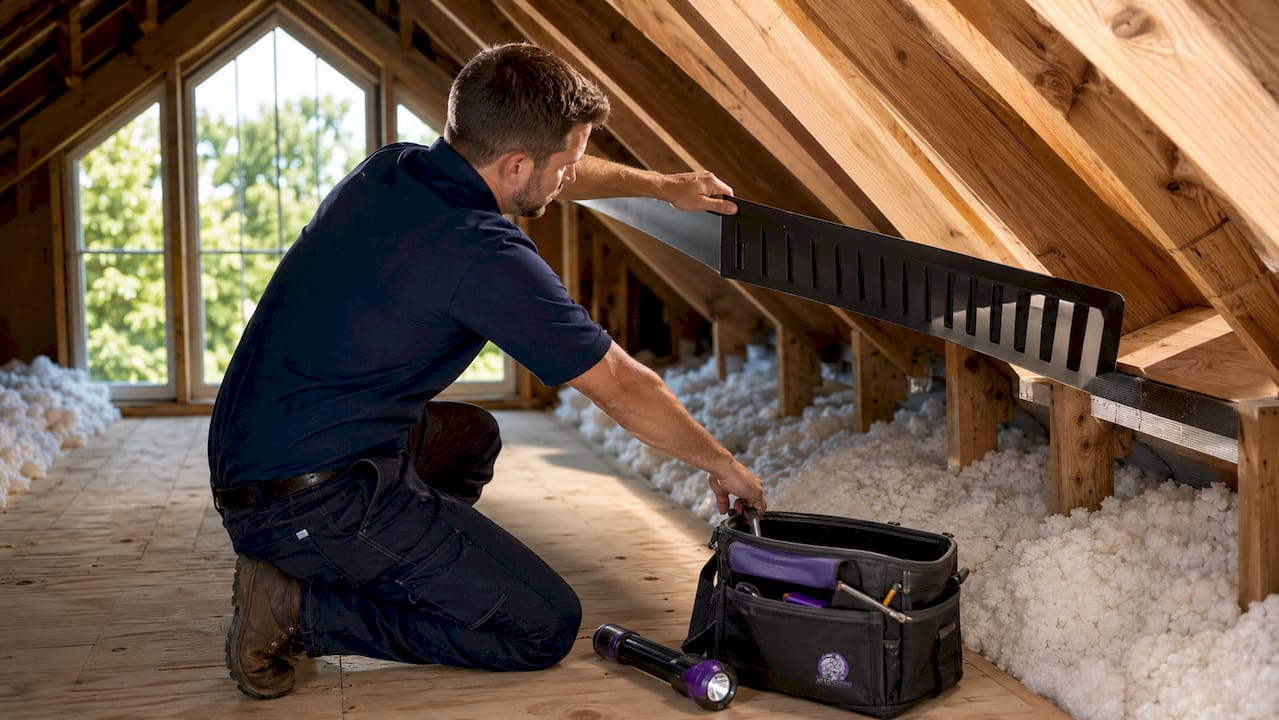
- Ventilation checks confirm airflow is balanced and not trapping heat
Pro Tip: Schedule your assessment in late september or early october. That timing catches summer heat damage before the heating season starts, and gives you time to act before Chicago winters arrive.
2. Detecting moisture, mold, and structural issues early
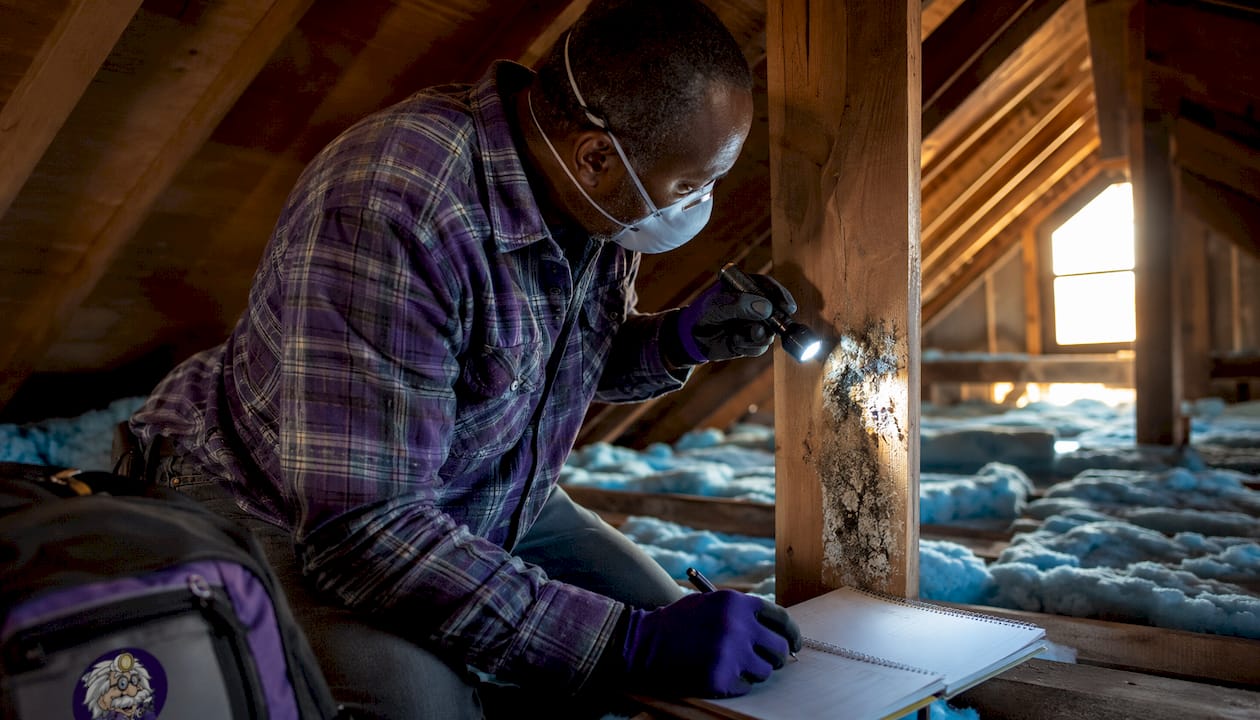
Moisture is the most destructive force in any attic, and it almost always goes undetected until the damage is severe. Poor ventilation traps moisture, leading to mold growth and wood deterioration that threatens both structural integrity and indoor air quality. In Chicago’s climate, where temperature swings are extreme, this risk is higher than in most parts of the country.
A professional assessment catches moisture problems at the source. Inspectors check for condensation on rafters, staining on sheathing, and soft spots in wood that signal rot. These are signs that rarely appear on a casual walk-through but show up clearly with the right tools and trained eyes.
“Attic inspections are diagnostic tools, not pass/fail tests. They help homeowners understand current home health and prioritize maintenance before small problems become structural failures.”
Early detection changes the math entirely. Catching issues early means remediation costs are far lower than if problems spread into living spaces. A small mold patch treated promptly costs a fraction of what full mold remediation costs after the problem has spread through the framing.
- Stained or discolored sheathing signals past or active moisture intrusion
- Soft or spongy rafters indicate wood rot from prolonged dampness
- Frost on the underside of the roof deck in winter points to ventilation failure
- Musty odors in upper-floor rooms often originate in the attic
3. Pest detection and contamination control
Attic pests are a health hazard, not just a nuisance. Mice, squirrels, raccoons, and birds leave behind droppings, urine, and nesting material that contaminate insulation and degrade air quality throughout the home. Professional attic assessments reveal pest infestations and vermin droppings before visible damage reaches living spaces.
The problem with pest contamination is that it hides well. Insulation absorbs droppings and odors, making it nearly impossible to detect without physically inspecting the attic floor and corners. A trained inspector knows exactly where to look and what signs indicate active versus past infestation.
Finding pest evidence during an assessment triggers a clear next step. The Attic Genius coordinates pest waste cleanup alongside insulation removal and replacement, so contaminated material does not stay in the home while repairs are planned. That coordination matters for your family’s health.
- Mouse droppings in insulation carry hantavirus and salmonella risks
- Raccoon latrines in attics contain roundworm eggs that survive for years
- Nesting material from birds and squirrels creates fire hazards near electrical wiring
- Urine-soaked insulation loses its thermal value and spreads odor into living areas
4. What sets professional assessments apart from DIY inspections
A homeowner with a flashlight cannot replicate what a trained inspector does with thermal imaging equipment. Thermal imaging cameras capture insulation gaps and moisture patterns not visible to the naked eye, making professional assessments fundamentally more accurate than any DIY check.
The safety gap is equally significant. Attics in older suburban Chicago homes often have inadequate flooring, exposed nails, and poor lighting. Professionals navigate these conditions safely and know how to move through the space without damaging insulation or creating new air gaps.
Professional assessments also produce documentation. You receive a written report that identifies specific problems, their locations, and recommended fixes. That report is useful for insurance claims, contractor bids, and real estate disclosures. A DIY walk-through produces none of that.
| What you check | DIY inspection | Professional assessment |
|---|---|---|
| Insulation coverage | Visual estimate only | Measured depth and R-value |
| Moisture detection | Visible stains only | Moisture meter readings |
| Air leaks | Felt drafts only | Thermal imaging scan |
| Pest evidence | Obvious signs only | Full perimeter and corner check |
| Documentation | None | Written report with findings |
Pro Tip: Ask your inspector for a written report with photos. That documentation is worth its weight in gold when you are getting contractor quotes or preparing to sell the home.
5. When and how often to schedule attic assessments
Timing an attic inspection correctly maximizes what you learn from it. Suburban Chicago’s climate creates specific windows where attic problems are most visible and most urgent to address.
- After a harsh winter. Chicago winters stress every component of an attic. Ice dams, freeze-thaw cycles, and heavy snow loads can shift insulation, crack seals, and introduce moisture. An inspection in march or april reveals exactly what the winter did.
- Before the cooling season. An assessment in late april or may confirms your attic ventilation can handle summer heat. Trapped heat in june and july drives up air conditioning costs dramatically.
- After any roof work. Roofers sometimes disturb insulation or create new air gaps. An attic check after a roof replacement or repair confirms nothing was compromised.
- When buying or selling a home. A professional assessment differs from a general home inspection by providing a detailed thermal and structural evaluation. Buyers and sellers both benefit from that specificity.
- Every 3–5 years for maintained homes. Homes with no known issues still benefit from periodic checks. Insulation settles, seals age, and ventilation components wear out on timelines that are not obvious without inspection.
- Immediately after visible signs of trouble. Stains on ceilings, sudden spikes in utility bills, or unexplained odors all warrant an unscheduled assessment. The attic reveals long-term evidence of structural stress and leaks that trained professionals interpret before damage spreads.
Seasonal timing recommendations optimize attic health and energy efficiency year-round. Building attic checks into your regular home maintenance calendar is the lowest-cost way to avoid high-cost surprises.
Key takeaways
A professional attic assessment is the most cost-effective way for suburban Chicago homeowners to prevent energy loss, moisture damage, pest contamination, and structural deterioration before repair costs escalate.
| Point | Details |
|---|---|
| Energy savings start with diagnosis | The DOE links under-insulation to up to 20% wasted energy; an assessment finds exactly where losses occur. |
| Moisture detection prevents major repairs | Early identification of mold and wood rot costs far less to fix than damage that spreads into living spaces. |
| Pest evidence requires professional eyes | Inspectors find droppings and nesting material hidden in insulation that homeowners routinely miss. |
| Professional tools change the outcome | Thermal imaging and moisture meters reveal problems that no DIY flashlight check can detect. |
| Timing and frequency matter | Schedule after harsh winters, before cooling seasons, and every 3–5 years for maintained homes. |
What I’ve learned from years of Chicago attic assessments
Most homeowners I talk to are surprised by what we find. They expected a quick look and a thumbs-up. What they get instead is a clear picture of a space that has been quietly working against them for years.
The biggest misconception I correct regularly is that the attic is just storage space. The attic is the primary connection between your living space and outdoor elements, affecting indoor air quality, temperature consistency, and structural health. Treating it as dead space is exactly how small problems become expensive ones.
Chicago homeowners face a specific challenge. The climate here punishes attics harder than most regions. Extreme cold, heavy snow, and humid summers create conditions that accelerate every failure mode: insulation compression, moisture intrusion, ventilation stress. A home in a milder climate can get away with less frequent checks. A home in Schaumburg or Arlington Heights cannot.
My honest advice is this: do not wait for a symptom. By the time you notice a stain on your ceiling or a spike in your gas bill, the underlying problem has usually been building for months. A proactive assessment costs a fraction of what reactive repairs cost. The homeowners who schedule regular checks are the ones who call us with manageable problems, not emergencies.
— Jim
The Attic Genius is ready to assess your home
The Attic Genius serves homeowners across the Northwest Suburbs and greater Chicagoland with same-day inspections, upfront pricing, and written warranties on every job. The team covers insulation assessment, air sealing, attic ventilation, mold remediation, and pest waste cleanup, so you get a complete picture of your attic’s condition in a single visit.

If you are not sure where your attic stands, check the signs your attic needs an upgrade before scheduling. When you are ready, request a free inspection and a member of the team will walk through your attic, document every finding, and give you a clear plan with no pressure and no guesswork on pricing.
FAQ
What is a professional attic assessment?
A professional attic assessment is a diagnostic inspection that evaluates insulation levels, air sealing, ventilation, moisture, and pest activity using specialized tools like thermal imaging cameras and moisture meters. It produces a written report with specific findings and recommended repairs.
How much does a professional attic inspection cost?
Professional attic inspections typically cost between $150 and $400, depending on attic size and scope. That cost is small compared to the repair bills that go undetected problems generate over time.
How often should I get my attic inspected in suburban Chicago?
Schedule an inspection after every harsh winter, before each cooling season, and at minimum every 3–5 years for homes with no known issues. Chicago’s climate stresses attics harder than most regions, making regular checks especially worthwhile.
Can I inspect my own attic instead of hiring a professional?
A homeowner can spot obvious problems like visible mold or large gaps, but cannot replicate the accuracy of thermal imaging or moisture meters. Professional assessments find problems that DIY checks consistently miss, including hidden pest contamination and insulation voids.
What are the main benefits of hiring attic experts over doing it yourself?
Professional inspectors bring calibrated equipment, safety training, and written documentation that DIY checks cannot provide. Attic health hazards like mold spores and vermin droppings also require protective gear and proper handling that most homeowners are not equipped for.