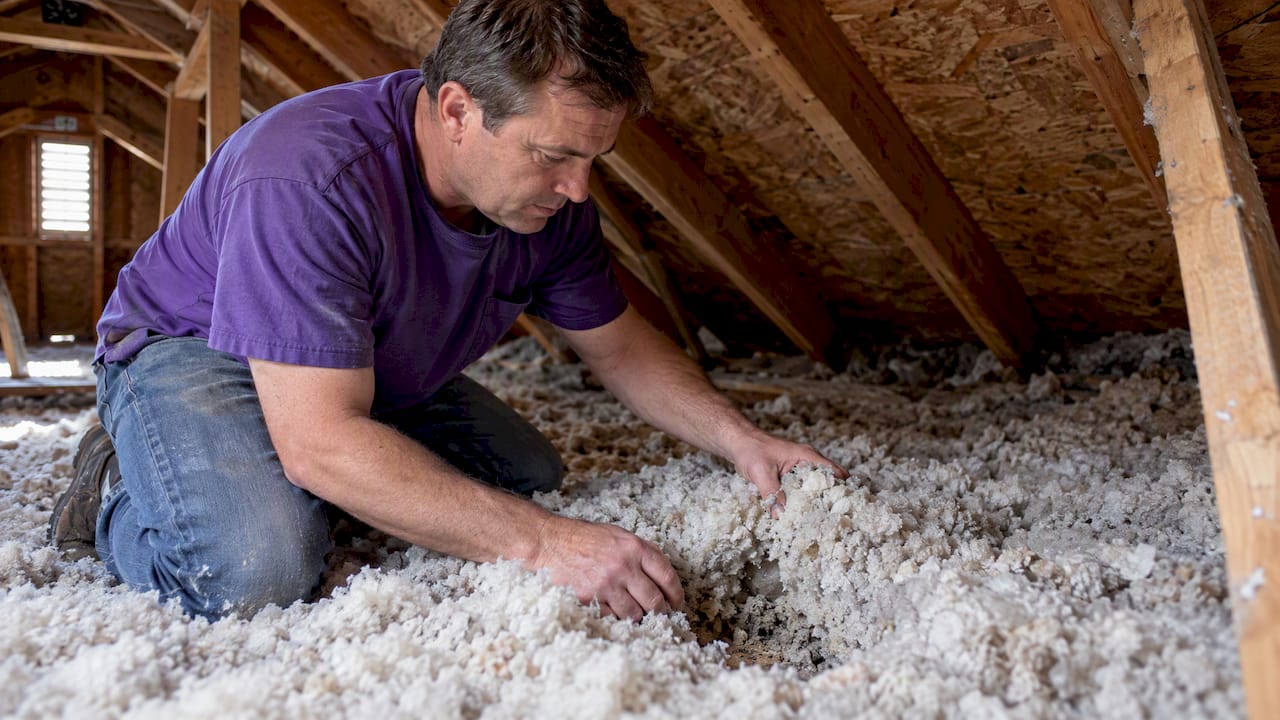
Most attic insulation can last for many years depending on the material, but condition, not age, decides when replacement is actually necessary. Energy Star advises basing that decision on whether insulation is dry, clean, and intact rather than on a fixed calendar date. The Department of Energy sets target R-values by climate zone, and moisture, pests, or compression can undercut those targets well before an insulation’s expected lifespan runs out.
TL;DR:
- Dry, clean, uncontaminated insulation can usually remain in place: air seal first, then add material to reach the R value required for your climate zone.
- Insulation that is wet, moldy, or contaminated by animal waste needs removal first; adding material over it traps moisture or contamination.
- Because vermiculite may contain asbestos, leave it undisturbed and hire accredited asbestos professionals to test or remove it before any attic work begins.
- Stains, mold, droppings, compressed areas, roof deck frost, or unexplained energy bills can signal leaks, pests, poor ventilation, or reduced insulation performance.
- Loose fill fiberglass and cellulose settle or absorb moisture more readily than mineral wool and properly installed spray foam, so check for lost loft.
Table of Contents
- Typical lifespan estimates by insulation material
- How to tell if your attic insulation is failing
- Factors that shorten insulation lifespan
- Should you add over, repair, or fully remove old insulation?
- Safety hazards: vermiculite, mold, and heavy contamination
- Maintenance steps that extend insulation life
- A condition-first approach to attic insulation
- Get a professional inspection from The Attic Genius
- FAQ
- Sources
Typical lifespan estimates by insulation material
Lifespan ranges vary widely because materials differ in how they handle moisture, settling, and physical disturbance. These estimates assume dry, undisturbed attic conditions, which are not always guaranteed over the long term.
- Fiberglass batts and blown-in fiberglass can last for many years, though blown fiberglass can settle and lose loft faster than batts.
- Cellulose insulation can last for many years, but it absorbs moisture readily, which shortens its working life when attics are humid or leaky.
- Mineral wool (rock or slag wool) tends to hold its shape and resist moisture better than cellulose, which can help it perform well over the long term.
- Spray polyurethane foam can last a long time when properly installed, since it does not settle or absorb water the way loose-fill materials do.
Air sealing before adding insulation improves energy performance and helps prevent the moisture problems that cut these lifespans short, according to Energy Star guidance on attic upgrades. Porosity and density explain most of the variation: denser materials like mineral wool and foam resist compression, while loose-fill fiberglass and cellulose are more vulnerable to settling and water damage over time. If you’re weighing wooden attic insulation systems or older cellulose fill, the same rule applies: check condition before assuming the material is still doing its job.
How to tell if your attic insulation is failing
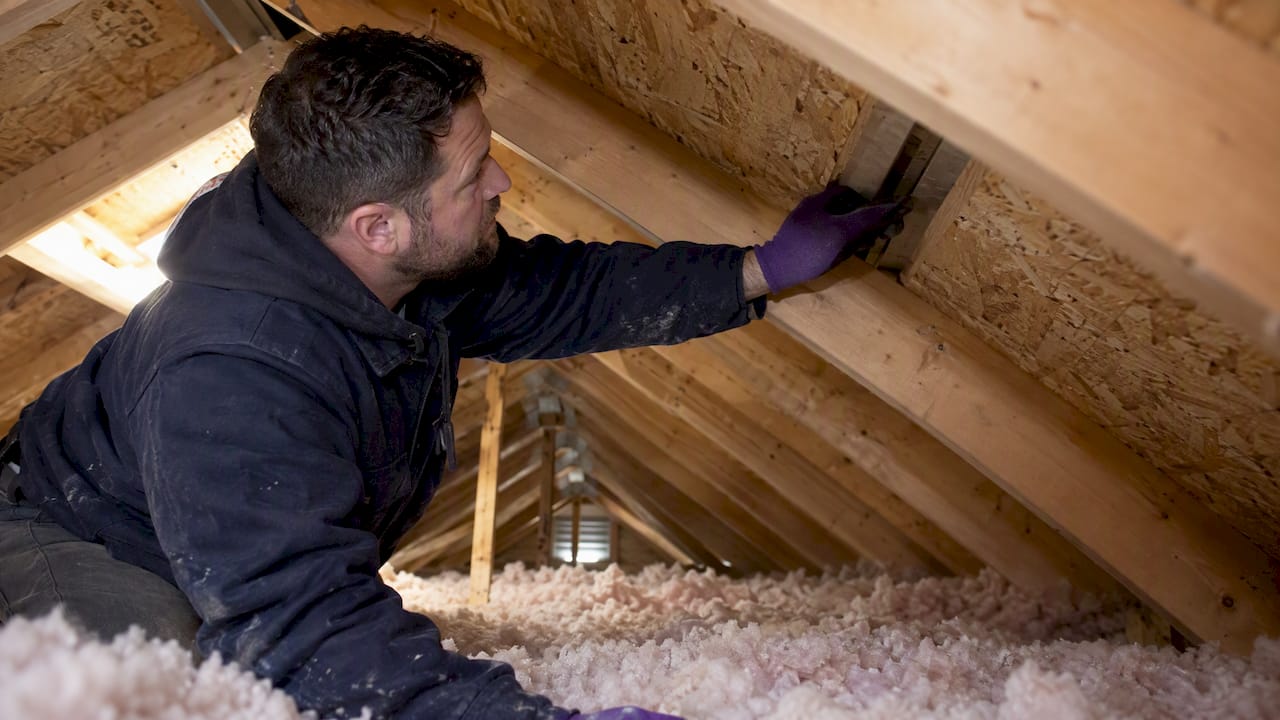
A quick visual check tells you most of what you need to know before calling in a professional.
- Look for wet or stained insulation, which signals a roof leak, condensation problem, or ventilation failure.
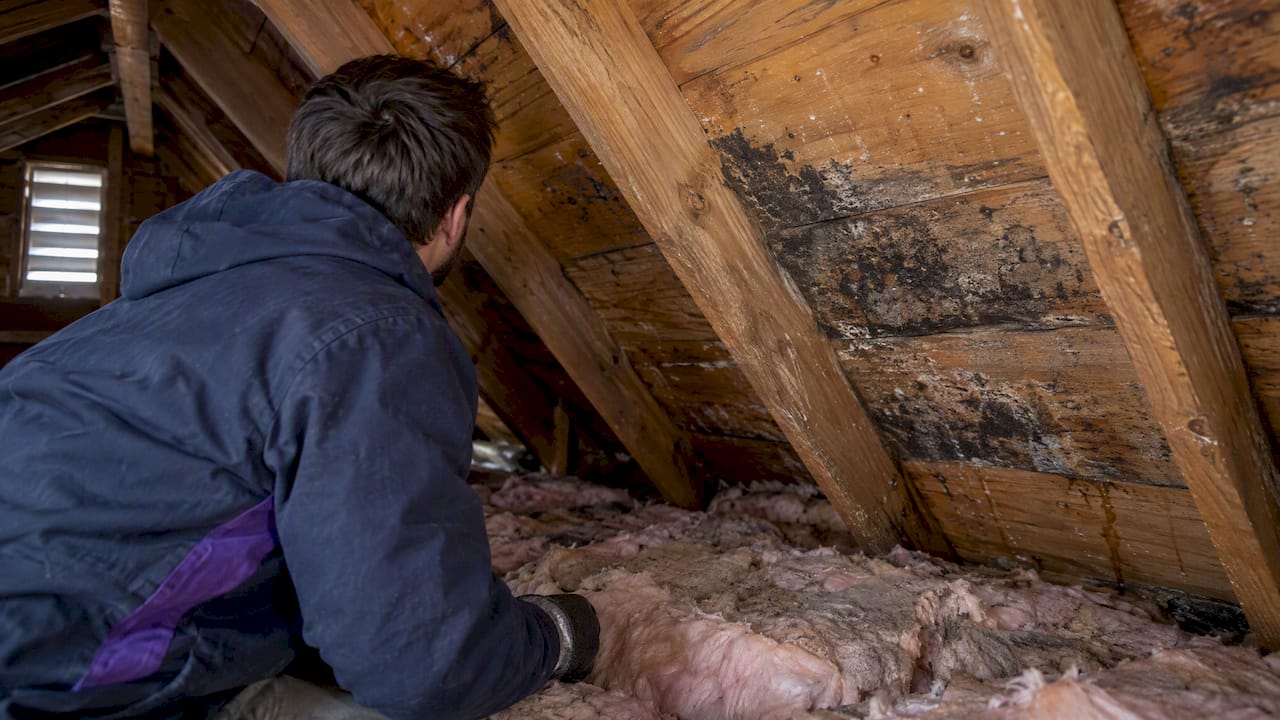
- Check for mold growth, visible as dark spots or a musty smell, especially near the roof deck or eaves.
- Scan for animal droppings, nesting material, or chewed sections, which indicate pest activity that requires cleanup, not just more insulation.
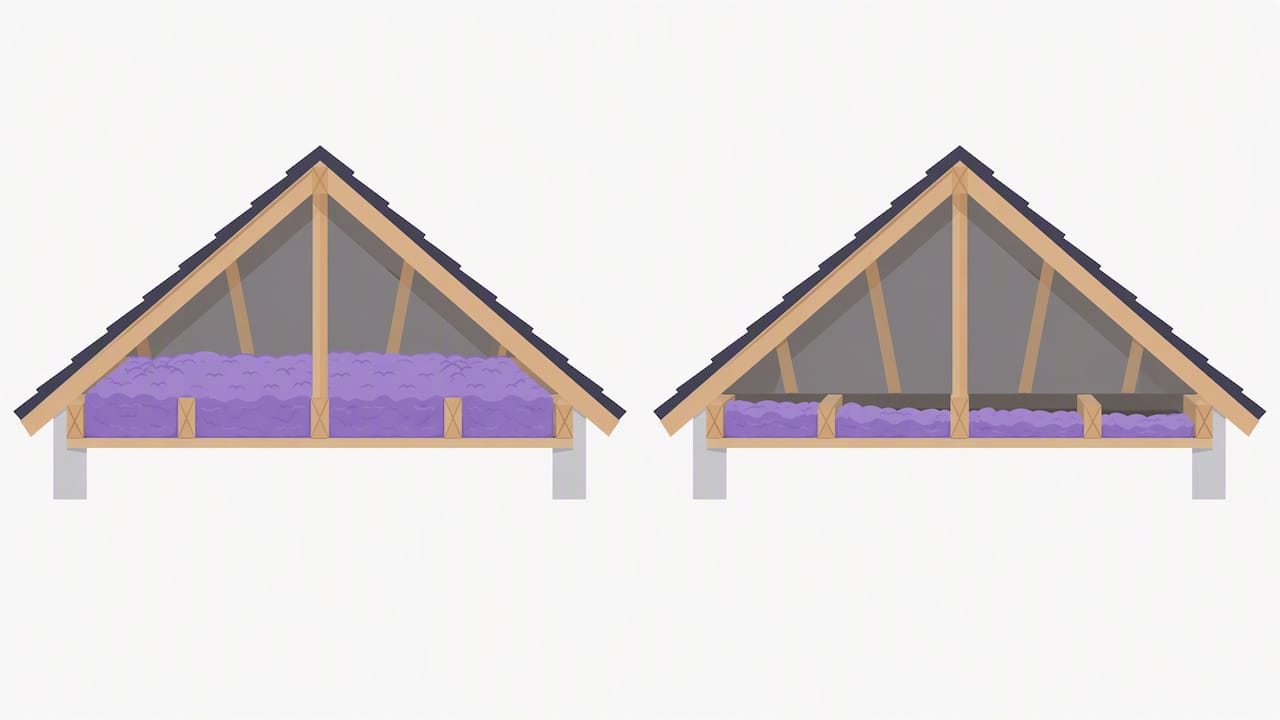
- Note any sagging, matted, or compressed areas, since compressed insulation loses much of its R-value even if it looks intact from a distance.
- Watch your energy bills and comfort, since unexplained spikes or rooms that never feel right often trace back to degraded attic insulation.
- Check for frost or water stains on the underside of the roof deck in cold weather, a sign of warm, moist air escaping into the attic.
When you see heavy mold, suspect asbestos-containing material, or find extensive animal contamination, a professional inspection or lab test is worth scheduling before you touch anything. Our guide to signs your attic needs an insulation upgrade walks through a more detailed checklist.
Factors that shorten insulation lifespan
Insulation rarely fails just because it got old. It fails because something in the attic environment went wrong.
- Moisture is the primary threat to attic durability, since it reduces R-value, promotes mold, and can rot nearby wood framing.
- Pest contamination from urine and droppings usually forces removal and remediation rather than a simple top-up, since the material can’t be sanitized in place.
- Compression and settling reduce the effective R-value of both blown and batt insulation, though blown-in material tends to settle more over time than batts.
- Poor ventilation traps humid air in the attic, which feeds the moisture problems that degrade insulation from the inside out.
- Installation mistakes, like blocked soffit vents or gaps in coverage, create cold spots and airflow problems that shorten insulation life long before its rated age.
Pro Tip: Check your attic regularly, since temperature swings can make leaks and ventilation gaps easier to spot.
For a deeper look at how these factors interact, see why old insulation loses effectiveness.
Should you add over, repair, or fully remove old insulation?
The right move depends entirely on condition, and getting the sequence right matters as much as the decision itself.
- If insulation is dry, clean, and free of contamination, Energy Star notes that contractors can usually add new material on top after air sealing, without removing the old layer.
- If insulation is wet, moldy, or smells off, it needs to come out, since adding over a damp layer traps moisture and accelerates damage.
- If insulation is heavily soiled with animal waste, removal and sanitation come first, because no amount of new material fixes a contamination problem underneath.
- If you suspect vermiculite, stop and get it tested before anyone disturbs it, insulation work included.
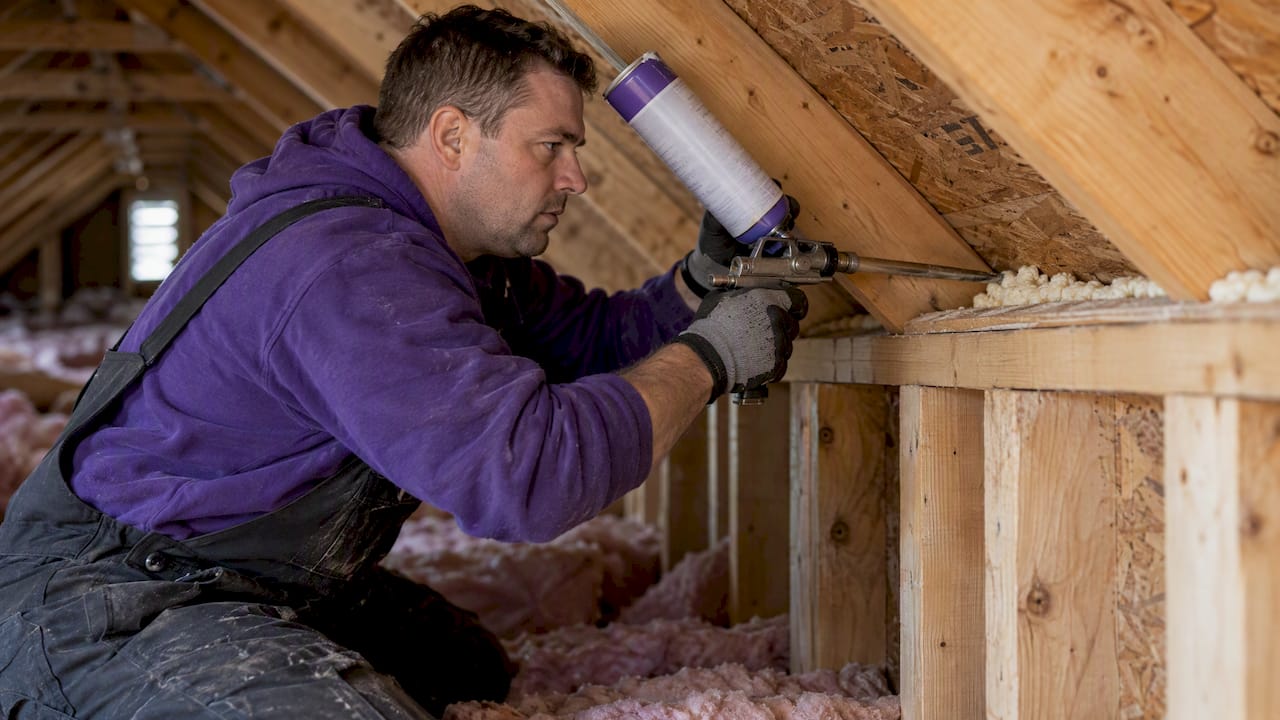
A professional scope should start with air sealing, move into remediation if needed, and finish with insulation to the R-value your climate zone calls for. Afterward, ask for documentation of insulation depth and R-value before and after the work, so you have a record for future reference or resale. Energy Star’s contractor hiring guide recommends choosing licensed, insured contractors trained in both insulation and air sealing, and having them diagnose roof or ventilation issues before recommending a full tear-out.
Safety hazards: vermiculite, mold, and heavy contamination
Some attic problems aren’t just maintenance issues. They’re health risks that call for trained specialists.
- Assume vermiculite insulation may contain asbestos, and do not disturb it yourself. The EPA recommends hiring accredited asbestos abatement professionals for testing and removal.
- Treat visible mold as a remediation job first, since insulation installed over active mold growth will fail again quickly. Our attic mold remediation guide covers how that process typically unfolds.
- Leave heavy animal waste contamination to professional cleanup crews, since droppings and nesting material can carry pathogens that aren’t safe to handle with household tools. Our overview of attic health hazards explains what these contaminants can mean for indoor air quality.
Maintenance steps that extend insulation life
A little routine attention goes a long way toward avoiding early replacement.
- Do visual inspections regularly, checking for moisture stains, pest activity, and compressed or shifted insulation.
- Keep soffit and ridge vents clear, and confirm baffles are installed at the eaves so insulation doesn’t block airflow.
- Make sure bathroom and kitchen exhaust fans vent outdoors, not into the attic, since misrouted vents dump humid air right where you don’t want it.
- Track attic humidity with an inexpensive hygrometer if you’ve had moisture issues before.
- Keep a record of insulation depth and R-value so you can tell at a glance whether levels have dropped over time.
Pro Tip: Snap photos of your attic insulation from the same spot near the access hatch. Side-by-side comparisons make settling and moisture damage obvious fast.
A condition-first approach to attic insulation
Age alone has never told the full story. We treat the attic as a system: inspect first, air seal the leaks, remediate any moisture or contamination, and only then insulate to the right R-value. Document what you find, and when something looks off, a professional inspection beats guessing every time.
— Jim
Get a professional inspection from The Attic Genius
If your attic insulation shows any of the warning signs above, we offer a free inspection to assess exactly what your attic needs, whether that’s a top-up, full replacement, air sealing, or mold and pest cleanup.

- Attic insulation removal and installation, matched to your home’s climate zone and existing conditions.
- Air sealing and attic ventilation upgrades, done before or alongside insulation work for lasting results.
- Moisture, mold, and pest waste remediation, handled by a team that deals with these issues daily.
We bring extensive combined experience and many five-star reviews to every job, backed by written warranties and upfront pricing, with inspections available across Chicagoland and the Northwest Suburbs. If you’re tackling whole-house efficiency, pairing attic work with upgrades like energy-efficient interior doors can round out the project. Request your free inspection today and find out exactly where your attic stands.
FAQ
How to tell if your attic insulation is bad?
Look for wet or stained material, mold growth, animal droppings, or sagging and compressed sections, since any of these signal that insulation is no longer performing. A sudden rise in energy bills or uneven room temperatures can also point to failing insulation even when it looks fine from the attic hatch.
Do mice like blown in insulation?
Mice and other pests often nest in loose-fill insulation because it’s soft and easy to burrow into, and cellulose in particular can attract rodents looking for nesting material. Once pests move in, the affected insulation usually needs professional cleanup and removal rather than just a top-up.
How often should I have insulation in my attic inspected?
Regular visual checks can catch problems like moisture stains, pest activity, or settling before they get worse. If your home has had a roof leak or pest issue, a professional inspection is a reasonable addition to that routine.
How long does cellulose insulation typically last?
Cellulose insulation can last for many years under dry, undisturbed conditions, but it absorbs moisture readily, which can shorten its effective lifespan in humid or poorly ventilated attics. Checking for dampness or compaction matters more than tracking its exact installation date.
Sources
- Well-Insulated and Sealed Attic | ENERGY STAR
- Epa
- Energy-Efficient Home Improvement Credit Insulation and Air-Sealing Essentials | Department of Energy