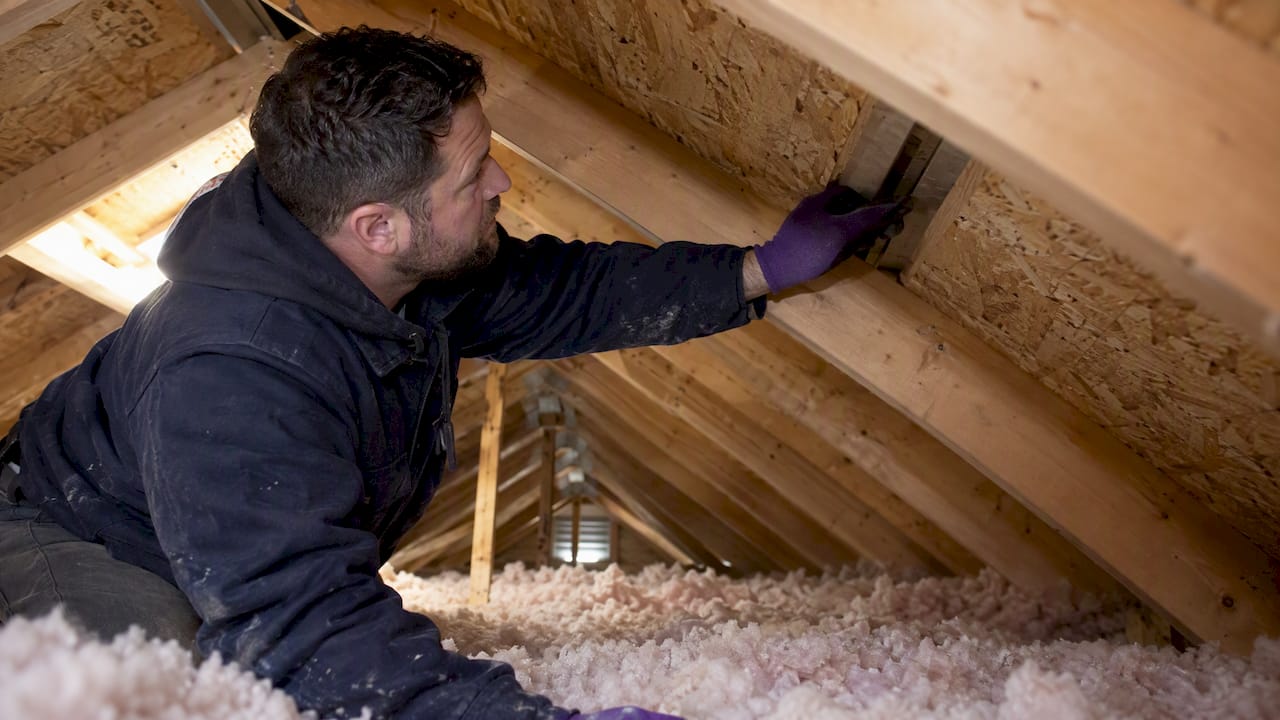
Your first winter priority is to stop warm indoor air from reaching the roof by air sealing and insulating, then confirm a balanced soffit-to-ridge airflow path with a clear 2-inch gap above the insulation. Skip power attic fans. In cold climates, the Building America Solution Center points to R-60 attic insulation, and we can inspect your attic if you want a second opinion.
TL;DR:
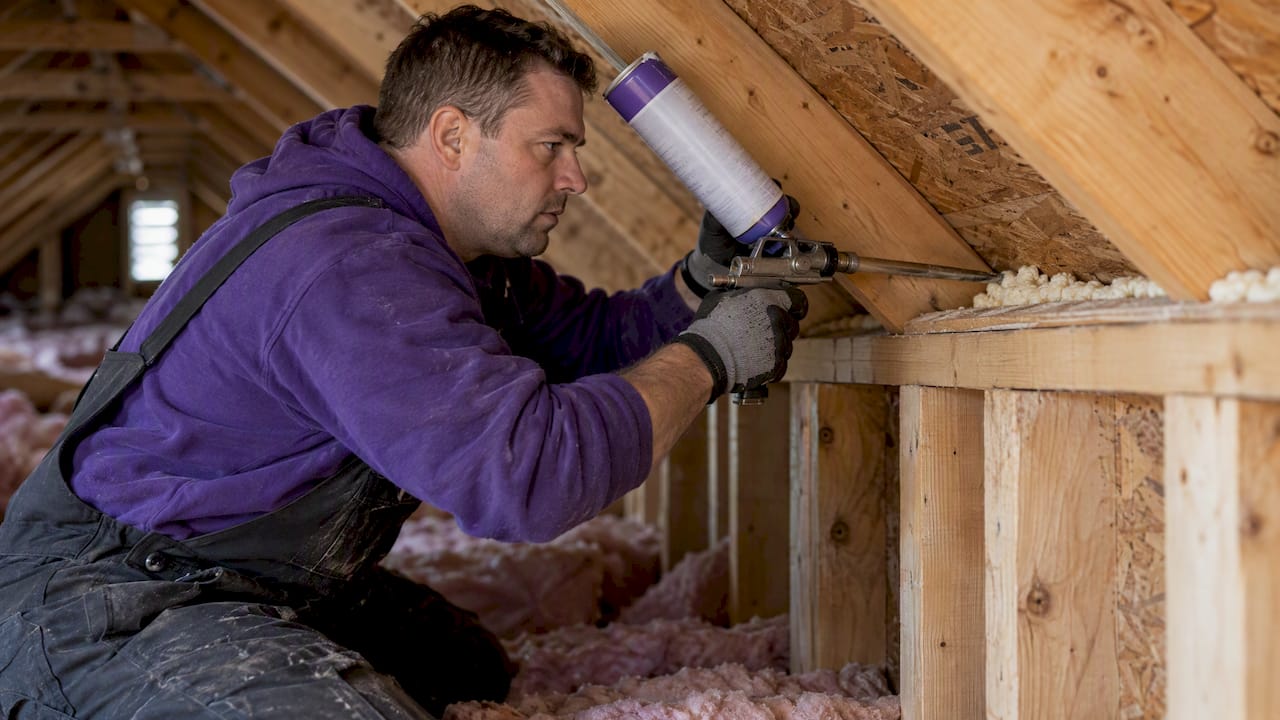
- Seal leaks around recessed lights, chimneys, plumbing, wiring, attic hatches, and ducts; move unconditioned attic ducts, seal them, or bury them under insulation.
- Keep net free vent area at 1/300 of attic floor area, or 1/150 without soffit intake; favor intake when the split is uneven.
- Do not cover vents or add roof vents to compensate for ceiling leaks; power fans can draw warm, humid household air into the attic.
- If soffit intake is unavailable, low gable or eyebrow vents can provide intake, but roof outlets may be blocked by drifting snow.
Table of Contents
- Why does attic ventilation matter in winter?
- How does a properly balanced winter attic ventilation system work?
- Why should you seal first and insulate second?
- Which vent types work best in winter?
- What should you avoid doing in winter?
- How do you inspect your attic for winter readiness?
- How often should you maintain your attic, and when should you call a pro?
- How we diagnose winter attic problems
- How we help with winter attic ventilation and ice-dam prevention
- FAQ
- Sources
Why does attic ventilation matter in winter?
Winter attic problems almost always start with heat and moisture leaking up from the living space. Snow lands on the roof, warm air escaping through the ceiling melts it from underneath, and the meltwater runs down to the cold, unheated eaves and refreezes. That ridge of ice is an ice dam, and it can force water under shingles and into your walls.
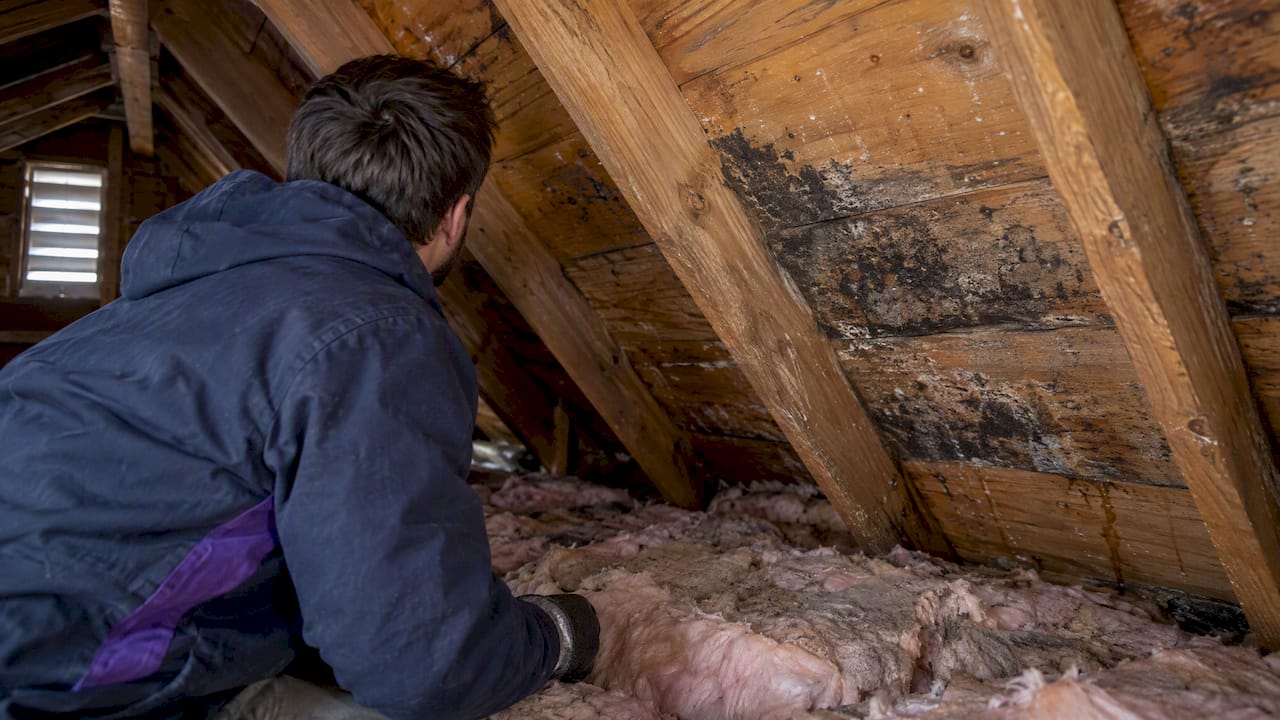
Moist indoor air creates a second problem. When it slips into a cold attic, it condenses on the underside of the roof deck and on framing, which can lead to wet insulation, stained sheathing and eventually mold.
Ventilation helps because it keeps the roof deck close to the outdoor temperature, which limits snowmelt. But building science is clear that ventilation cannot fix a leaky ceiling: if warm air bypasses the ceiling, it keeps melting snow no matter how many vents you add.
Watch for these warning signs:
- Icicles hanging along the eaves, especially thick or uneven ones
- Water stains on upstairs ceilings or along exterior walls
- Frost or dampness on the underside of the roof deck
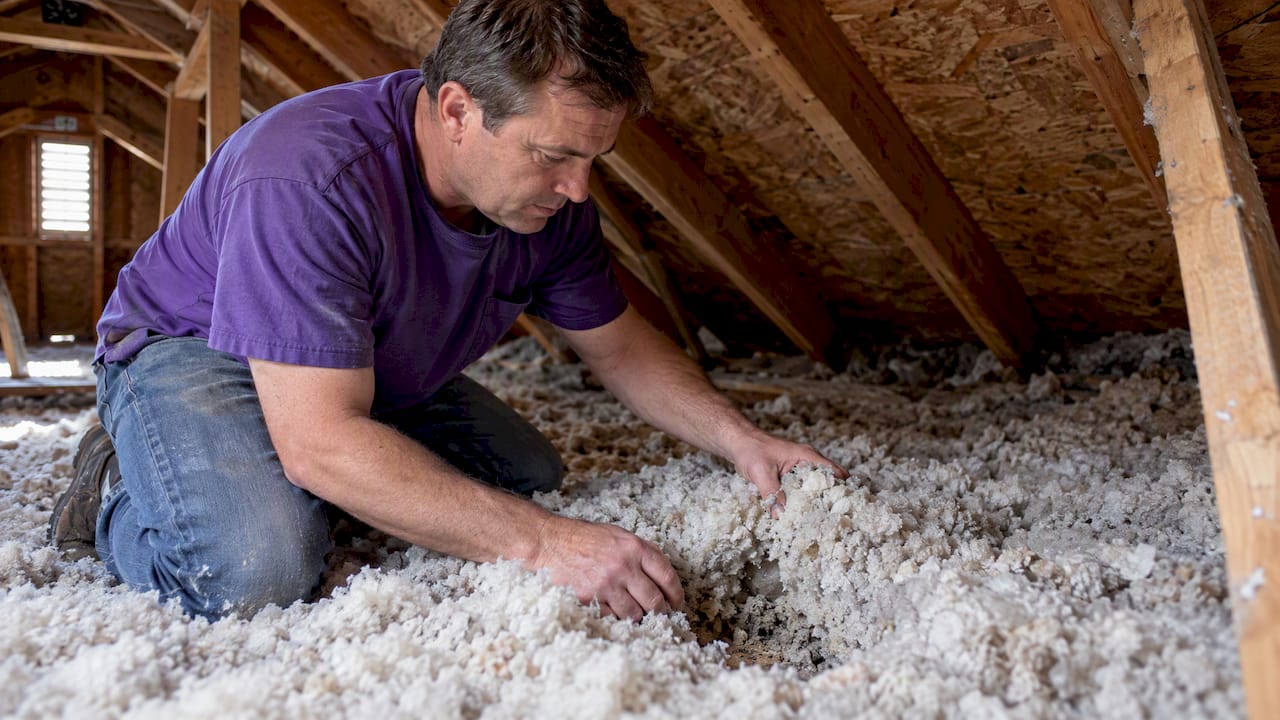
- Wet, matted or discolored insulation near the eaves
How does a properly balanced winter attic ventilation system work?
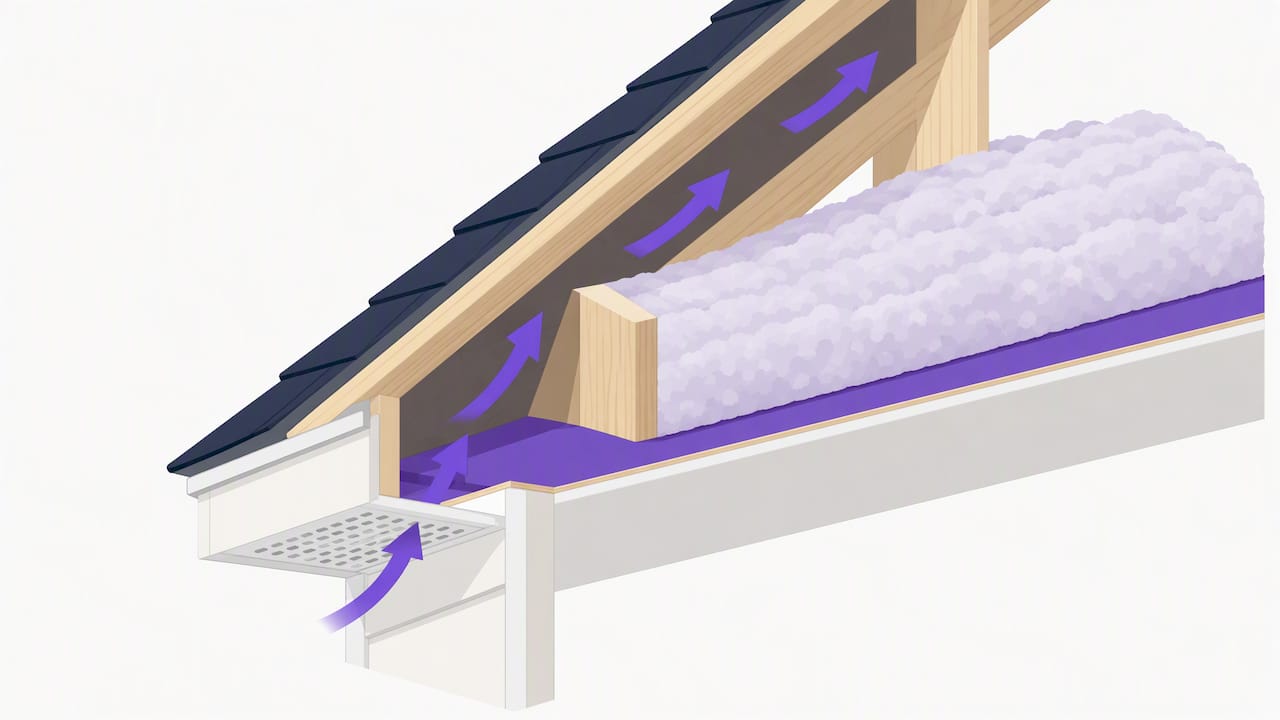
A healthy vented attic is a simple loop. Cold outdoor air enters low, at the soffits, and exits high, at the ridge or upper vents. Because the makeup air comes from outside, your attic should never pull it from the house, which is another reason sealing the ceiling comes first.
Here is what to check:
- Keep a 2-inch air gap. Guidance calls for a minimum 2-inch clear gap between the top of the insulation and the underside of the roof deck.
- Install baffles in every rafter bay. They hold insulation back from the soffit openings so air can flow.
- Check the net free area (NFA). The common code ratio is 1/300 of the attic floor area, and it rises to 1/150 when soffit intake is not possible.
- Split intake and exhaust roughly equally. If the split is uneven, favor intake over exhaust.
- Mind placement. Put intake near the outer edge of the soffit, and place exhaust higher than the intake when you can.
Why should you seal first and insulate second?
The primary ice-dam fix is to eliminate heat loss into the attic by making the ceiling plane airtight and adding insulation. In Climate Zones 5 and greater, the recommended level for attic assemblies is R-60 or greater. Our own ice dam prevention guide walks through the same seal-first logic.
Common leak sources you can check yourself:
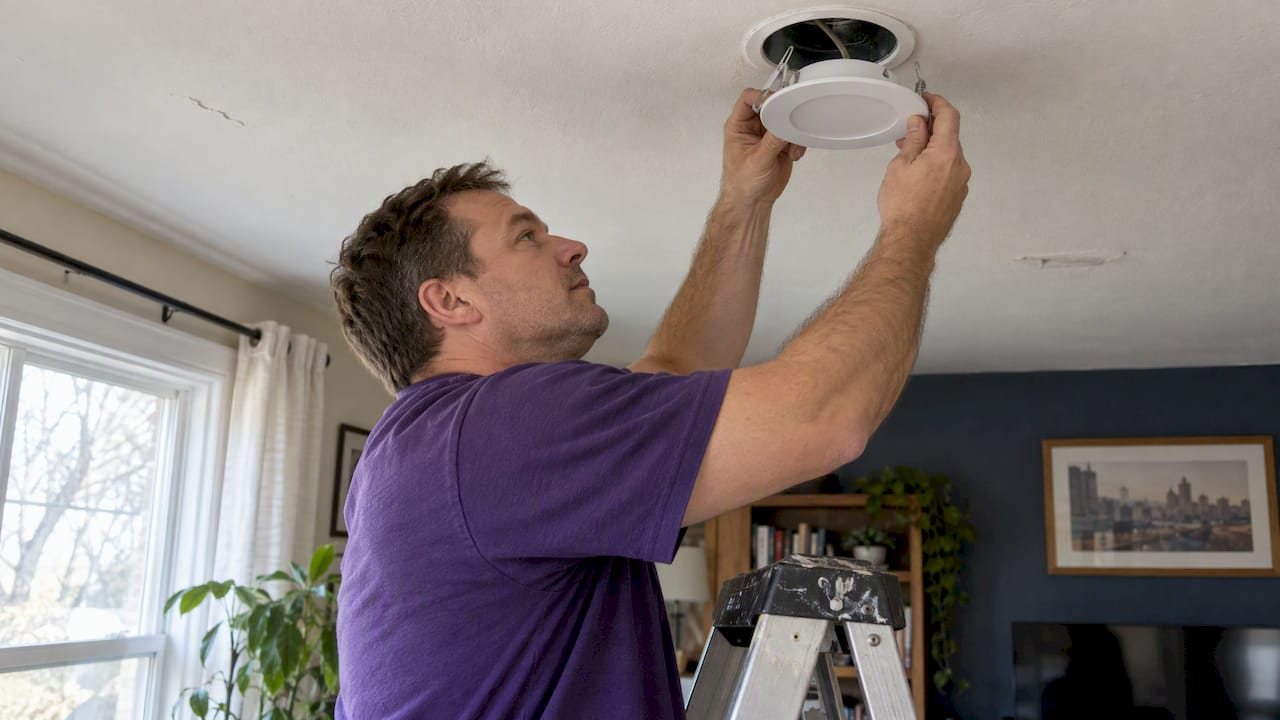
- Recessed lights and other ceiling fixtures
- Chimneys and flues
- Plumbing stacks and wire penetrations
- The attic hatch or pull-down stairs
- HVAC and duct penetrations
- Top plates and drywall seams
Ducts in an unconditioned attic are a frequent culprit. Move them into conditioned space, or seal and bury them under insulation. If your roof is unvented, the insulation strategy changes: those assemblies rely on rigid foam or closed-cell spray foam, so the approach differs from a typical vented attic. For more on bypasses, see our guide to air sealing attic bypasses.
Pro Tip: Confirm the air barrier is continuous and aligned with the insulation, and ask about raised-heel trusses or insulation dams at the eaves so full insulation depth does not block airflow.
Which vent types work best in winter?
A preferred setup is continuous soffit intake paired with continuous ridge exhaust. A continuous soffit gives air a path into the rafter bays.
When soffits are missing or blocked, you have alternatives:
- Low gable vents or eyebrow vents can supply intake when soffit ventilation is unavailable.
- Vented drip-edge or fascia products add intake at the roof edge.
- The 1/150 rule applies when soffit intake is not possible, so you need more vent area.
- Snow coverage is a risk for roof-level outlets. Ridge vents can be blocked by drifted snow, so extra soffit intake or a cupola can help.
Whatever you have, use baffles and wind dams in every vented bay to keep insulation from smothering the intake. Our comparison of soffit vs gable vents covers how each performs.
If a vent or roof repair is urgent, a roofing specialist like Stalwart Roofing discusses emergency roof ventilation in more detail.
What should you avoid doing in winter?
A few well-meant moves make winter attic problems worse:
- Running a power attic fan. University of Minnesota Extension advises against them for winter, because they can create negative pressure that pulls warm, humid air from the house into the attic.
- Blocking soffits or closing vents. Choking off intake unbalances the system and invites moisture and warm spots.
- Adding more vents to fix a leaky ceiling. Open vent area alone does not stop heat and moisture from rising. Sealing does.
How do you inspect your attic for winter readiness?
Start with safety. Have a qualified professional handle work near electrical fixtures, insulation hazards, sharp nails, or a winter roof.
- Check that baffles are in place and the 2-inch gap is clear.
- Look at the soffit vents for blockage from insulation or debris.
- Notice dirty insulation, which signals air moving through it.
- Inspect around wires, stacks and chimneys for gaps.
- Test the attic hatch for a tight seal.
- Look for moisture stains, frost or mold on the roof deck.
- From the yard, note icicles and snow-melt patterns on the roof.
For quick fixes, weatherstrip the hatch and re-seat any missing vent grates. For anything larger, call us.
How often should you maintain your attic, and when should you call a pro?
Inspect in the fall, and look again after heavy snow or persistent icicles. Each season, confirm soffit-to-ridge airflow and full insulation coverage. A vent inspection checklist from Amazon Air Duct Cleaning can supplement your routine.
A professional visit typically covers:
- Detailed air sealing
- Insulation top-ups toward R-60 in cold climates
- Soffit and ridge vent installation or repair
- Baffles and wind dams
- A self-adhering membrane at the eaves in high-snow regions, extending up the roof deck
- Duct encapsulation or relocation
Call right away for active leaks, large ice dams with water intrusion, visible mold, or damaged ducts in an unconditioned attic.
Pro Tip: Book a combined air-seal and insulation assessment instead of piecemeal fixes, so each step supports the next.
How we diagnose winter attic problems
In our experience, the order matters more than any single product. We inspect the air barrier and insulation first, run a targeted air-sealing pass, upgrade insulation, and only then verify the ventilation path. Our team brings experience and customer feedback, and we back work with upfront pricing and written warranties. If you see red flags, schedule a free inspection.
— Jim
How we help with winter attic ventilation and ice-dam prevention
Fewer ice dams, less wasted heat and a drier attic come from doing the work in the right order, and that is how we approach every home. We offer attic ventilation solutions, air sealing, attic insulation and removal, moisture and mold remediation, pest and vermin waste cleanup, and a free inspection. Installs are code-compliant, with written warranties and upfront pricing. Next steps are simple: we assess your attic, send a written estimate and schedule the work. Request your free inspection.

FAQ
Should you cover attic vents in the winter?
No. Covering vents unbalances the airflow and can trap moisture in the attic. Keep soffit intake and upper exhaust open, and fix heat and moisture leaks from the house instead.
What is a gable roof vent?
A gable vent is an opening in the triangular end wall of an attic. It can serve as intake or exhaust, but it works less evenly than a continuous soffit-and-ridge system.
How do I improve the ventilation in my attic?
Air seal the ceiling first, then clear blocked soffits and install baffles to maintain a 2-inch gap. Aim for balanced intake and exhaust sized to the 1/300 ratio, or 1/150 when soffit intake is not possible.
How cold is an attic in winter?
A well-sealed, properly vented attic stays close to the outdoor temperature. That is the goal, because a cold roof deck prevents snowmelt and the ice dams that follow.
Sources
- Construct Roofs and Attics for Ice Dam Prevention | Building America Solution Center
- Basc
- Extension
- Eaves Sealed in Cold Climates | Building Science Education