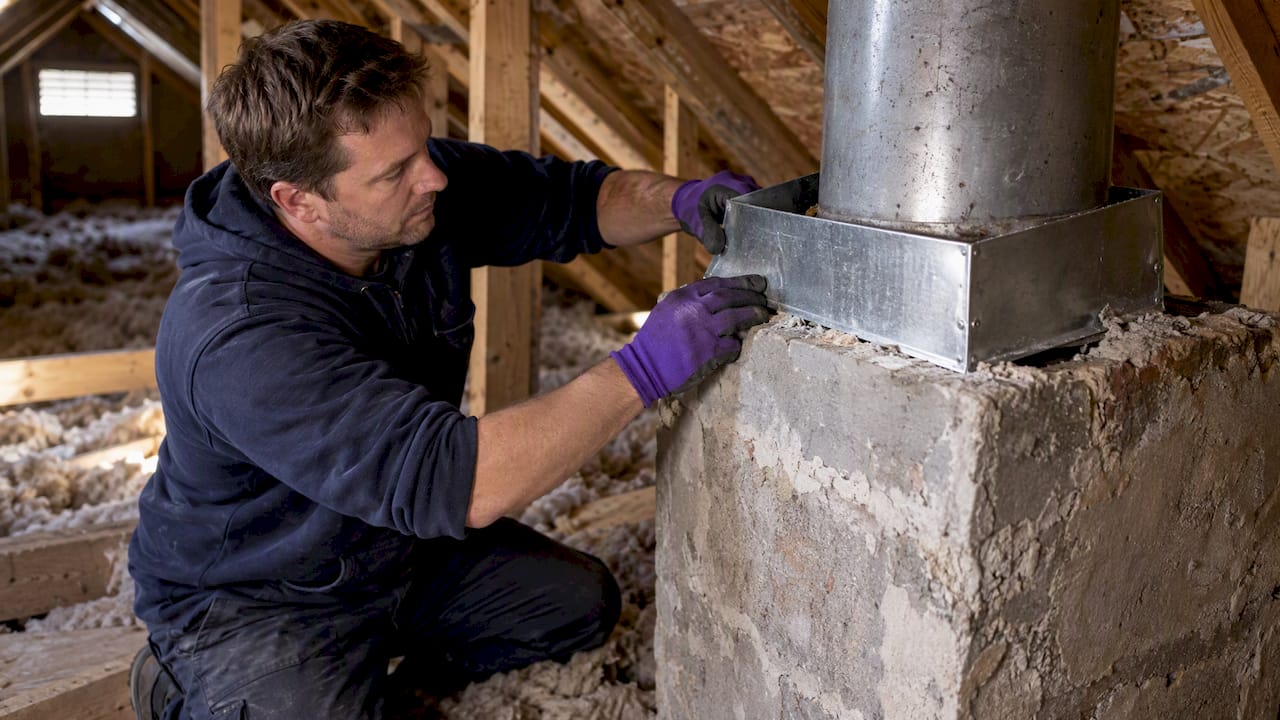
A small hairline gap around a chimney chase is common and usually harmless, but any gap wide enough to see daylight through, or one paired with rust or ponding water, is not acceptable and needs attention. Start by inspecting the chase cover, flashing, and attic penetration, and confirm that insulation and other combustible materials stay at least 3 inches from the flue as required by the Building America Solution Center. If you spot rust, standing water, or a separation wider than a coin, get a professional inspection before winter weather makes the damage worse.
TL;DR:
- Gaps wider than a coin, rust, or ponding water on the chase cover indicate active damage that requires professional inspection and repair.
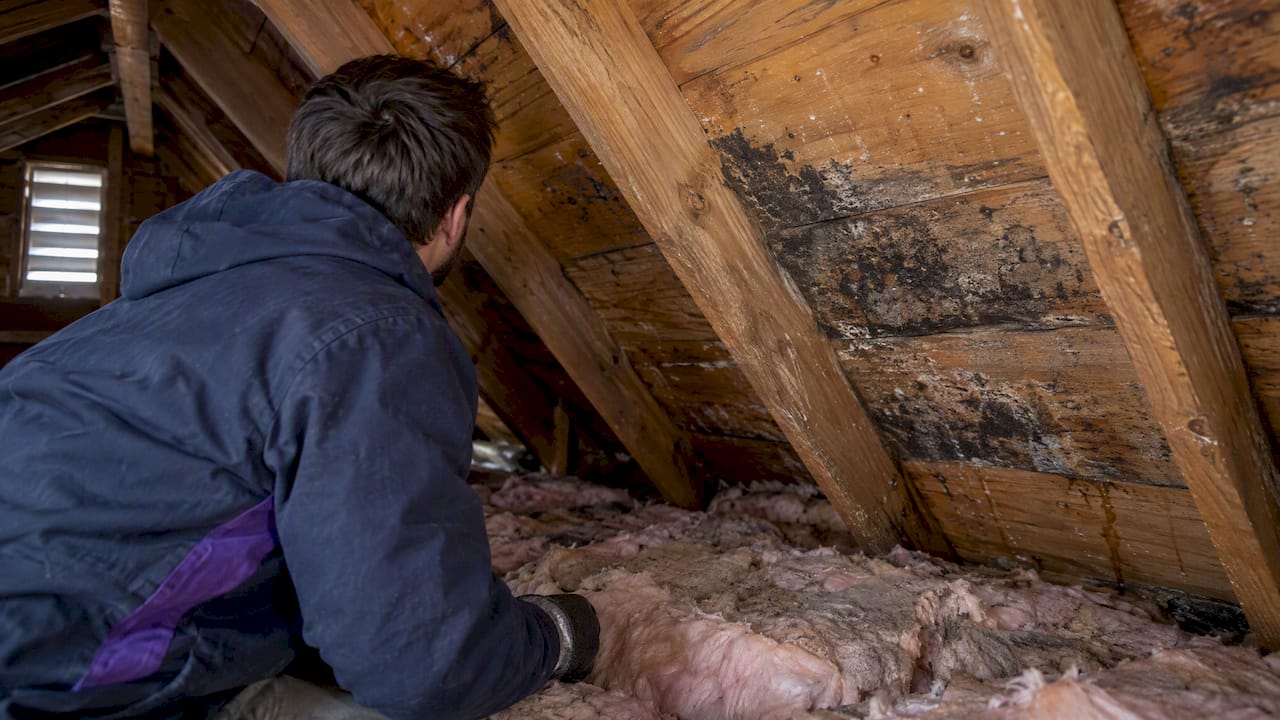
- Moisture damage inside the chase, such as rot or stains, can lead to mold growth and increased energy costs if not addressed promptly.
- Sealing attic gaps with sheet metal and high-temperature caulk, along with building an insulation dam, provides a long-lasting fix for most small to medium chase openings.
- A rusted or leaking factory chase cover should be replaced with a custom-fabricated stainless steel or aluminum cover for better durability and water shedding.
- Always maintain at least three inches of clearance between combustible materials and the flue, and avoid caulking over active rust or structural issues yourself.
Table of Contents
- Why chase gaps form and the risks they cause
- Inspection checklist: what to look for and where
- Attic-side sealing: the sheet-metal dam method
- When to repair the cover versus replace it
- Safety and code rules you cannot skip
- Why these methods hold up over time
- What one attic guy wishes every homeowner knew
- How The Attic Genius handles chase gap problems
- Sources
- FAQ
Why chase gaps form and the risks they cause
Chimney chase covers take direct weather for years, and the metal, seams, and flashing around them fail in predictable ways. A flat galvanized cover ponds water after storms, and that standing water works through weak seams and rusts the metal from the inside out. Flashing that was never properly stepped and counter-flashed into the siding pulls loose as the house settles, and the gap between the chase and the exterior wall widens over time as caulk dries out and cracks.
None of these failures stay cosmetic for long.
- Rust holes in the cover let rain drip straight down into the chase cavity.
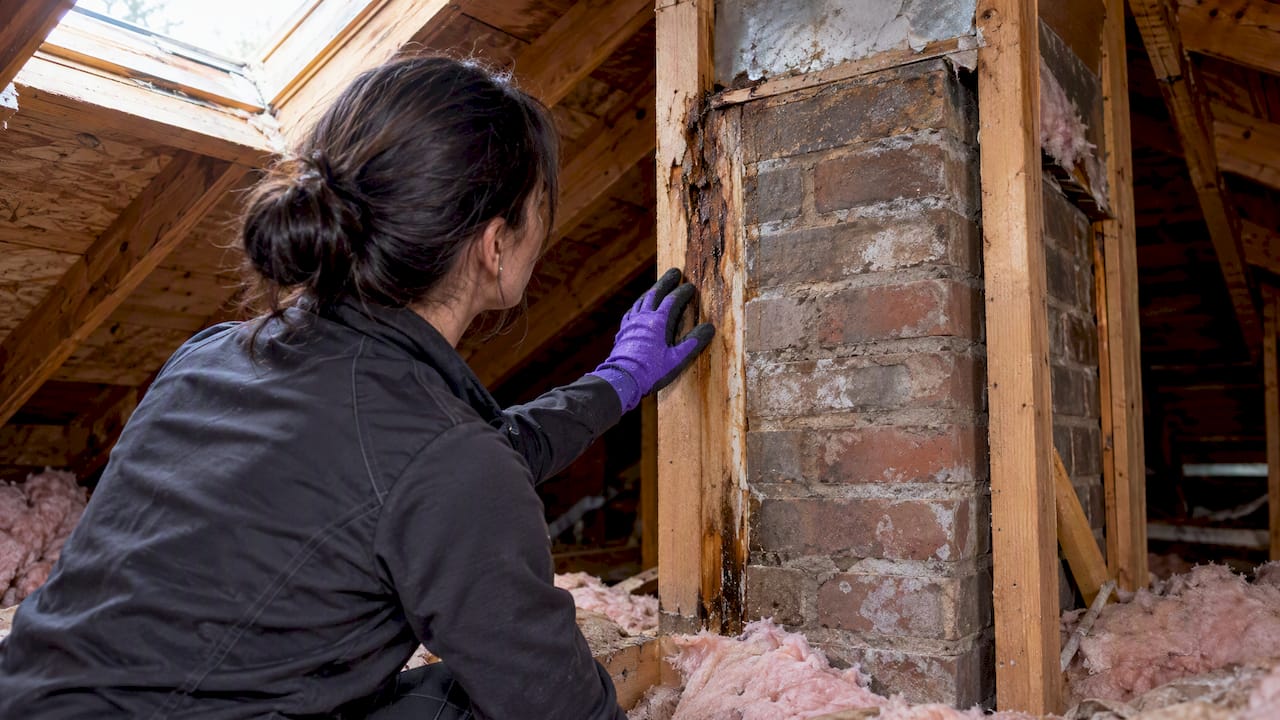
- Chase-frame rot develops when moisture sits against wood framing for months at a time.
- Attic and ceiling stains are often the first sign homeowners notice, usually well after the leak started.
- Mold risk rises wherever wet wood meets warm, humid attic air.
- Energy bills climb because an unsealed chase is also an open path for conditioned air to escape.
Triage is simple. A tight hairline gap with no rust or staining can wait for routine maintenance. Ponding, visible rust, or soft or discolored wood at the chase framing means the problem is active and needs a closer look soon.
Inspection checklist: what to look for and where
Work from the outside in, and keep a phone camera and a tape measure with you so you have documentation ready if you end up calling a contractor.
- Check the exterior chase walls for rust streaks, seam separation, and any place where the cover no longer sits flush against the siding, and photograph and measure any gap you find.
- Look at the roofline and flashing where the chase meets the roof. Ponding water on top of the cover or a flashing transition that has pulled away from the shingles means it is time to stop and call a roofer rather than climb up yourself.
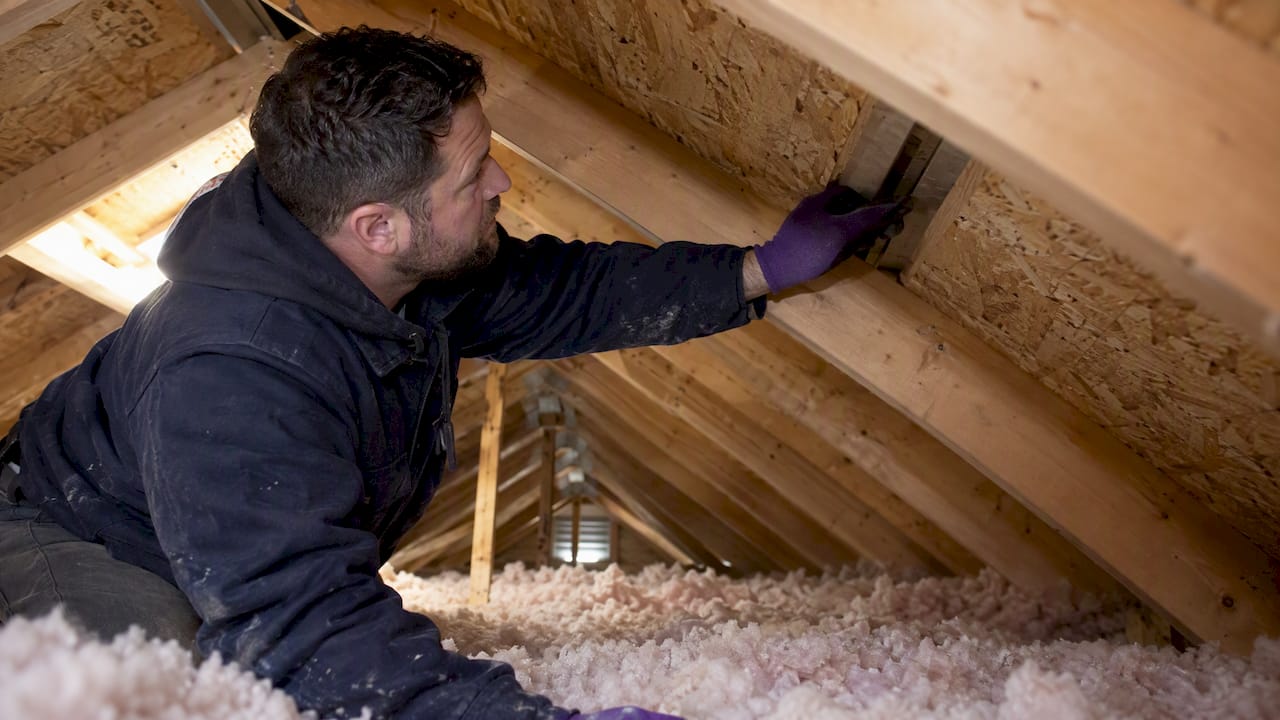
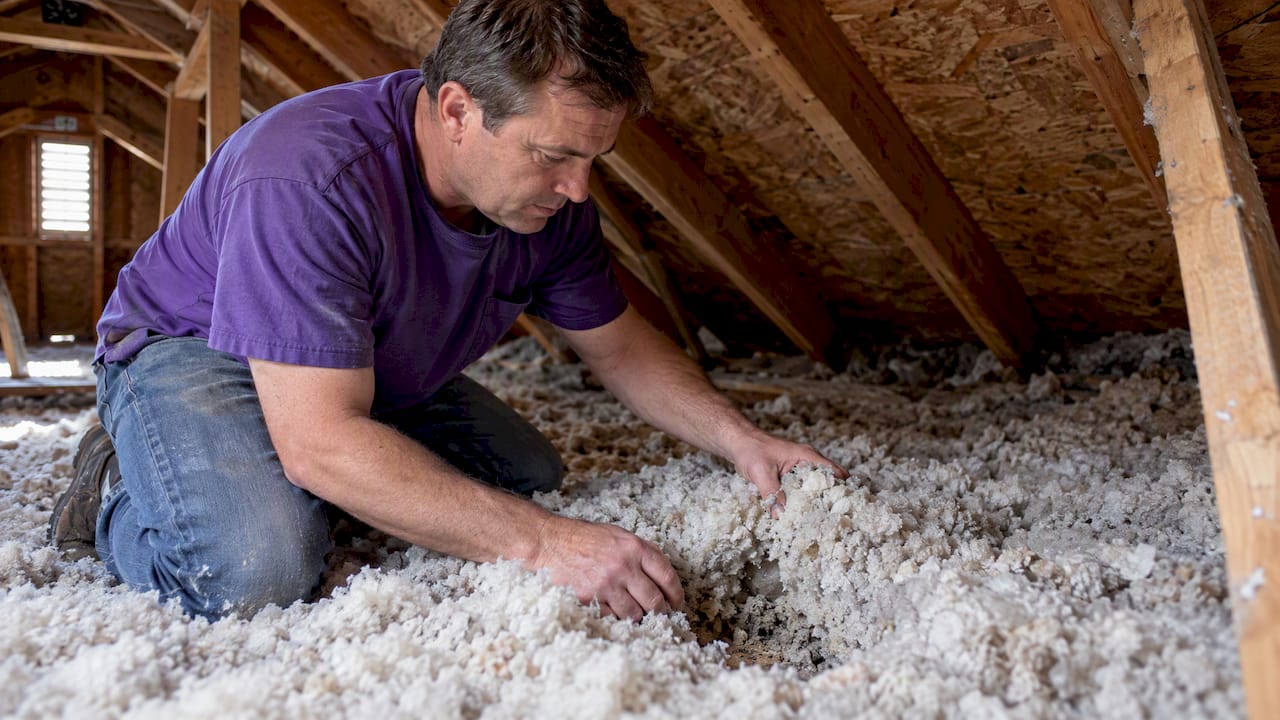
- Move to the attic and pull back insulation near the chimney penetration. Look for daylight coming through the framing, feel for drafts with your hand, and note any gap wider than a quarter inch since that is generally where air and heat losses start to matter, according to Department of Energy guidance on sealing attic chases.
- Note ceiling stains, rot, or musty smells near the chimney chase, since these usually mean water has already been getting in for some time.
- Write down every measurement and take photos of each gap, stain, or rusted section. A contractor can quote and schedule a repair much faster with clear documentation in hand than with a phone description alone.
Attic-side sealing: the sheet-metal dam method
For most small and medium gaps, the attic side of the chase is where the real fix happens, not the exterior caulk line. The Building America Solution Center and the Department of Energy’s chimney sealing guide both describe the same core method: build a noncombustible shield around the flue, then seal it, then rebuild the insulation dam around it.
You will need galvanized or stainless sheet metal, high-temperature fire-rated caulk, sheet metal screws, backing wood if the framing needs it, and basic gloves and eye protection for handling cut metal edges.
- Clear insulation away from the flue penetration so you can see the framing and the existing gap clearly.
- Cut two overlapping pieces of sheet metal and fasten them to the surrounding framing, keeping a small gap between the metal and the hot flue itself.
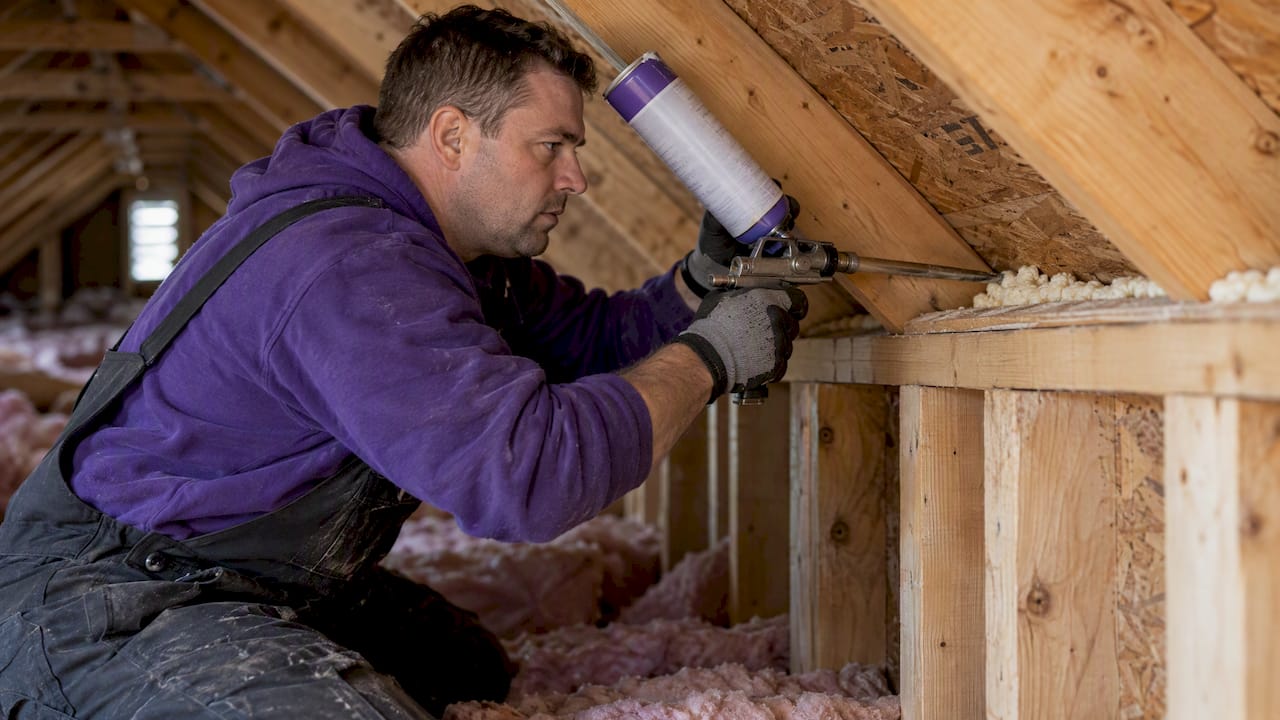
- Seal every seam and edge with a continuous bead of fire-rated caulk rated for high-temperature use near chimneys.
- Build an insulation dam at least 4 inches taller than your finished insulation level, based on the Department of Energy’s dam-height specification, so insulation cannot slump against the flue over time.
- Replace insulation around the dam, keeping it at least 3 inches from the flue at every point.
Gap size changes the material choice: seal anything under a quarter inch with caulk alone, use one-component foam or mastic for gaps between a quarter inch and 2 inches, and switch to rigid infill or framed blocking for anything larger, following the Department of Energy’s material guidance.
Pro Tip: Stop and call a professional if you see active rust, soft or rotted framing, or any sign the chimney is pulling away from the house rather than a straightforward gap.
When to repair the cover versus replace it
A caulk patch on a rusted chase cover buys time, not a solution. Rust under the zinc coating of a galvanized cover keeps spreading under any patch, so repeated leaks from the same cover are a sign the metal itself has failed rather than a sign you used the wrong sealant.
Watch for these red flags that point toward full replacement rather than another patch:
- Extensive rust across more than a small section of the cover.
- Repeated leaks in the same area even after prior sealing attempts.
- Sagging or visible ponding on top of the cover after rain.
- Rot inside the chase framing discovered during an attic inspection.
A proper replacement is a custom-fabricated stainless steel or painted aluminum chase cover built with cross-breaks and slope so water sheds instead of collecting, plus a drip edge and flashing detailed to tie cleanly into the siding. Factory flat galvanized covers are common on newer builds because they are cheap to install, but they tend to fail earlier in humid climates than a custom-fabricated cover with proper slope and drip edge.
Safety and code rules you cannot skip
Every step of a chase repair sits inside a hard safety boundary: keep insulation and other combustible material at least 3 inches from the chimney or flue, or whatever wider clearance your local authority having jurisdiction requires, and never compress insulation directly against a hot flue.
A minimum 3-inch clearance between combustibles and the flue is a standard requirement in building guidance for air-sealing chimney chases, according to the Building America Solution Center, and it exists because flue surface temperatures can ignite nearby wood or insulation over time.
Use only noncombustible materials, sheet metal and fire-rated caulk, for the air seal itself. Standard spray foam is not approved for direct contact with a hot flue. Size the insulation dam at least 4 inches taller than the finished insulation level so it cannot slump, and mechanically fasten every sheet metal seam rather than relying on caulk alone to hold the assembly together.

Why these methods hold up over time
The Attic Genius team brings 25+ years of combined experience to attic insulation, air sealing, and moisture work, and has earned 400 plus combined five-star reviews across those services. We specialize in attic insulation and related services for homeowners and businesses across the Northwest Suburbs and Chicagoland, with upfront pricing, written warranties, and same-day inspections available.
The sheet-metal dam and fire-rated caulk method we use is the same approach described in federal building-science guidance, and it works because it solves both problems at once: it stops drafts and it keeps moisture from tracking into the chase cavity. Keep your inspection photos and general measurements. They speed up any warranty claim or follow-up visit.
What one attic guy wishes every homeowner knew
Stop the water first, worry about energy loss second, and never caulk over active rust and call it fixed. A patched cover that still rusts underneath just hides the problem until it’s worse.
— Jim
How The Attic Genius handles chase gap problems
Chasing down a chimney chase leak usually means checking more than the metal on the roof. It means confirming the attic side is sealed correctly and that no moisture damage or mold has already started in the chase cavity, which is exactly the kind of job that benefits from having one team handle inspection, sealing, and remediation instead of juggling separate contractors.

A visit from The Attic Genius typically covers:
- A same-day inspection option so you are not waiting weeks to find out what is actually wrong.
- Documented findings with photos and measurements, similar to what you gathered during your own walkthrough.
- A written estimate before any work begins, with no surprise charges added later.
- Warranty-backed work on air sealing, insulation repairs, or moisture remediation if the chase leak has already caused damage.
If your attic inspection turned up drafts, daylight around the flue, or stained insulation near the chimney chase, our air sealing services are built to close exactly that kind of gap. And if you found signs of mold or water staining, our moisture and mold remediation team can address it before it spreads further into the attic. Reach out through Theatticgenius to schedule an inspection and get a written estimate for your home.
Sources
- Air Seal Flue Shafts and Chimneys in Attic | Building America Solution Center
- Air Seal an Attic Chase or Small Opening | U.S. Department of Energy
FAQ
What is the 3-2-10 rule for chimneys?
The 3-2 rule is a chimney height guideline stating the flue should extend at least 3 feet above the roof penetration, and at least 2 feet above any part of the roof or nearby structure. It governs draft performance and fire safety rather than chase cover gaps directly, but a chimney built to this rule is less likely to develop the flashing and chase problems that come from a poor roof transition.
How can I fix the gap between my chimney and my house?
Small gaps at the wall-to-chase interface are typically sealed from the attic side using sheet metal and fire-rated caulk rather than caulked shut from the outside alone. If the gap exceeds half an inch or the chimney appears to be pulling away from the house, a foundation inspection is worth scheduling before any cosmetic sealing.
How long does a chimney chase cover last?
A factory flat galvanized cover often fails earlier than a custom-fabricated one because ponding water eventually corrodes through weak seams. A custom stainless steel or aluminum cover with proper slope, cross-breaks, and a drip edge sheds water instead of collecting it, which is why professionals recommend replacement with a custom cover once a factory cover starts leaking repeatedly.
What is the 7 times rule for chimneys?
Definitions of this rule vary by source and region, and it is not addressed directly in the building-science guidance used for this article. If you have questions about chimney height or clearance requirements specific to your home, check with your local building department or a certified chimney professional.
Can I seal chimney chase gaps myself?
Small gaps under a quarter inch can often be sealed with fire-rated caulk following the material guidance for attic chases, but active rust, rot, or a chase pulling away from the house calls for a professional. The Attic Genius offers free inspections to help you determine which category your situation falls into before you start any work.