
Yes, Nicor Gas pays homeowners to insulate and air seal their homes, covering attic insulation, wall and foundation insulation, air sealing, duct sealing, and window inserts. Rebates run on fixed dollar caps or per-unit formulas, and you either get the discount instantly through a Contractor Circle installer or apply yourself with an itemized invoice within 90 days of installation.
TL;DR:
- The Nicor rebate program covers insulation and air sealing with specific limits, requiring verified reductions in leakage or insulation R-values.
- To qualify, homeowners must be Nicor Gas active customers with a single-family or two-unit property, and invoices need detailed documentation and photos before and after work.
- Contractors enrolled in Nicor’s Contractor Circle can deliver instant discounts at checkout, but homeowners must verify enrollment beforehand to avoid manual rebate applications.
- The application process takes roughly six to eight weeks, with deadlines typically at year-end, but delays can occur if paperwork is incomplete or submissions are late.
- Chasing rebates should not replace emphasis on proper workmanship and measurement documentation, as the rebate is a secondary benefit of quality insulation and sealing work.
Table of Contents
- What Nicor Insulation Rebates Cover in 2026
- Who Qualifies for a ComEd Attic Insulation Rebate or Nicor Program?
- How Do I Apply for Nicor Insulation Rebates?
- Finding a Contractor Circle Installer for an Instant Discount
- How Long Does It Take to Get a Nicor Insulation Rebate?
- What Contractors Actually Get Right (and Wrong) on Rebate Jobs
- What Homeowners Get Wrong About Chasing Rebates
- Get Help With Your Nicor Rebate Project
- Where to Verify Current Rebate Details
- Sources
- FAQ
What Nicor Insulation Rebates Cover in 2026
Every Nicor gas insulation rebate ties to a specific measure, a technical qualifier, and a dollar limit. The Nicor Energy Efficiency Program lists these as the current weatherization offers for the 2026 program year:
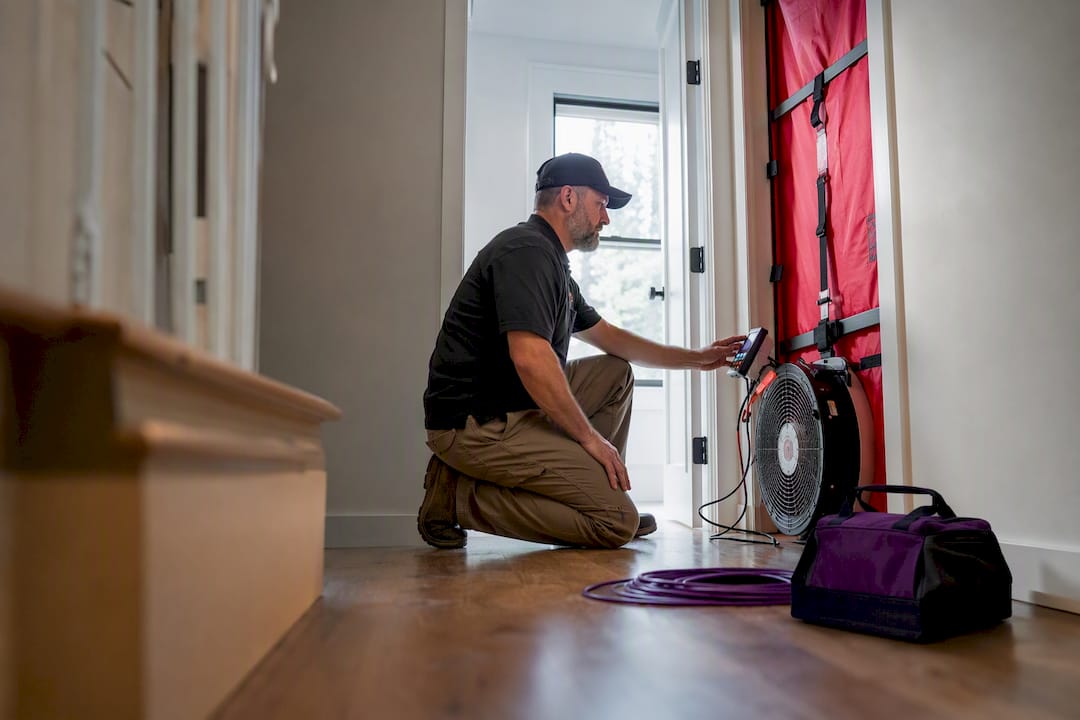
- Air sealing: capped around $500 per home, but only after a contractor verifies a minimum CFM reduction through a blower door test. No measured leakage reduction, no rebate.
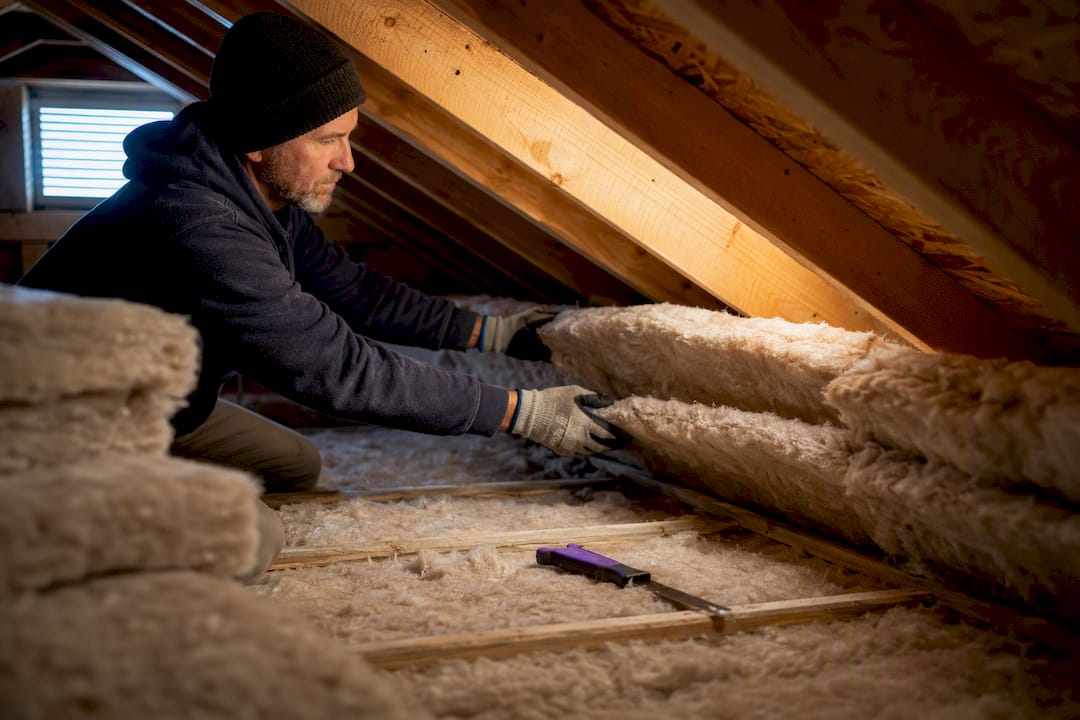
- Attic insulation: capped near $400 per household, generally requiring existing insulation at R20 or below before the job, with a required final R-value target after installation.
- Exterior wall insulation: available on homes with thin or missing existing wall insulation, following the same before-and-after documentation logic as attic work.
- Foundation sidewall insulation: covers basement or crawl space wall insulation, with its own existing-condition threshold.
- Duct sealing: pays out based on verified leakage reduction in ductwork running through unconditioned space like attics and crawl spaces.
- Low-e storm window inserts and high-performance windows: rebates apply per window, with limits on how many units qualify per household.
These figures come from Nicor’s own air sealing and insulation rebate page and its 2026 trade ally program materials, and utility programs revise amounts and qualifiers annually. Confirm the current figure for your specific measure before signing a contract, since a rebate quoted by a contractor from memory may not reflect the current year’s amounts.
Who Qualifies for a ComEd Attic Insulation Rebate or Nicor Program?
Nicor’s insulation rebates run through your gas account, not your electric account, which trips up a lot of homeowners who assume ComEd attic insulation rebate programs and Nicor gas insulation rebate programs are interchangeable. They’re separate utilities with separate rules, though a single project can sometimes qualify for both if you’re a customer of each.
Nicor’s baseline eligibility rules:
- You must be an active Nicor Gas residential customer at the service address where work happens.
- The property must be a single-family home or a building with two units or fewer; larger multi-family buildings fall under separate commercial or multifamily programs.
- Landlords can apply for rental properties they own, but the rebate check or discount typically follows the account holder, not the tenant.
- Attic insulation and wall insulation measures often require air sealing to happen first, since sealing bypasses before insulating locks in the R-value gain.
- Your contractor invoice needs six specific items: contractor name and contact information, the installation address matching your Nicor bill, the installation date, the product manufacturer and model, an itemized cost breakdown, and proof of payment.
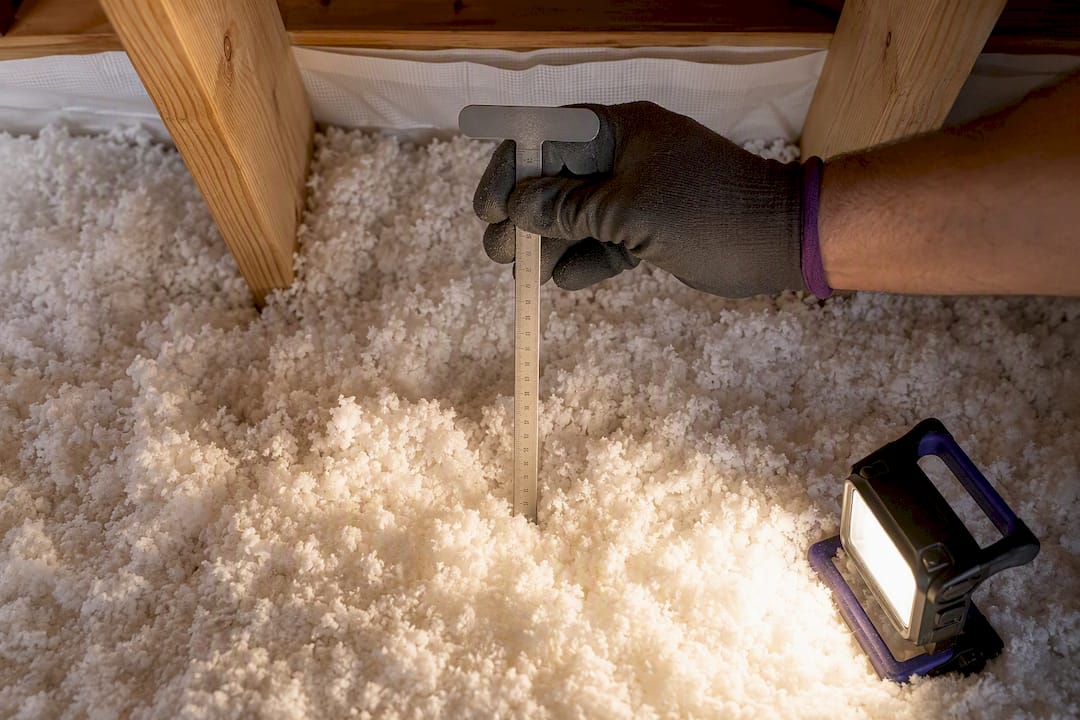
Pro Tip: Ask your contractor to photograph the R-stick reading in your attic before and after the job. Nicor’s rebate terms call for pre- and post-work evidence on many insulation measures, and a missing “before” photo is one of the most common reasons applications stall.
Missing even one invoice line item, per the official rebate application terms, doesn’t just slow things down. It’s the single fastest way to get bounced back for resubmission, and resubmission eats into your 90-day window.
How Do I Apply for Nicor Insulation Rebates?
You have two paths, and the one you pick determines how much paperwork lands on your desk.
- Ask upfront: is your contractor a Contractor Circle installing member? If yes, they can deduct the rebate right at checkout as an instant discount. You sign the invoice, they submit the paperwork, and you never touch a rebate form.
- If not, plan to apply manually. Collect a legible, itemized invoice, keep your proof of payment (canceled check, credit card statement, or receipt), and hold onto any before/after photos your contractor took.
- Sign and submit within 90 days of installation or by January 31, 2027, whichever comes first. Submit online through Nicor’s rebate portal or by mail. If you hire different contractors for different measures, like one for air sealing and another for windows, file separate applications for each.
- Double check four things before hitting submit: the installation date is listed, the account name and address match your Nicor bill exactly, the invoice is readable (not a blurry phone photo), and proof of payment is attached.
Pro Tip: Scan your invoice the day the job finishes, not weeks later. Contractors sometimes reissue invoices with corrected details, and the version you submit needs to be the final one Nicor’s reviewers will match against your account.
Most rejected applications fail on the small stuff: a service address typed differently than the one on the gas bill, an install date left blank, or an invoice that lists a total cost with no line-item breakdown.
Finding a Contractor Circle Installer for an Instant Discount
Nicor maintains a network of program-approved contractors, and only the ones enrolled as Contractor Circle installing members can apply your rebate as an instant discount at the point of sale. Use Nicor’s “Find a Contractor” tool and filter for air sealing and insulation specialties to see who’s currently enrolled in your area.
When the discount applies, it shows up as a line item directly on your invoice, tied to the contractor’s member ID, with your signature confirming you’re accepting the discount in place of a separate rebate claim. That detail matters: once you sign for the instant discount, you can’t also file for the same rebate yourself. The contractor owns that submission.
Before you sign anything, ask your contractor:
- “Are you currently a Contractor Circle installing member, and what’s your member ID?”
- “Can you show me a sample invoice with the rebate line item filled in?”
- “What happens if my application or discount gets flagged by Nicor for review?”
Pro Tip: A contractor who hesitates to answer any of those three questions probably isn’t enrolled, which means you’re stuck filing manually anyway. Better to know before the crew shows up.
How Long Does It Take to Get a Nicor Insulation Rebate?
Once you submit a complete application, expect roughly approximately six to eight weeks for processing. That clock only starts once Nicor has everything it needs. An incomplete file sits, and the delay is on you, not the program.
Keep these deadlines and realities in mind:
- Work must be installed by December 31, 2026, and submitted within 90 days of that install date or by January 31, 2027, whichever comes first.
- Nicor may request home access to verify installed measures before releasing funds.
- Keep copies of everything, your application, invoices, and photos, until the rebate posts.
- Rebate funds are limited and processed first come, first served each program year, according to Nicor’s rebate terms. Waiting until December to schedule work risks the pool running dry before your application lands.
What Contractors Actually Get Right (and Wrong) on Rebate Jobs
A solid pre-job assessment looks the same every time: actual attic measurements, dated photos of the existing insulation, an R-stick reading before work starts, and a written estimate that spells out the scope, not a verbal ballpark scribbled on a business card.
Red flags show up early if you know where to look. A contractor who won’t confirm Contractor Circle status when asked directly is one. So is a bid that skips air sealing entirely to shave the quote, since insulating over unsealed bypasses wastes money on both the job and the rebate eligibility. Missing invoice fields, no manufacturer model listed, no itemized breakdown, are a third.
The rebate paperwork is really just a checklist for good workmanship. A contractor who documents R-values and seals bypasses before insulating is doing the job right regardless of whether a rebate exists. The rebate just rewards it.
The Attic Genius brings air sealing and insulation experience in attic work backed by customer reviews, upfront pricing, written warranties, and timely inspections in many cases.
What Homeowners Get Wrong About Chasing Rebates
Most homeowners treat the rebate as the goal. It isn’t. It’s a discount on work you should be doing anyway, and chasing the dollar amount instead of the underlying job quality is where projects go sideways.
Conventional advice tells you to “find the biggest rebate.” Better advice: find the contractor who documents R-values properly, then let the rebate follow the paperwork trail that good work naturally creates. Air sealing before insulating isn’t a bureaucratic hoop Nicor invented to slow you down. It’s the difference between insulation that performs and insulation that just sits there looking finished.
The other overlooked piece: stacking measures. A homeowner who does air sealing and attic insulation in the same project, through the same contractor, files one clean application instead of piecing together partial upgrades over several years while chasing separate rebate cycles. If your attic and your ductwork both run through unconditioned space, ask about sealing both in one visit. It’s one invoice, one submission, one wait for processing instead of two.
Prioritize the R-value documentation first. The rebate amount is secondary to getting a contractor who actually measures instead of guesses.
— Jim
Get Help With Your Nicor Rebate Project
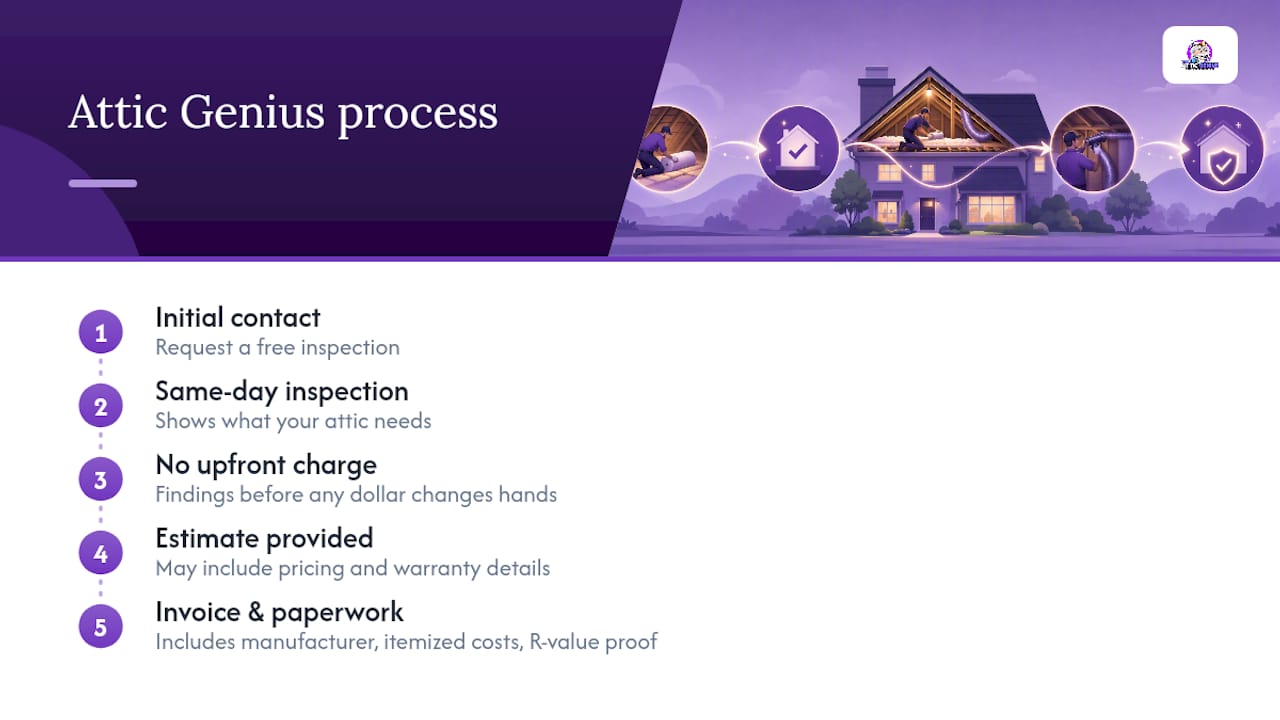
Figuring out which measures qualify, whether your attic’s existing R-value clears the threshold, and whether your contractor is enrolled in Contractor Circle takes real legwork. The Attic Genius handles that legwork for you, starting with a same-day inspection that tells you exactly what your attic needs before a single dollar changes hands.
The Attic Genius serves homeowners in the greater Chicagoland area and parts of Wisconsin with attic insulation, air sealing, and attic ventilation work. Estimates may include upfront pricing and warranty details before work starts, and invoices include documentation that rebate applications typically require: manufacturer details, itemized costs, and pre/post R-value evidence.
If your attic hasn’t been inspected in a few years, request a free inspection and find out whether you’re sitting on an easy rebate, or a bigger energy loss than you realized. Curious what proper attic floor insulation actually looks like first? Start with why attic floors need insulation before you book.
Where to Verify Current Rebate Details
Check Nicor’s own rebate landing page for current offers, the air sealing and insulation fact sheet for measure specifics, the rebate application PDF for invoice requirements, and the DSIRE program listing for an independent program summary.
Sources
FAQ
Is there an Illinois insulation rebate available?
Yes. Nicor Gas offers insulation and air sealing rebates statewide within its service territory, and ComEd runs separate weatherization rebates for electric customers, so check both utility accounts if you’re eligible for each.
Is there a tax credit for insulation in 2026?
Federal tax credits for insulation exist separately from utility rebates and follow different rules and caps; see what changed for attic insulation tax credits in 2026 for how the two programs differ and whether you can claim both on the same project.
What insulation rebates are available in Minnesota?
Minnesota utilities run their own weatherization and insulation rebate programs separate from Nicor, since Nicor Gas serves Illinois customers; Minnesota homeowners should check their local gas and electric utility’s efficiency program pages directly.
How much insulation can I claim on my taxes?
Tax credit caps depend on the specific federal or state program and change year to year; they’re calculated separately from utility rebate dollar amounts, so a Nicor rebate and a tax credit are not the same claim and don’t share a cap.
Can I combine Nicor rebates with other utility or state incentives?
Often, yes. Combining a Nicor gas rebate with a ComEd electric rebate or a state or federal tax credit is generally allowed since they’re administered by different programs, but confirm stacking rules with each program before assuming a combined discount.