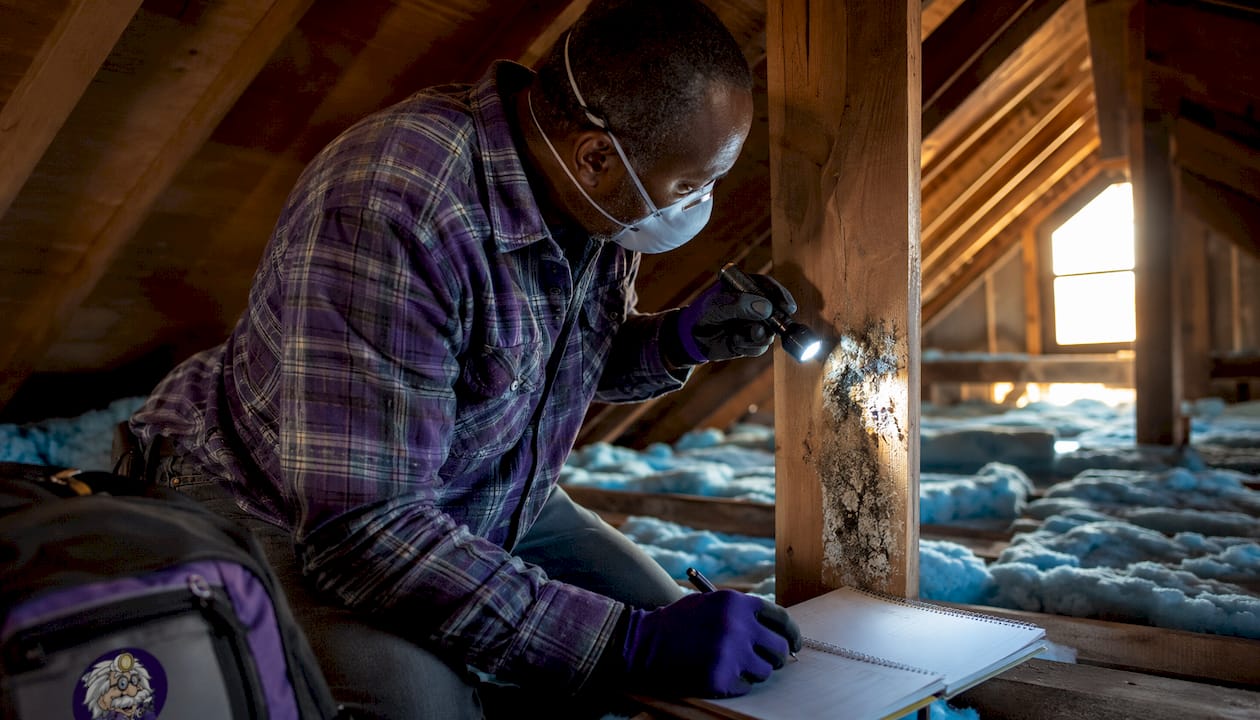
Attic floor insulation is the single most effective thermal upgrade most homes are missing. It creates the boundary between your conditioned living space and the unconditioned attic above, and without it, heat moves freely in both directions. In summer, roof surfaces can reach very high temperatures in summer, pushing attic air temperatures significantly above outdoor levels. That heat presses straight down through your ceiling. In winter, the warmth you paid to generate rises and escapes the same way. The result is higher energy bills, uneven temperatures, and an HVAC system that never quite catches up.
Here is what proper attic floor insulation actually does for your home:
- Establishes the thermal envelope at the attic floor, stopping heat transfer by conduction and convection through the ceiling
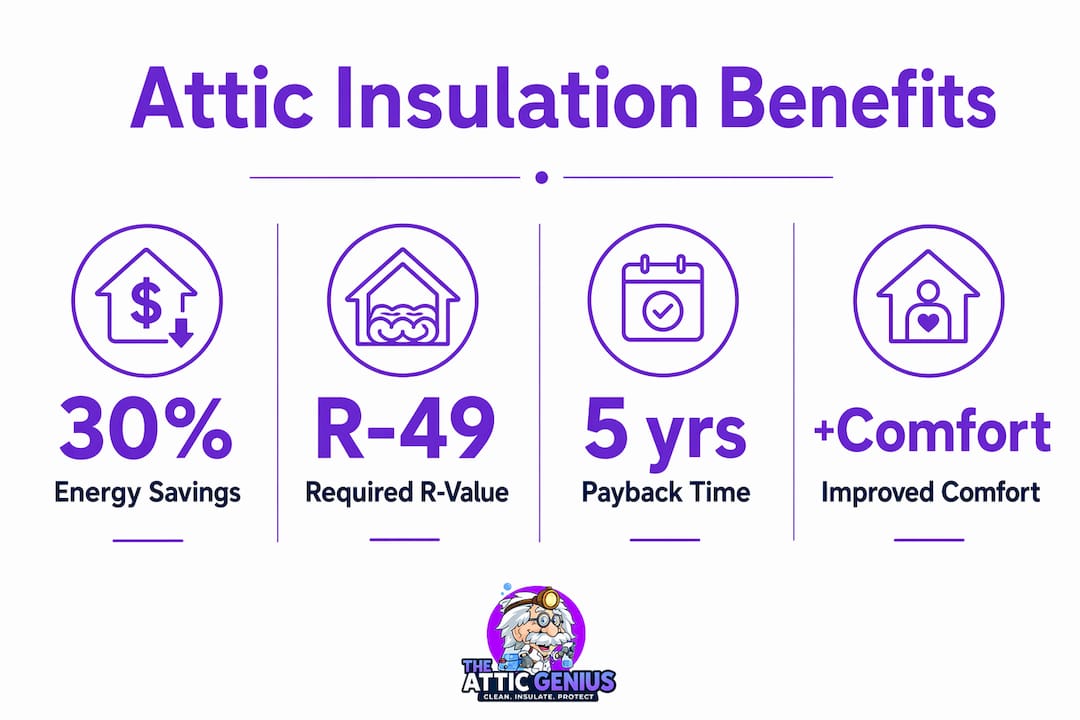
- Reduces heating and cooling losses, with savings up to 20% on energy costs when combined with air sealing
- Stabilizes temperatures on upper floors, eliminating the “hot second floor” problem in summer
- Reduces HVAC cycling, which extends equipment life
- Controls moisture movement between living space and attic, lowering the risk of condensation and ice dams in cold climates
- Improves indoor air quality by limiting drafts that pull unconditioned attic air into living areas
Attic floor insulation vs. attic ceiling insulation: what’s the difference?
These two approaches are not interchangeable. Where you place the insulation determines where your home’s thermal boundary sits, and getting it wrong creates moisture problems and wasted energy.
Attic floor insulation places insulation between the ceiling joists of your top floor and the attic floor above. The attic itself stays unconditioned. This is the standard setup for vented attics, which represent the vast majority of American homes. The thermal boundary stays at the attic floor, keeping conditioned air inside the living space where it belongs.
Attic ceiling (roof deck) insulation moves that boundary up to the roof plane, making the attic itself part of the conditioned space. This is used in unvented, or “conditioned,” attic designs, often when HVAC equipment or ductwork sits in the attic.
| Feature | Attic floor insulation | Roof deck insulation |
|---|---|---|
| Thermal boundary location | Attic floor / ceiling joists | Roof plane / rafters |
| Attic condition | Unconditioned, vented | Conditioned, unvented |
| Best for | Standard vented attics | Attics with HVAC equipment |
| Primary material | Blown-in fiberglass or cellulose | Spray foam, rigid foam board |
| Moisture risk if misapplied | Low (when vented correctly) | High if venting is not eliminated |
Insulating the roof deck of a vented attic is a common and costly mistake. Warm, moist air from the living space can get trapped between the insulation and the roof sheathing, leading to condensation, rot, and mold. If your attic is vented with soffit and ridge vents, the insulation belongs at the floor.
Real benefits of insulating your attic floor
The payoff is both immediate and long-term. Heating and cooling account for a large portion of the average US energy bill (https://www.energy.gov/sites/prod/files/guide_to_home_insulation.pdf), so any reduction in thermal loss through the attic has an outsized effect on what you pay each month.
Temperature stability is the benefit homeowners notice first. Hot second-floor rooms in summer are rarely an HVAC problem. They are almost always a sign of an under-insulated attic floor allowing heat to conduct straight down from the superheated attic above. Proper insulation breaks that path.
The HVAC benefits compound over time. When your system is not fighting a 150°F attic all summer, it runs shorter cycles, wears less, and lasts longer. That translates to fewer service calls and a longer replacement timeline.
- Energy savings: Homeowners can achieve energy savings ranging from 15% to 50% by combining attic floor insulation with air sealing
- Comfort: Consistent temperatures room to room, floor to floor
- HVAC longevity: Reduced run time means less wear on compressors, fans, and motors
- Moisture control: Proper insulation limits warm air from rising into the attic, reducing condensation risk; learn more about moisture and insulation
- Indoor air quality: Less infiltration of attic air means fewer allergens, dust, and pollutants entering living spaces
- Ice dam prevention: In cold climates like Chicagoland, a well-insulated attic floor keeps heat from escaping through the roof and melting snow unevenly
Heating and cooling make up 50–70% of the average US energy bill. Attic floor insulation directly targets that largest slice of your home’s energy use.
What types of insulation work best on attic floors?
Most attic floors get one of three materials, each with real tradeoffs worth knowing before you commit.
Blown-in fiberglass is the most widely installed option for attic floors. It settles into irregular joist bays easily, covers obstructions, and reaches the depth needed for high R-values without much labor. It is non-combustible and does not absorb moisture. The downside is that it can shift over time and requires periodic depth checks to confirm it still meets code.
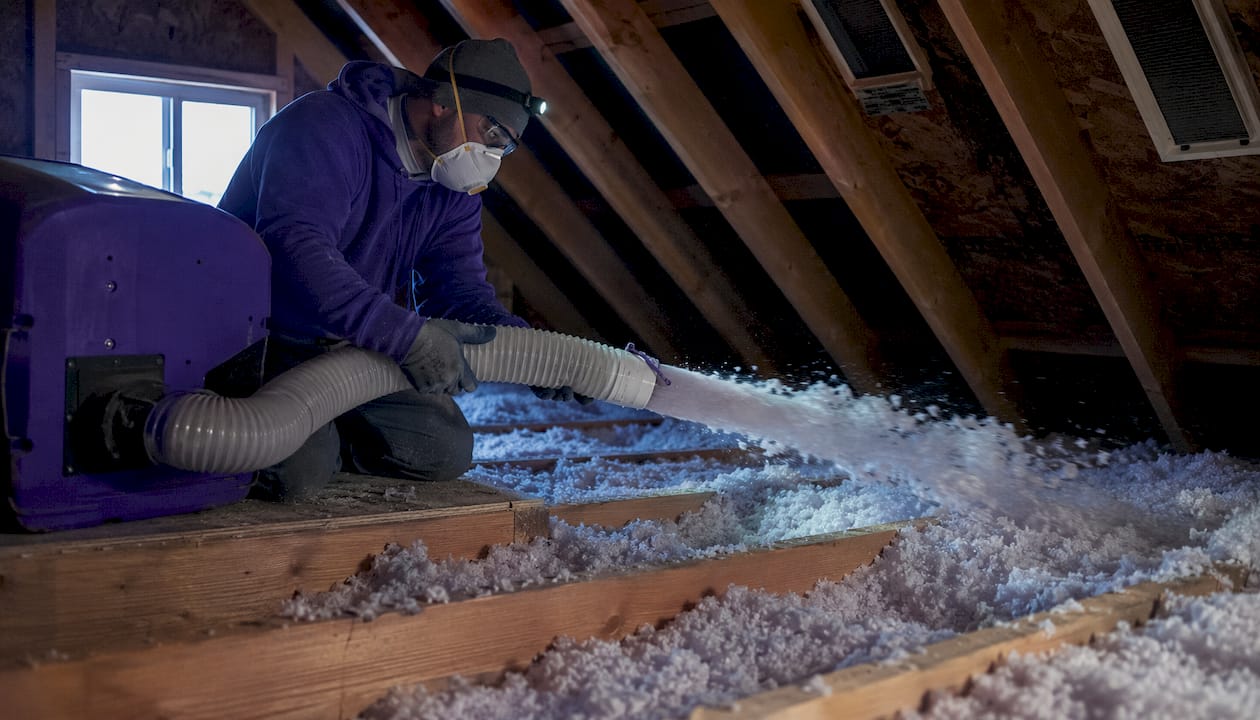
Blown-in cellulose is made from recycled paper treated with fire retardant. It performs similarly to fiberglass in R-value per inch but is denser, which makes it better at resisting air movement within the insulation layer. It costs slightly more than fiberglass in most markets. Cellulose can absorb moisture if a roof leak goes undetected, so it rewards regular attic inspections.
Spray foam is used selectively on attic floors, most often to seal specific air leakage points around top plates, recessed lights, and duct penetrations before blown-in insulation goes on top. Using spray foam as the primary attic floor insulation is expensive and rarely necessary in a standard vented attic setup.
A few practical rules apply to all three:
- Never compress insulation beneath storage platforms or walkways; compression destroys R-value by creating thermal bridges
- Insulation must sit in full contact with the drywall ceiling below, with no gaps or voids
- Unfaced batts (no foil or paper backing) are the correct choice when adding insulation over existing material, so moisture does not get trapped
For a deeper look at how these materials compare across different attic scenarios, The Attic Genius covers attic insulation types in detail.
Vented vs. unvented attics: where does the insulation go?
The type of attic you have determines everything about where insulation belongs. Getting this wrong does not just reduce performance. It can cause structural moisture damage.
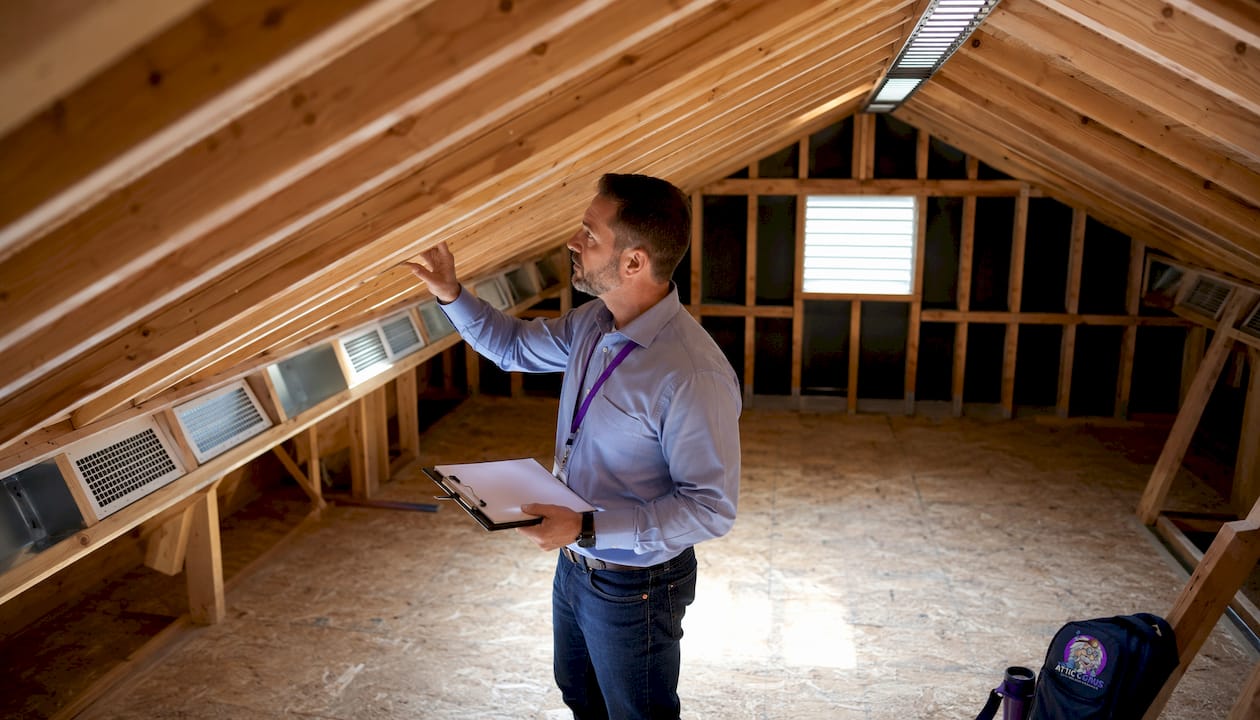
Vented attics have a continuous airflow path from soffit vents at the eaves to a ridge vent at the peak. That airflow keeps the attic dry and close to outdoor temperature. Because the attic is intentionally unconditioned, the insulation goes at the floor, between the ceiling joists of the top floor. This keeps the living space inside the thermal envelope and lets the attic breathe freely above.
Unvented (conditioned) attics eliminate that airflow entirely and move insulation to the roof deck. This design makes sense when HVAC equipment or ductwork sits in the attic, because it brings those systems inside the conditioned envelope. Spray foam or rigid foam board applied to the underside of the roof sheathing is the standard approach.
Factors that determine which approach fits your home:
- Does your attic have functioning soffit and ridge vents? If yes, insulate the floor.
- Is HVAC equipment located in the attic? Conditioned attic design may be worth evaluating.
- Do you have complex coffered ceilings with many penetrations? Roof deck insulation can be easier to air-seal.
- Are you in a cold climate prone to ice dams? A well-insulated, vented attic floor is typically the most reliable solution.
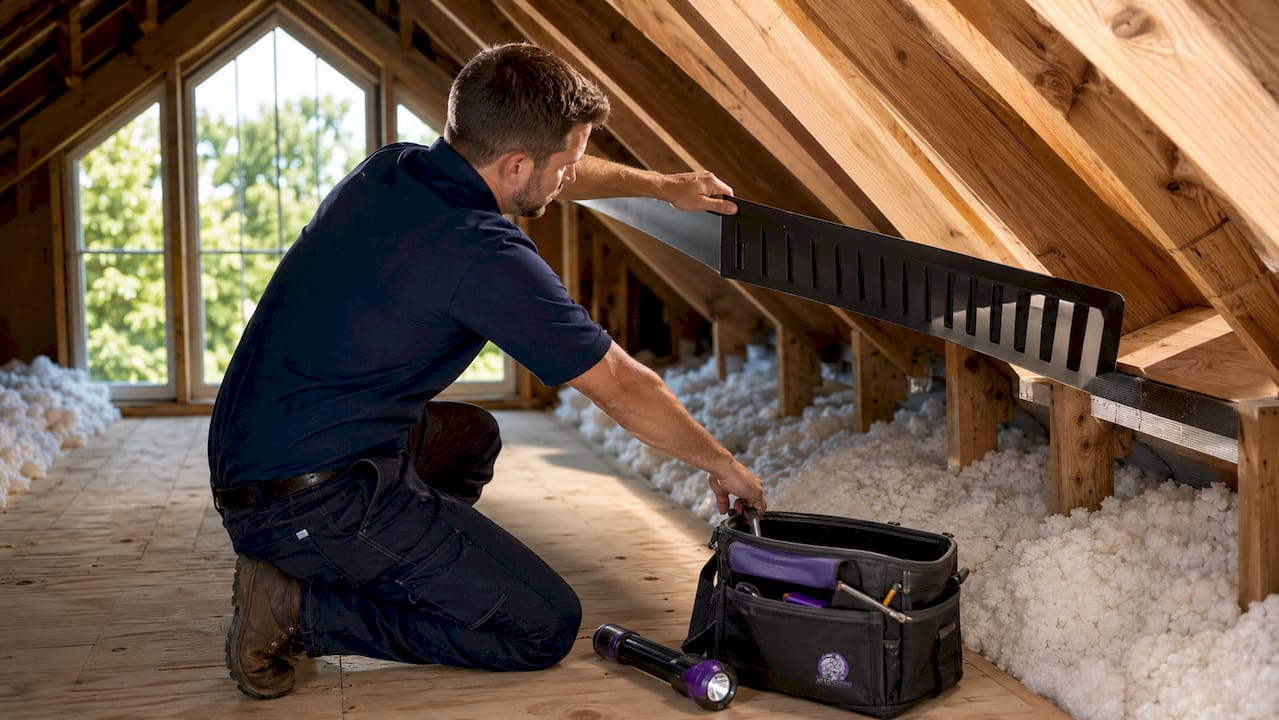
Pro Tip: Before adding any insulation, check that your soffit vents are clear and unobstructed. Blocking them while insulating a vented attic traps moisture and defeats the ventilation system entirely. Attic baffles keep the airflow path open at the eaves.
Signs your attic floor insulation needs an upgrade
Most homeowners do not discover inadequate attic insulation until they notice a symptom that has been building for years.
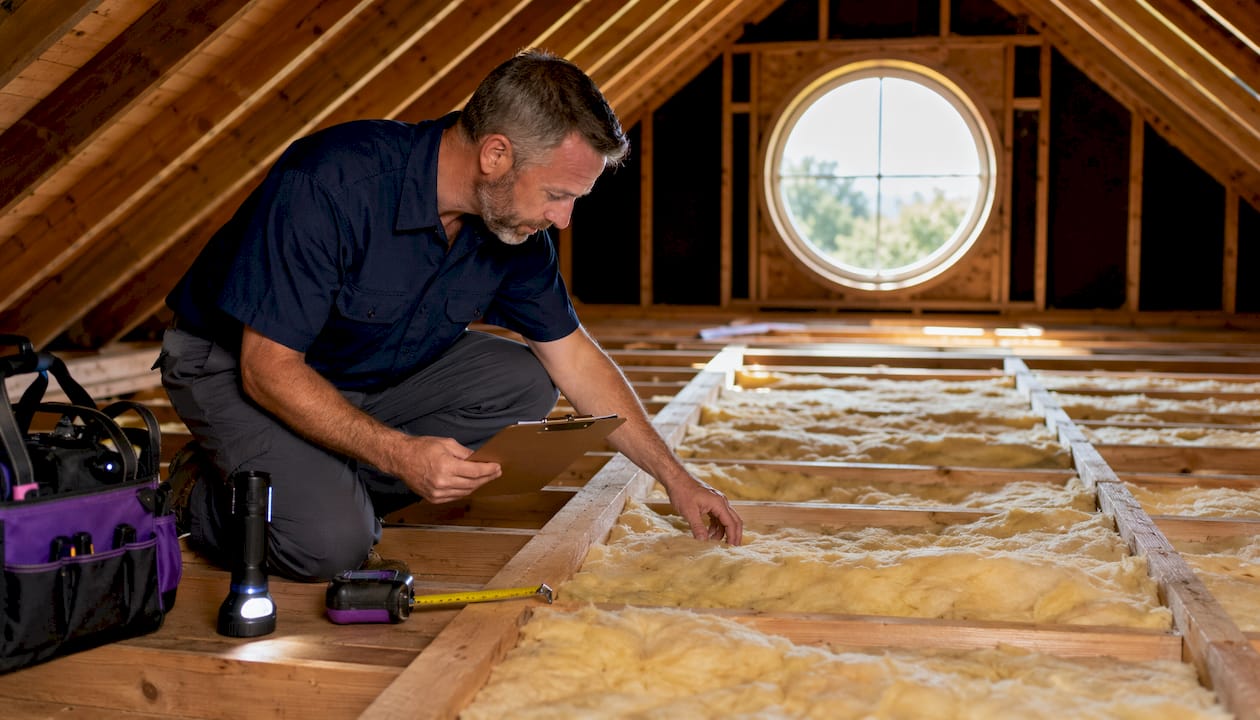
Uneven temperatures upstairs are the most common sign. If your second floor runs noticeably hotter in summer or colder in winter than the rest of the house, the attic floor is almost certainly the cause. The ENERGY STAR standard is clear: if insulation is at or below the level of the floor joists in your attic, you need more.
High energy bills without a clear cause are another reliable indicator. When heating and cooling costs climb without a change in usage habits or rate increases, thermal loss through the attic is a primary suspect.
Other signs worth checking:
- Insulation visibly at or below joist level when you look across the attic floor
- Thin, compressed, or matted insulation that has settled over years
- Visible gaps around the attic access hatch or pull-down stairs
- Drafts near ceiling fixtures or recessed lights on the top floor
- Ice dams forming at the roof edge in winter
Pro Tip: The best time to upgrade attic floor insulation is right before adding it, not after. Air sealing must happen first. Sealing top plates, recessed lights, duct penetrations, and the attic hatch before blowing in insulation is what captures the full energy savings. Skipping air sealing leaves 15–25% of savings on the table.
For a full checklist of warning signs, The Attic Genius has a dedicated guide on attic insulation upgrade signs.
What does attic floor insulation cost, and what do you get back?
Pricing varies by material, attic size, and whether old insulation needs removal first. Blown-in fiberglass and cellulose are the most affordable options for attic floors. Air sealing adds cost but also adds the most to your energy savings return.
Key cost factors to understand before getting quotes:
- Material and labor: Blown-in insulation is priced per square foot installed; larger attics benefit from economies of scale
- Air sealing: Often quoted separately; this step is where a significant portion of the energy savings actually comes from
- Old insulation removal: If existing insulation is contaminated, compressed beyond usefulness, or damaged by pests, removal adds to the project cost; professional attic cleanout services handle this before new insulation goes in
- Attic access improvements: Insulating and weatherstripping the attic hatch is a small cost with a disproportionate impact on air leakage
The US Department of Energy estimates homeowners can save up to 20% on heating and cooling costs by adding attic insulation and reducing air leaks. Given that heating and cooling represent the largest share of most energy bills, the payback period on a well-executed attic insulation project is typically measured in years, not decades.
When evaluating contractor quotes, look for itemized breakdowns that separate air sealing from insulation installation. A quote that bundles everything with no detail makes it impossible to know whether air sealing is actually included.
What the research and 2026 standards say about attic floor insulation
The 2021 International Energy Conservation Code (IECC) sets attic insulation R-value requirements at R-49 to R-60 depending on climate zone. Most of the Midwest, including the Chicagoland area, falls in a zone requiring R-49 or higher. Homes built before the 2000s frequently have R-19 or less, which means they are operating at roughly a third of the current standard.
Air sealing is not optional under current best practices. Critical leakage sites include top plates, recessed lighting fixtures, duct penetrations, attic hatches, and chimney chases. Professionals typically pull back existing insulation or floorboards to access these points before sealing and reinstalling. Failing to seal them first means convective heat loss continues regardless of how much insulation sits on top.
| Climate zone | Minimum R-value (2021 IECC) | Typical US regions |
|---|---|---|
| — | R-49 | Southern Florida, Hawaii |
| — | R-49 | Southeast, Mid-Atlantic |
| — | R-49 to R-60 | Midwest, Northeast, Pacific Northwest |
| — | R-60 | Northern Minnesota, Alaska |
Compression is the installation error that most often undermines otherwise adequate insulation. Insulation compressed beneath storage platforms or walkways loses R-value through thermal bridging. The fix is to raise the platform framing so insulation can sit at full depth beneath it, in contact with the drywall ceiling below.
The Attic Genius brings 25+ years of combined experience to attic insulation projects across Chicagoland, with 400+ five-star reviews and same-day inspections available. Avoiding the most common installation errors, from skipped air sealing to compressed insulation, is where professional installation earns its cost. The Attic Genius covers the most frequent DIY insulation mistakes in a separate guide worth reading before any project.
Key Takeaways
Attic floor insulation is the most cost-effective single upgrade most homes can make to reduce energy waste and stabilize indoor temperatures year-round.
| Point | Details |
|---|---|
| Thermal boundary location | In vented attics, insulation belongs at the attic floor, not the roof deck. |
| Energy savings potential | Adding attic insulation with air sealing can substantially reduce heating and cooling costs. |
| Current code standard | The 2021 IECC requires R-49 to R-60 for attic floors depending on climate zone. |
| Air sealing comes first | Skipping air sealing before insulating leaves a notable portion of potential energy savings unrealized. |
| Compression destroys performance | Insulation compressed beneath storage platforms loses R-value through thermal bridging. |
Ready to stop losing heat through your attic?

If your attic insulation is at or below joist level, or if you have never had it professionally assessed, the energy and comfort losses are happening right now. The Attic Genius offers same-day inspections, upfront pricing, and written warranties across the Northwest Suburbs and greater Chicagoland area. Whether you need a top-up, a full upgrade, or complete removal and replacement, the team assesses exactly what your home needs before any work begins.
Planning to sell? Attic insulation is one of the highest-return upgrades you can make before listing. The Attic Genius’s 2026 pre-sale insulation guide walks through exactly what buyers and inspectors look for.
Request a free inspection and find out where your home stands.