
Crawl space insulation typically costs between $0.50 to $7 per square foot, with a 1,000 to 1,500 square foot space ranging from $750 to $6,000 for basic floor insulation or $3,000 to $12,000 for full encapsulation. These costs vary significantly based on the insulation material, the size of the crawl space, and additional work like water drainage or pest cleanup. Full encapsulation, which includes vapor barriers and dehumidifiers, offers long-term benefits in humid climates with paybacks typically between five and ten years. Rigid foam and closed-cell spray foam provide superior moisture resistance and durability, lasting 25 years or more in dry conditions, unlike fiberglass batts that may need replacement after 10 to 15 years.
Expect to pay roughly $0.50 to $7 per square foot depending on material and scope. A typical 1,000 to 1,500 square foot crawl space runs about $750 to $6,000 for basic floor insulation, or $3,000 to $12,000 for full encapsulation. Encapsulation costs more upfront, but it tends to be the better long-term call in humid climates, with paybacks in the 5 to 10 year range.
TL;DR:
- Encapsulation offers long-term benefits in humid climates, with payback periods typically between five and ten years, despite higher upfront costs.
- Rigid foam and closed-cell spray foam provide superior moisture resistance and durability, lasting 25 years or more in dry conditions, unlike fiberglass batts that may need replacement after 10 to 15 years.
- Costs vary significantly based on insulation material, size of the crawl space, and additional work like water drainage or pest cleanup, often inflating initial estimates.
- Full encapsulation, including vapor barriers and dehumidifiers, costs between $3,000 and $15,000, with prices rising for homes with moisture, pest issues, or low crawl space access height.
- DIY insulation is feasible only for basic floor batts in dry, accessible spaces, while spray foam and encapsulation should be handled by professionals to prevent moisture trapping and ensure proper sealing.
Table of Contents
- How Much Does Crawl Space Insulation Cost Per Square Foot?
- Which Insulation Material Gives You the Best Value?
- Should You Encapsulate the Crawl Space or Just Insulate the Floor?
- What Drives Crawl Space Costs Higher Than the Base Estimate?
- What Should a Full Crawl Space Insulation Estimate Include?
- Is DIY Crawl Space Insulation Worth the Savings?
- How Do You Compare Crawl Space Insulation Quotes?
- What Homeowners Get Wrong About Crawl Space Costs
- Get an Accurate Crawl Space Insulation Quote
- Sources
How Much Does Crawl Space Insulation Cost Per Square Foot?
Here’s the quick math homeowners use before calling contractors.
- Basic floor insulation (fiberglass batts or blown-in): $0.50 to $3 per square foot installed.
- Rigid foam wall insulation for encapsulation: $1.50 to $4.50 per square foot installed.
- Closed-cell spray foam: $3 to $8 per square foot installed.
For a 1,000 square foot crawl, that lands around $500 to $3,000 for basic work or $3,000 to $8,000 for a full encapsulation job. Bump up to 1,500 square feet and basic insulation runs roughly $750 to $4,500, while encapsulation can hit $4,500 to $12,000. At 2,000 square feet, budgets stretch from $1,000 to $6,000 on the low end up toward $13,500 for a heavily itemized encapsulation project, according to Crawlspacecosts. Chicago-area jobs tend to sit in the middle to upper half of these ranges because of older housing stock, deeper frost lines, and more moisture-driven prep work.
Which Insulation Material Gives You the Best Value?
Material choice affects your bill and your basement’s performance for the next 20 to 30 years, and cheap options often cost more in the long run once you factor in failure and replacement.
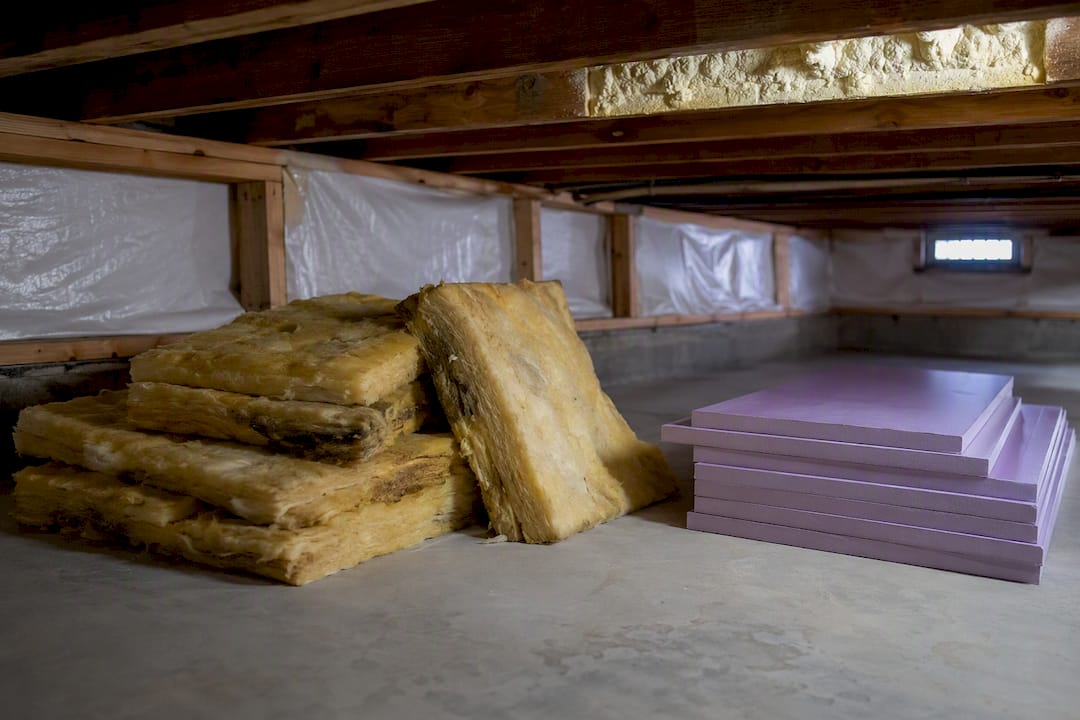
- Fiberglass batts: the lowest installed cost, but they sag, absorb moisture, and lose R-value fast in a damp crawl. Many pros steer homeowners away from batts unless they’re paired with a sealed, conditioned space, according to Insulationrvalues.
- Blown-in cellulose or mineral wool: a midrange option with better fill around obstructions, though it still carries moisture risk in vented crawls.
- Rigid foam boards (XPS, EPS, or polyiso): strong moisture resistance at a moderate cost, and the standard choice for interior perimeter walls.
- Closed-cell spray foam: the priciest option, but it delivers the best air sealing and holds its R-value for decades.
Pro Tip: R-value matters less than placement. A rigid foam wall system installed correctly can outperform a thicker batt job installed in the wrong spot. PNNL’s Building America Solution Center recommends rigid foam or closed-cell spray foam specifically where a continuous, low-permeance air barrier is the goal.
Lifespan tracks with moisture exposure: batts often need replacement within 10 to 15 years in a vented crawl, while rigid foam and closed-cell spray foam routinely last 25 years or more when the space stays dry.
Should You Encapsulate the Crawl Space or Just Insulate the Floor?
This is the decision that determines almost everything else about your budget. Floor insulation keeps the crawl vented and cold, insulating the joists above. Encapsulation seals the entire space, insulates the perimeter walls instead of the floor, and conditions the air inside it.
A typical encapsulation package includes:
- A heavy-duty vapor barrier across the entire ground surface.
- Rigid foam or closed-cell spray foam on the interior walls.
- Sealing of foundation vents.
- A dehumidifier sized for the space.
Floor insulation alone might run $750 to $5,000 for an average home. Full encapsulation, with all its components, typically lands between $3,000 and $15,000, per Angi’s cost data on crawl space insulation. Building Science Corporation recommends conditioned, sealed crawl spaces over vented ones in most climates, since vented crawls pull in humid air that condenses on cold joists. Encapsulation earns its price fastest in humid regions, homes with ductwork or plumbing running through the crawl, or any house with a documented water history.
What Drives Crawl Space Costs Higher Than the Base Estimate?
Quotes rarely stay at the per-square-foot sticker price once a contractor actually gets under the house. A few line items routinely inflate a bid.
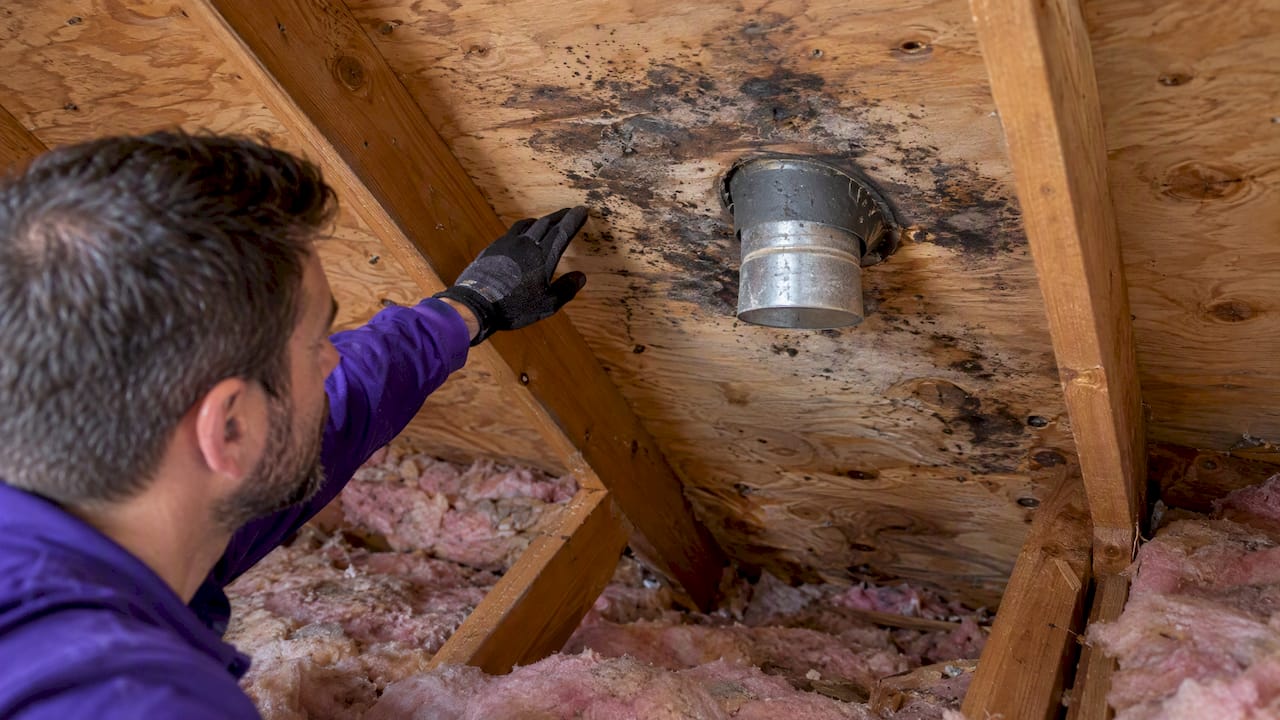
- Pest waste and contamination cleanup: rodent droppings or old nesting material in existing insulation add cleanup costs before any new material goes in.
- Standing water or drainage problems: grading, a sump pump, or a French drain system can add $500 to $2,000 or more.
- Vapor barrier grade: a 12 to 20 mil polyethylene sheet costs more than a 6 mil sheet, but it resists tears and punctures for decades longer, according to InsulationRValues.com’s encapsulation guidance.
- Access and headroom: crawl spaces under 24 inches high slow crews down and raise labor costs.
- Old insulation removal: pulling failed batts or moldy material typically adds $200 to $1,500 to the job.
Pro Tip: Ask any contractor to inspect for moisture and pest history before quoting. A number that ignores those attic moisture problems style issues almost always changes once the crew opens the access hatch.
What Should a Full Crawl Space Insulation Estimate Include?
A complete bid should break down into recognizable components rather than one lump number, and knowing the typical range for each piece helps you spot what’s missing.
- Vapor barrier: $500 to $3,000 depending on thickness and square footage.
- Dehumidifier: $500 to $2,000, plus ongoing filter and maintenance costs.
- Sump pump or drainage system: $500 to $2,000 when moisture control is needed.
- Rim joist air sealing and insulation: often bundled into the wall package.
- Access hatch upgrade: usually a smaller line item, sometimes bundled with the vapor barrier install.
Some contractors bundle the vapor barrier and wall insulation into one price and itemize the dehumidifier and drainage separately, according to CrawlSpaceCosts.com’s breakdown of add-on costs. Ask whether the dehumidifier carries a manufacturer warranty and what routine service costs, since that recurring expense affects your total cost of ownership more than the install price does. A written warranty on the whole system, not just the material, is worth more than a slightly lower quote.
Is DIY Crawl Space Insulation Worth the Savings?
Material-only costs for a DIY batt job might run $300 to $1,200 for an average crawl, against $750 to $5,000 professionally installed. That gap looks tempting until you weigh the risks.
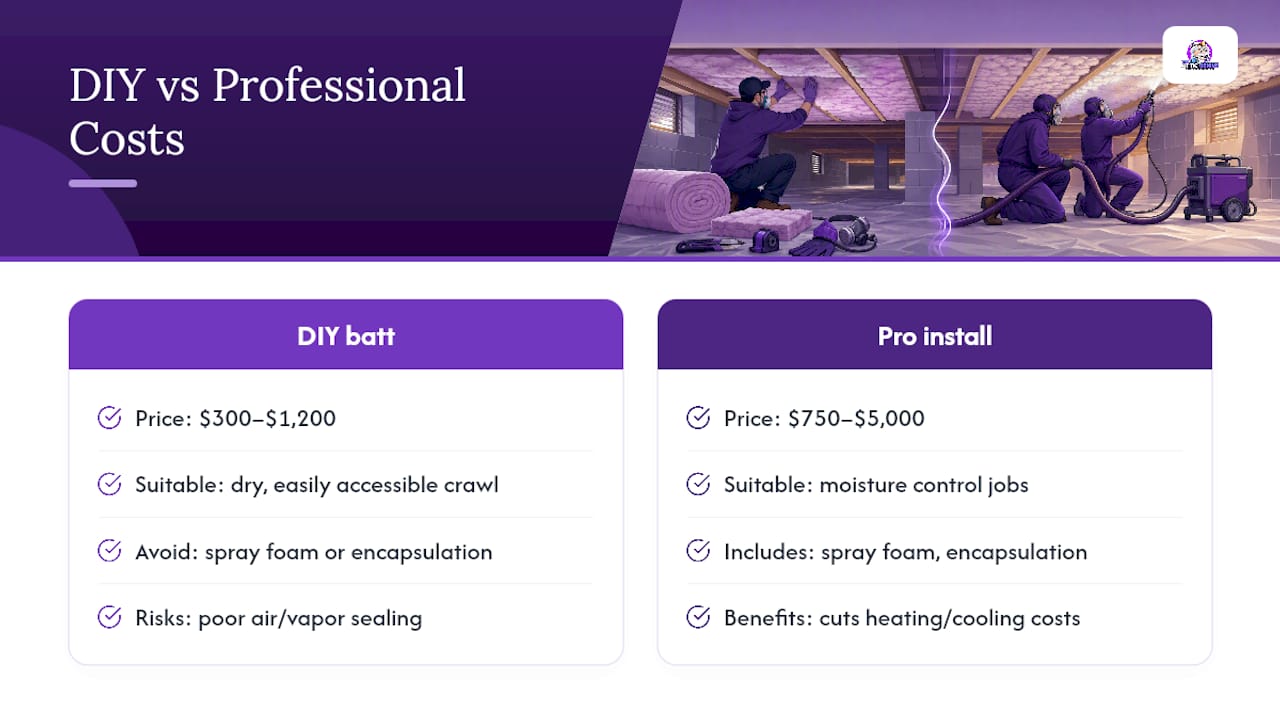
Closed-cell spray foam and full encapsulation are poor DIY candidates. Spray foam requires proper mixing ratios and ventilation, and a botched application can trap moisture behind an air barrier that never cures right. Vapor barrier and sealing work done without attention to air sealing bypasses can leave gaps that undo most of the intended savings.
Professional installations commonly cut heating and cooling costs by a significant percentage annually, with typical payback periods of several years, according to EPA Energy Star contractor guidance. DIY floor insulation with basic batts can be reasonable for a dry, easily accessible crawl. Anything involving moisture control, spray foam, or wall encapsulation belongs with a professional crew.
How Do You Compare Crawl Space Insulation Quotes?
Get three quotes and make sure each one specifies the same scope, or you’re comparing apples to concrete. Ask every contractor these questions before signing anything:
- Are you licensed and insured for this type of work in this state?
- What vapor barrier thickness are you quoting, in mils?
- What R-value are you targeting, and where is the insulation being placed?
- Who removes and disposes of the existing insulation, and is that included?
- Can you provide references from similar crawl space jobs?
- Is there a written warranty, and what exactly does it cover?
- Do you have photos of comparable completed projects?
- What size dehumidifier are you specifying, and why?
- Does the warranty cover moisture damage, or just material failure?
- What’s your change-order policy if hidden damage turns up mid-project?
A quote that skips the dehumidifier sizing or vapor barrier thickness is a quote you can’t compare against anyone else’s.
What Homeowners Get Wrong About Crawl Space Costs
The biggest surprise homeowners run into isn’t the price tag. It’s what’s already under the house: old insulation contaminated with rodent waste, standing water nobody mentioned during the walkthrough, or a “quote” that quietly excluded prep work. At The Attic Genius, we’ve built our process around same-day inspections and written warranties specifically because verbal estimates rarely survive contact with a real crawl space. With 25+ years of combined experience and 400+ five-star reviews across Chicagoland, our take is simple: the cheapest bid is only cheap until the missing line items show up.
— Jim
Get an Accurate Crawl Space Insulation Quote
The Attic Genius handles the full scope, not just the parts that are easy to quote over the phone. That means a same-day inspection that actually checks for moisture, pest contamination, and access issues before we ever hand you a number, so the price you get is the price you pay.

Book an inspection and we’ll walk your crawl space, flag any prep work up front, and give you a written quote covering removal, insulation, vapor barrier, and dehumidifier sizing, backed by a written warranty. If you’re also weighing attic insulation upgrades alongside your crawl space project, we handle both under one roof, one visit, and one estimate. Explore our basement and crawl space insulation services and request your inspection today.
Sources
For more on the building science behind these numbers, see Building Science Corporation’s crawlspace guidance and DOE’s air sealing recommendations.
- Building Science Corporation — crawlspace insulation guidance
- Crawlspacecosts
- Angi — crawl space insulation cost ranges
- PNNL / Building America Solution Center — insulating crawl space floors