
Large accumulations of bat guano in an attic are considered a biohazard due to the risk of airborne Histoplasma spores, which can cause serious illness, especially in vulnerable individuals. While scattered droppings on surfaces can be safely cleaned by homeowners using proper personal protective equipment (PPE) and enzymatic cleaners, deeply packed guano or contamination soaked into insulation requires professional remediation. Professional attic bat guano cleanup and restoration typically costs between $1,500 and over $9,000, with insulation replacement often being the most significant expense.
Large piles of bat guano in an attic count as a biohazard, and that means no dry-sweeping, no household vacuum, and no shortcuts. Call in professional remediation. If what you’re looking at is a scattering of droppings rather than a mound, you can usually handle it yourself with the right PPE and a damp-clean method, but only after the bats are gone. Anyone immunocompromised in the house should skip DIY entirely and check with a doctor if symptoms show up after exposure.
TL;DR:
- Large guano piles require professional cleanup due to biohazard risks, especially when deeply packed or soaked into insulation.
- Dried guano dust becomes airborne spores that can cause serious illness in vulnerable individuals, particularly in humid, warm attics.
- DIY removal is only safe for scattered droppings on surfaces, using proper PPE and enzymatic cleaners, never for piled-up or embedded contamination.
- Full remediation costs typically range from $1,500 to over $9,000, with insulation replacement often being the largest expense.
- Long-term prevention involves inspecting and sealing exterior entry points, installing exclusion devices, and monitoring for new signs of bat activity twice annually.
Table of Contents
- Identifying Bat Guano in Your Attic
- Health Risks of Bat Guano: Histoplasmosis and Who’s Most Vulnerable
- When You Should Hire a Professional
- Safe DIY Cleanup: When It’s Actually an Option
- Professional Cleanup and Attic Restoration Costs
- Keeping Bats Out for Good
- Attic Restoration: Insulation, Odor, and Air Quality Checks
- How Guano Affects Indoor Air Quality and Ventilation
- Proper Disposal of Bat Guano Waste
- Long-Term Monitoring After Cleanup
- The Attic Genius Perspective: What We See That Homeowners Miss
- Ready to Deal With It? Here’s the Practical Next Step
- Sources
Identifying Bat Guano in Your Attic
Bat droppings look like dark, crumbly pellets, roughly a quarter inch to half an inch long, often shiny with insect fragments if you break one open (mouse droppings, by comparison, are more uniformly smooth and don’t crumble the same way). Fresh guano is soft and dark; older deposits dry out, turn gray or brown, and crumble into a fine dust that’s the real hazard, since that’s the form that becomes airborne. You’ll typically find it piled along rafters, tucked into insulation, or collecting in corners near knee walls where bats roost during the day.
A few other clues confirm you’re dealing with an active colony rather than a one-time visitor:
- Scratching or fluttering sounds in the walls or ceiling around dusk and dawn
- Bats seen exiting or entering the same gap at twilight
- Dark, greasy rub marks around vents, gable ends, or roofline gaps, from body oils as bats squeeze through
- A sharp, ammonia-like smell that gets stronger near roosting sites
If droppings are scattered in a small area, you’re likely looking at a minor issue. Piles several inches deep, or guano packed into insulation across a wide section of the attic, point to a longer-established colony and a bigger job.
Health Risks of Bat Guano: Histoplasmosis and Who’s Most Vulnerable
The real danger isn’t the guano itself. It’s what grows in it. Histoplasma is a fungus that thrives in material contaminated with bat or bird droppings, and when dried guano gets disturbed, whether by sweeping, shoveling, or even walking through it, its spores can become airborne and get inhaled. That’s how histoplasmosis infections start.
Risk scales with volume. A handful of scattered pellets poses very low risk. A deep, undisturbed pile in a warm, humid attic is a different story: those conditions are exactly where Histoplasma grows best, and public-health guidance is blunt about it: large accumulations belong to professional hazardous-waste cleanup crews, not homeowners with a shop vac.
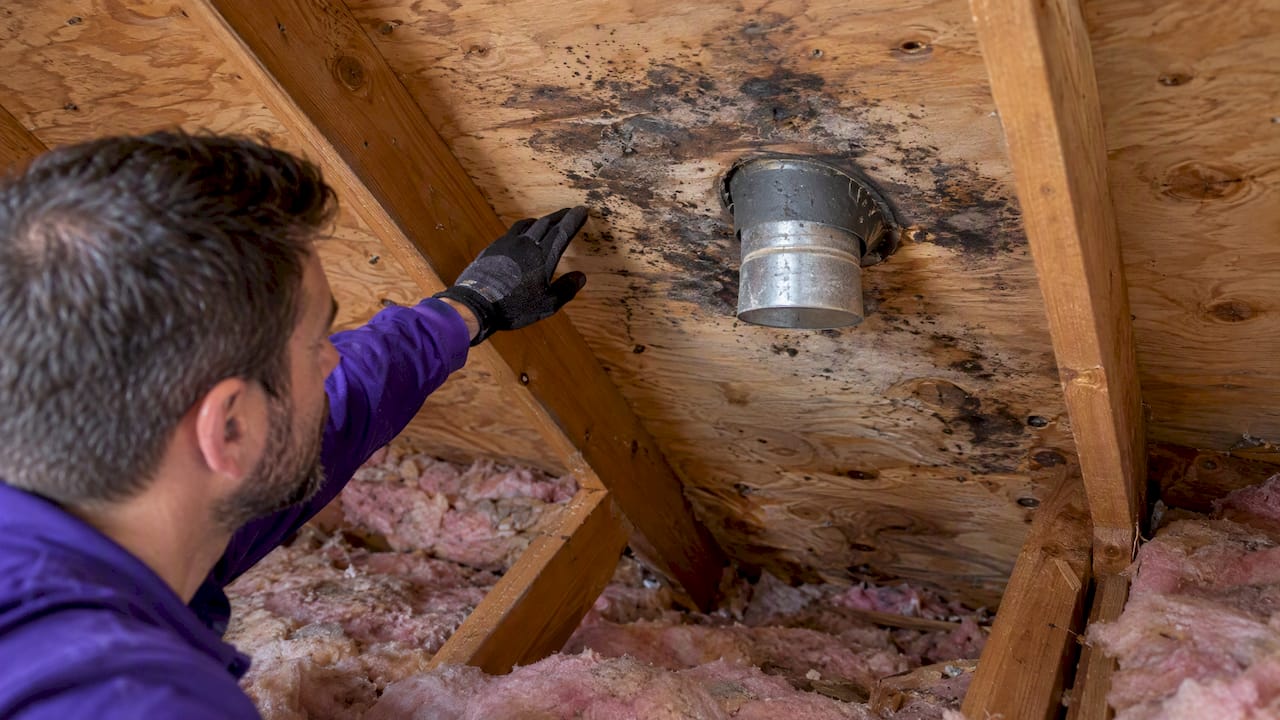
Older adults, pregnant women, young children, and anyone immunocompromised face a higher chance of serious illness if exposed. If someone in that group has been near a guano pile and develops flu-like symptoms, a fever, or breathing trouble in the following weeks, that’s worth a call to a healthcare provider, not a wait-and-see approach. Beyond the health angle, don’t ignore the secondary damage: guano and urine soak into wood and insulation, feeding rot, and heavy deposits can draw mites and other pests looking for an easy meal.
When You Should Hire a Professional
Some situations don’t leave room for a DIY attempt. Call a remediation company if you’re dealing with:
- Guano piled several inches deep or packed into insulation across a large area
- Insulation visibly soaked or matted from urine
- A persistent ammonia smell that reaches living spaces below the attic
- Kids, elderly relatives, or anyone immunocompromised living in the home
Professional crews handle this differently than a homeowner ever could. Expect one-way exclusion devices to clear the colony first, HEPA vacuum extraction, negative-air containment to keep spores from spreading into the rest of the house, enzymatic decontamination, and insulation removal and replacement where needed. Crucially, public-health guidance recommends waiting roughly one to two weeks after bats are excluded before any cleanup starts, giving stragglers time to leave and avoiding a scenario where you’re cleaning up a colony that’s still partially in residence.
Pro Tip: Before hiring anyone, ask for proof of liability insurance, the specific HEPA vacuum model they use, respirator class (N95 or P100), and at least two references from similar jobs.
Safe DIY Cleanup: When It’s Actually an Option
DIY cleanup only makes sense for small, scattered droppings sitting on a surface, not piled up and not worked into insulation. If you’re looking at anything embedded or heavy, stop and call someone.
For the limited cases where DIY is reasonable, gear up properly first:
- N95 or, better, P100 respirator
- Disposable gloves
- Disposable coveralls
- Eye protection
- Boots you can hose off or throw away
From there, the method is straightforward. Lightly mist the droppings with water to keep dust down, scoop them into a plastic bag using a small tool rather than your hands, double-bag it, and seal it tight. Wipe down nearby surfaces with a HEPA vacuum, never a standard household model, since regular vacuums blow fine particles right back into the air you’re breathing.
Pro Tip: Never use bleach on bat guano. Mixing bleach with guano can produce noxious gases, so stick with enzymatic cleaners built for organic waste instead.
Professional Cleanup and Attic Restoration Costs
A full remediation job follows a fairly consistent sequence: inspection, confirming the bats are excluded, containment setup, HEPA extraction of contaminated material, enzymatic decontamination, insulation removal and replacement where it’s saturated, structural repairs if rot has set in, and a final clearance check before the crew calls it done.
Cost swings widely depending on how bad the infestation is:
- Spot cleanup: roughly $500 to $1,200
- Standard remediation: roughly $1,500 to $4,000
- Full attic restoration: $4,500 to $9,000 or more, depending on colony size, insulation damage, and how much structural repair is needed
Insulation replacement is usually the single biggest line item on the invoice, and it’s often unavoidable. Once urine has soaked through insulation, no amount of surface cleaning fixes the smell or the contamination underneath, so tearing it out and starting fresh is the only real solution. If you’re weighing that decision, this breakdown of attic insulation after pest infestation walks through when replacement makes sense versus a partial fix.
When you’re comparing quotes from different companies, ask for an itemized scope of work, proof of proper waste disposal, the specific HEPA equipment they’ll use, and written warranty terms. A vague one-line estimate is a red flag no matter how good the price looks.
Keeping Bats Out for Good
Cleanup solves today’s problem. Exclusion and building fixes solve the recurring one.
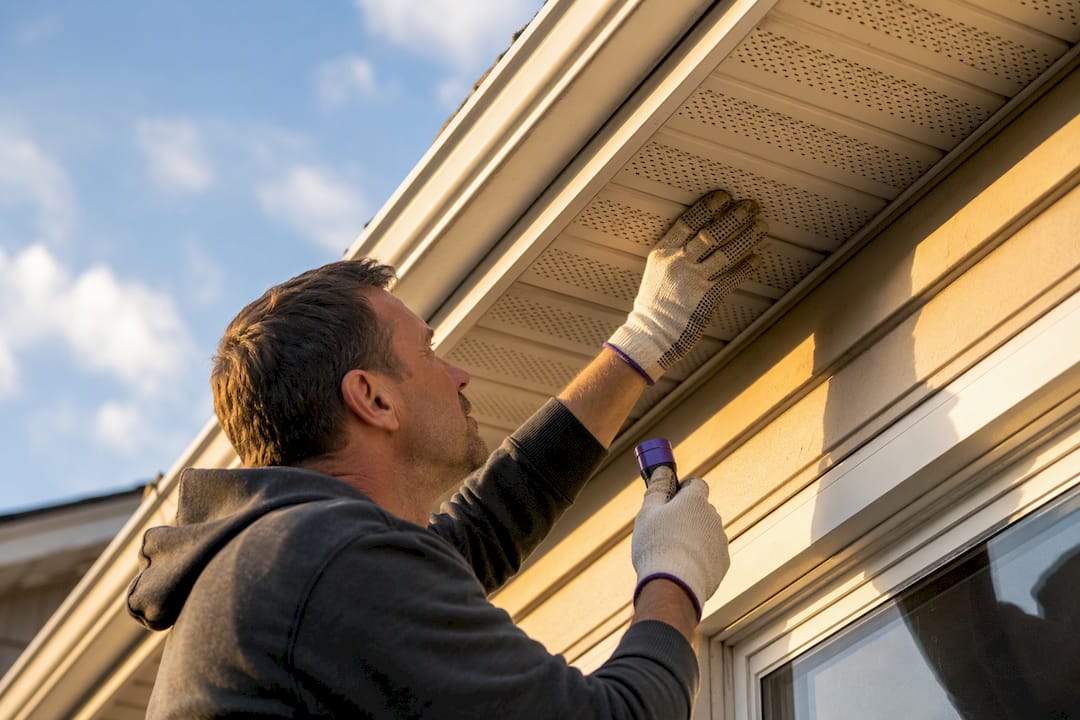
- Walk the exterior and check soffits, roof vents, gable ends, and rooflines for gaps larger than a half inch. Bats need surprisingly little room to squeeze through.
- Have a professional install one-way exclusion devices rather than sealing entry points outright. Sealing bats inside creates a dead-animal problem that’s worse than the one you started with.
- Once the colony is confirmed gone, seal the remaining gaps permanently and add or repair vent screens.
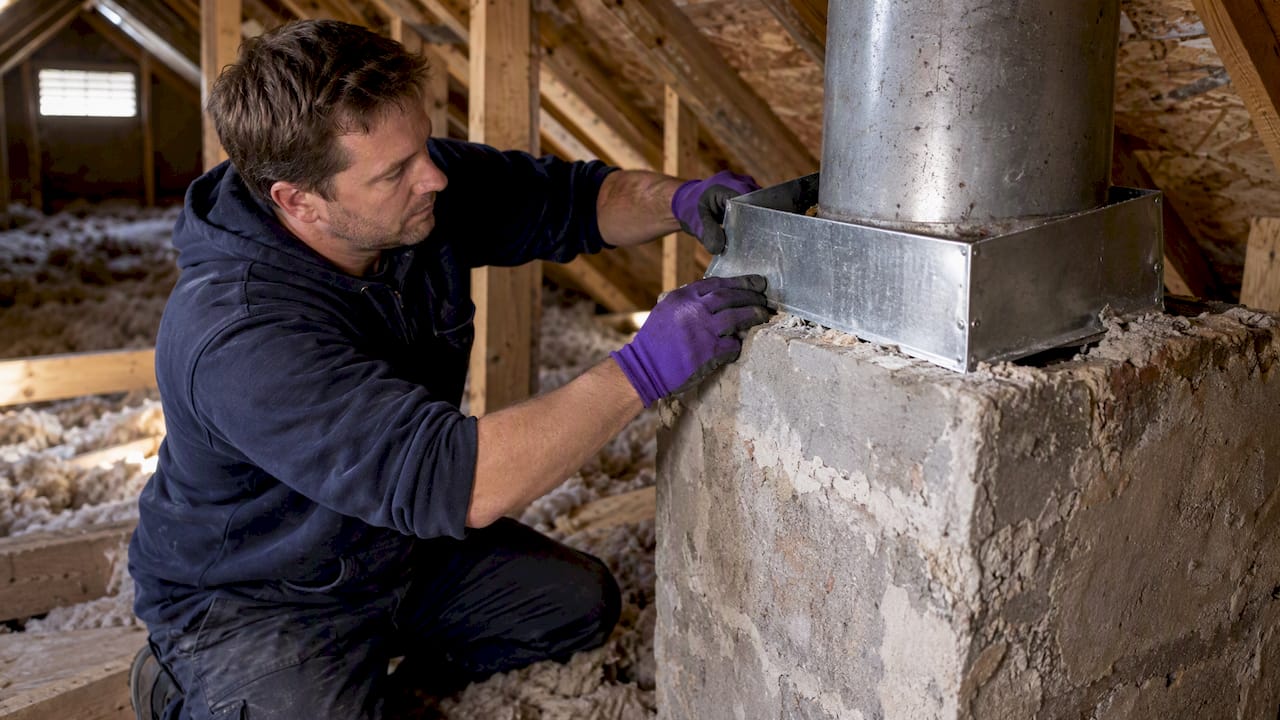
- Improve air sealing between the attic and living space, and confirm soffit and ridge vents are clear so airflow doesn’t create the warm, still pockets bats prefer for roosting. A good air sealing services job pays off here twice, once for pest prevention and once for your energy bill.
Timing and legality matter too. Many states restrict bat exclusion during maternity season, roughly late spring through summer, because flightless pups can get trapped and die inside walls if adults are excluded too early. When in doubt, check with your state wildlife agency before starting any exclusion work.
Attic Restoration: Insulation, Odor, and Air Quality Checks
Insulation gets replaced when it’s urine saturated, visibly compressed, or still holding onto odor after a thorough clean. Trying to salvage contaminated insulation almost never works out cheaper in the long run.
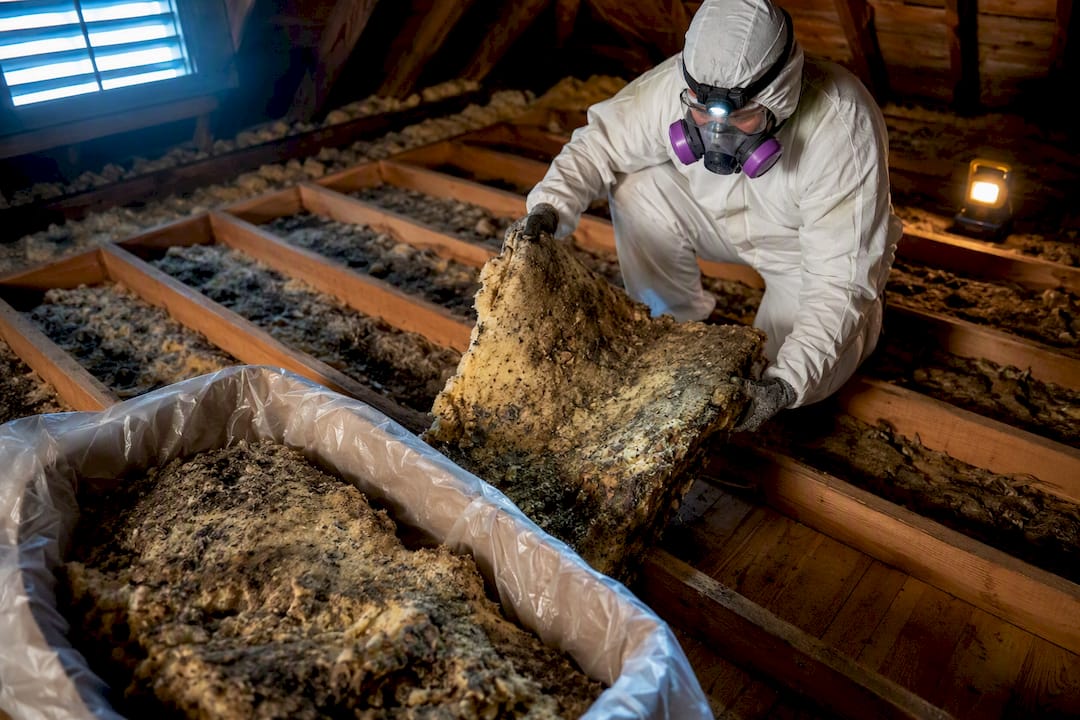
A solid restoration job includes HEPA cleaning of every structural surface the guano touched, enzymatic odor neutralizers rather than perfume-based masking sprays, new insulation installed to your region’s current R-value recommendations, and a check of air sealing and ventilation while everything’s exposed. This guide on why attic floors need insulation covers what proper R-values look like for most homes.
You’ll know the job worked if the smell doesn’t come back after a few warm days, the contractor hands over photos and disposal receipts, and there’s no lingering staining when you check a month later. Restoration is almost always the priciest part of the whole process, so prioritize it over cosmetic fixes if your budget is tight.
How Guano Affects Indoor Air Quality and Ventilation
Attic air doesn’t stay in the attic. Most homes have small gaps around light fixtures, attic hatches, plumbing stacks, and duct penetrations that let air move between the attic and the rooms below, a phenomenon sometimes called the stack effect. When guano dust is floating around up there, some of it can migrate downward through those same gaps, especially in winter when warm indoor air rises and pulls attic air down through any opening it can find.
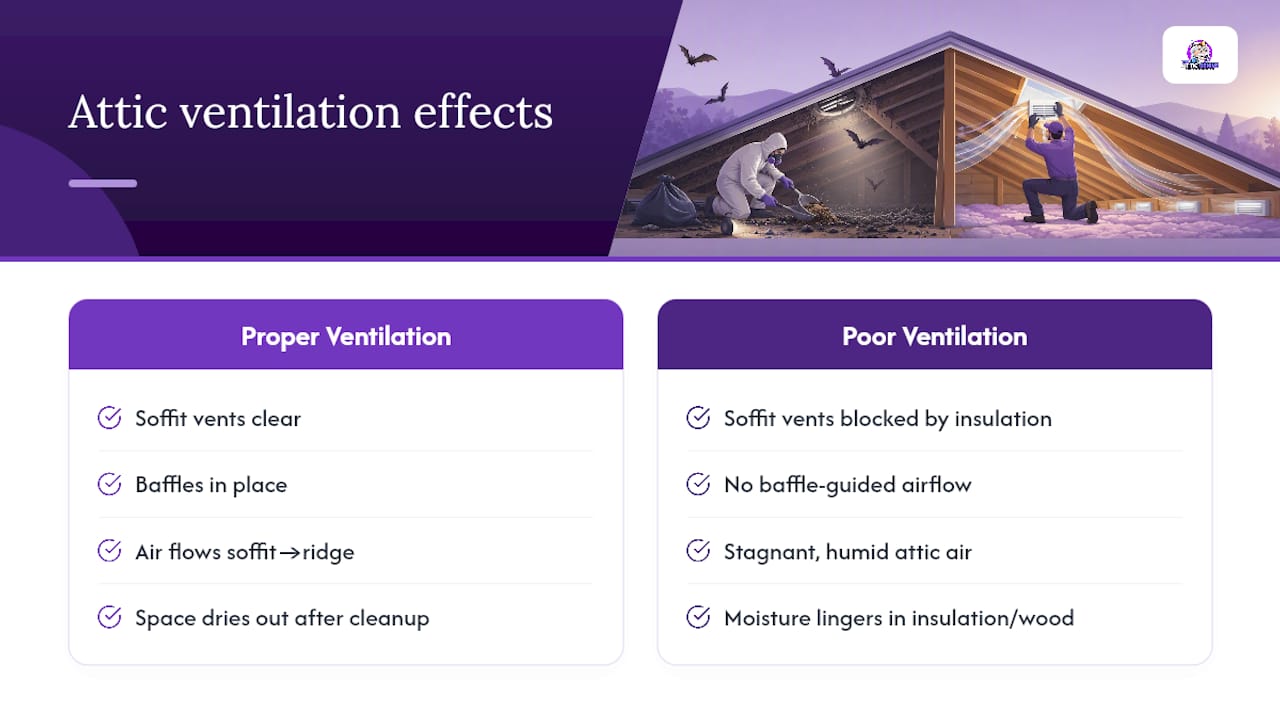
Poor attic ventilation makes the underlying problem worse in two ways. First, stagnant, humid air is exactly what lets Histoplasma spores stay viable longer in dried guano rather than breaking down. Second, without adequate soffit and ridge venting, moisture from urine and normal condensation has nowhere to go, so it lingers in insulation and wood framing.
That’s part of why remediation crews check ventilation as a matter of course, not as an upsell. Confirming that soffit vents aren’t blocked by insulation, that baffles are in place, and that ridge vents are clear helps the space dry out and stay dry after cleanup. If your attic runs noticeably hot and stuffy or you’ve noticed condensation on the underside of the roof deck, that’s worth flagging to whoever handles your remediation, since fixing ventilation alongside the guano problem prevents you from dealing with a mold issue on top of everything else a few months later.
Proper Disposal of Bat Guano Waste
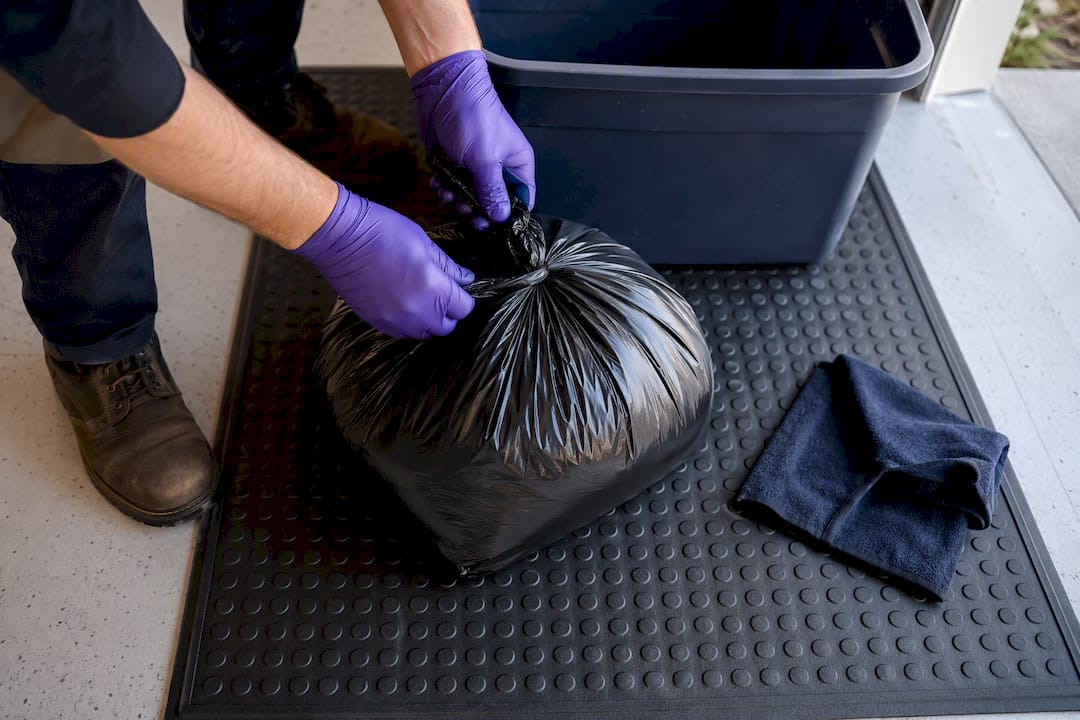
Bagged guano isn’t something you toss in the regular curbside bin without a second thought, though the exact rules depend on your local waste authority. Most municipalities treat small quantities of double-bagged, sealed guano as regular household trash, since the risk drops significantly once it’s contained and no longer capable of releasing airborne dust.
Larger quantities are a different matter. Professional remediation companies typically transport waste to facilities equipped to handle biological material, and some regions classify large-volume animal waste removal under separate disposal rules. This is one more reason volume matters when you’re deciding between DIY and hiring out: a grocery bag of droppings is a manageable disposal problem, but several contractor bags full of contaminated insulation is not something you want sitting in your garage waiting for trash day.
Whatever the volume, the same basic principles apply. Double-bag everything, seal bags tightly before moving them, avoid puncturing bags against sharp attic framing on the way out, and wipe down any surface the bags touched with a damp cloth. If you hired a professional crew, ask for documentation showing where the waste went. Legitimate companies can tell you this without hesitation, and it’s a useful thing to have on file if a real estate transaction or insurance question ever comes up down the line.
Long-Term Monitoring After Cleanup
The job isn’t finished the day the crew packs up. Bats are creatures of habit, and a colony that got excluded once will often try the same entry point again the following spring if anything was missed during sealing.
Walk the exterior of your home twice a year, ideally in early spring and again in fall, and look specifically at the spots where the original colony got in. Check for fresh droppings on the ground below eaves, new rub marks, or any gap that’s opened up from normal weathering. A five-minute check twice a year beats discovering a second infestation a year later.
Inside the attic, a quick visual check during any unrelated maintenance visit, changing an HVAC filter, checking for ice dams, whatever gets you up there, is a good habit. Look for new droppings, unusual smells, or insulation that looks disturbed compared to how it was left after restoration. Keep the photos and paperwork from your original remediation job somewhere accessible; if a problem does resurface, having documentation of what was already treated saves time and money on round two.
Bats do return to familiar roosts, so the small, boring habit of checking twice a year is genuinely the most effective long-term defense you have.
The Attic Genius Perspective: What We See That Homeowners Miss
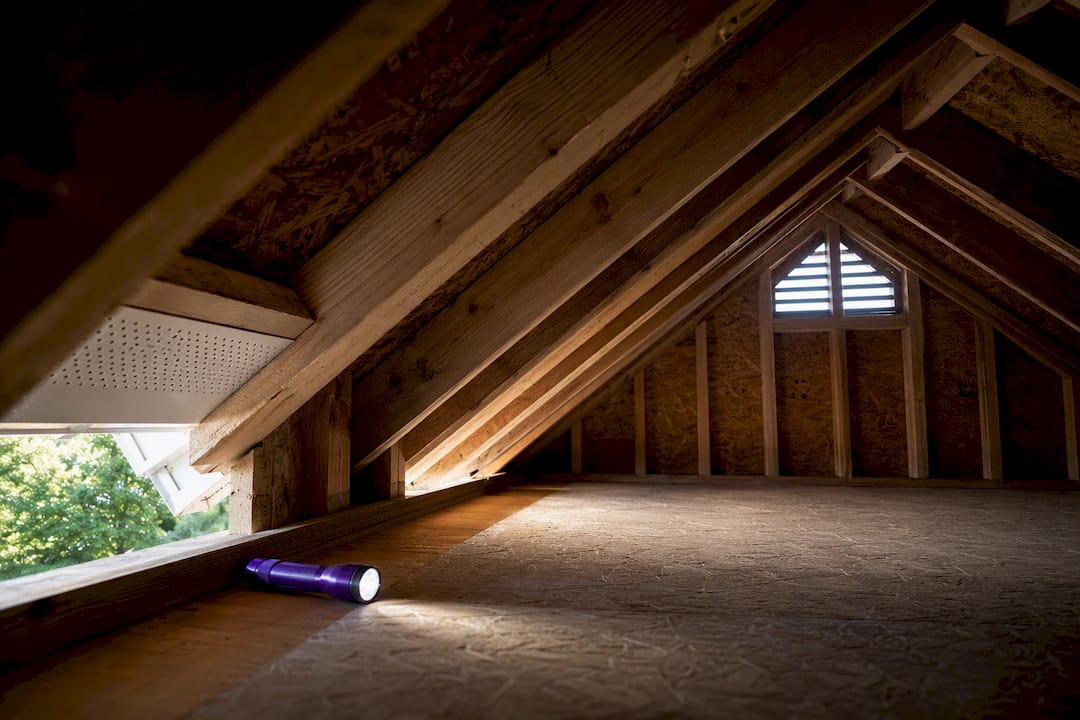
Guano problems are rarely as contained as they look from the attic hatch. Urine wicks behind knee walls and into roof sheathing where a flashlight beam never reaches, and insulation that looks fine on top can be compressed and saturated underneath. That gap between what’s visible and what’s actually contaminated is where DIY jobs and undocumented “quick fixes” fall short.
When you’re vetting a remediation company, ask for the HEPA vacuum specs, the respirator class the crew wears, written disposal documentation, before-and-after photos, and a warranty in writing. Anyone confident in their work will hand all of that over without hesitation.
— Jim
Ready to Deal With It? Here’s the Practical Next Step
Once you know what you’re dealing with, the actual work comes down to inspection, cleanup, and making sure your attic doesn’t invite the problem back. The Attic Genius handles all three: pest and vermin droppings cleanup, insulation removal and replacement when guano has ruined what’s up there, and air sealing to close off the gaps that let contaminated air drift into your living space in the first place.
Estimates are itemized so you know exactly what you’re paying for, no vague one-line quotes. Some jobs come with written warranties, which helps when trusting someone to confirm your attic is actually clean and not just visually tidy.
If you’ve spotted droppings, heard scratching at dusk, or you’re just not sure what you’re looking at up there, check whether your attic needs an insulation upgrade and get a real assessment before the problem gets bigger or more expensive to fix.
Sources
- CDC — Histoplasmosis: About
- HomeGuide — How much does bat removal cost? (2026)
- HomeAdvisor — Bat removal costs
This article is general information, not a substitute for advice from a qualified doctor. Consult a qualified healthcare professional about your own circumstances before acting on anything here.