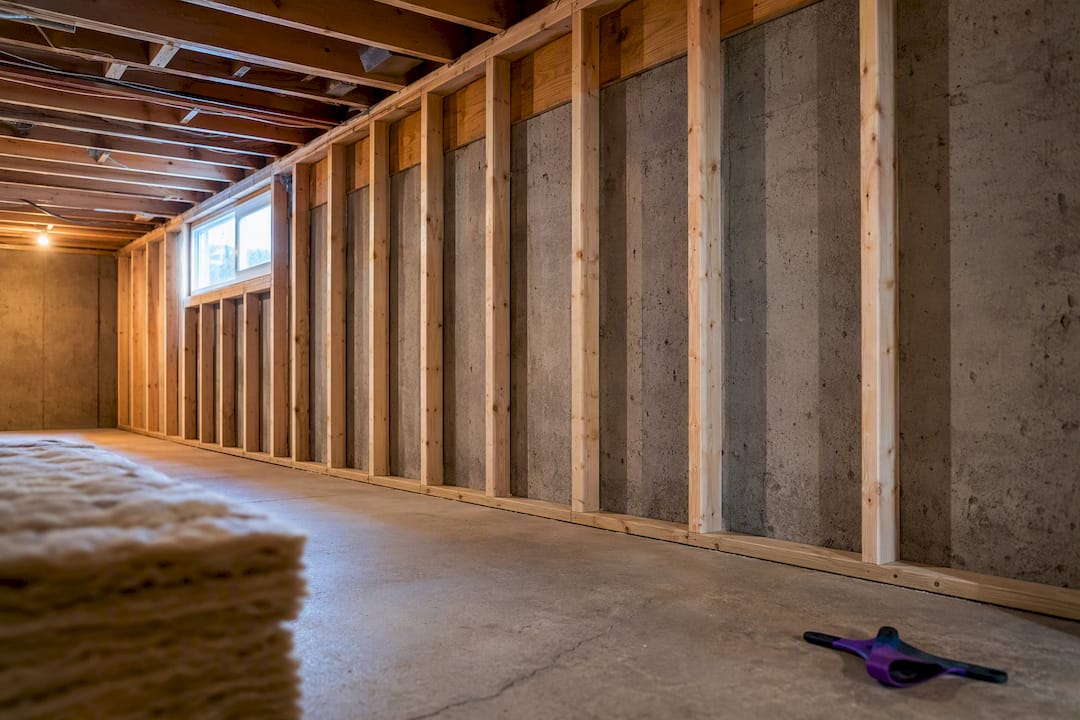
Basement insulation costs typically range from $2 to $7 per square foot installed, translating to approximately $2,000 to $7,000 for a 1,000 sq ft basement. This cost varies significantly based on insulation material, with closed-cell spray foam reaching up to $7,000 per 1,000 sq ft for full wall coverage, while basic batts may be under $2,000 for the same area. Moisture remediation and site conditions, such as existing framing and local labor rates, are often the largest unexpected cost drivers beyond material choice. The Attic Genius recommends prioritizing rim joist sealing with spray foam, as this offers the best return on investment for reducing air leakage in a basement.
Basement insulation cost runs $2 to $7 per square foot installed, or roughly $2,000 to $7,000 for a typical 1,000 sq ft basement, depending on the method. Spray foam sits at the top of that range, batts and rigid foam board sit lower, but moisture problems and prep work can push any quote well past the number a contractor first quotes over the phone.
TL;DR:
- Moisture remediation often accounts for the largest unexpected cost outside of insulation materials, especially if visible mold or water issues are present.
- Full basement wall insulation with closed-cell spray foam can cost up to $7,000 per 1,000 sq ft, but basic batts may cost less than $2,000 for the same area.
- The cost variation is influenced more by site conditions, such as moisture, existing framing, and local labor rates, than by material choice alone.
- Prioritize sealing rim joists with spray foam first, as it provides the best return on investment for air leakage reduction.
- Comparing quotes requires clarifying scope specifics, permit inclusion, and moisture remediation, as vague bids almost always lead to higher expenses later.
Table of Contents
- What Drives Basement Insulation Cost by Material
- What Affects Basement Insulation Price Beyond Material Choice
- Basement Insulation Estimates for a 1,000 Sq Ft Project
- Why Moisture Control Has to Happen Before You Insulate
- How to Compare Basement Insulation Quotes Without Getting Burned
- How Long Basement Insulation Jobs Actually Take
- Where to Cut Cost Without Cutting Corners
- The Mistake I See in Nearly Every Basement Job
- Get an Honest Basement Insulation Quote From The Attic Genius
- Sources
- FAQ
What Drives Basement Insulation Cost by Material
The material you choose sets your price floor before labor even enters the conversation. HomeWyse provides a national installed baseline range for basement wall insulation as a useful reference when comparing contractor bids.
Closed-cell spray foam generally costs more upfront but offers about R-6 to R-7 per inch, making it one of the highest performance options for basement insulation. It also air-seals as it cures, which matters more in a basement than almost anywhere else in the house because concrete walls leak air through hairline cracks you’ll never spot on your own. Open-cell spray foam costs less per square foot but delivers roughly half the R-value per inch and holds more moisture vapor, so most installers reserve it for interior partition walls rather than exterior basement walls facing soil.
Rigid foam board (XPS, EPS, or polyiso) is the workhorse of mid-range basement insulation, generally landing between $1 and $3 per square foot for materials plus labor, with polyiso offering the best R-value per inch of the three at roughly R-6. Fiberglass or mineral wool batts are the cheapest option per square foot, often under $1.50, but they’re also the riskiest against a below-grade concrete wall.
- Closed-cell spray foam: highest cost, highest R-value per inch, built-in vapor and air barrier
- Rigid foam board: moderate cost, solid moisture resistance, needs careful seam sealing
- Batt insulation: lowest material cost, highest failure risk if placed directly against concrete
Statistic: According to Insulationrvalues, a rim joist-only spray foam job runs $800 to $2,000, while full walls-plus-rim-joist coverage with closed-cell spray foam runs $3,500 to $7,000 per 1,000 sq ft. That’s roughly a fourfold spread depending purely on scope.
What Affects Basement Insulation Price Beyond Material Choice
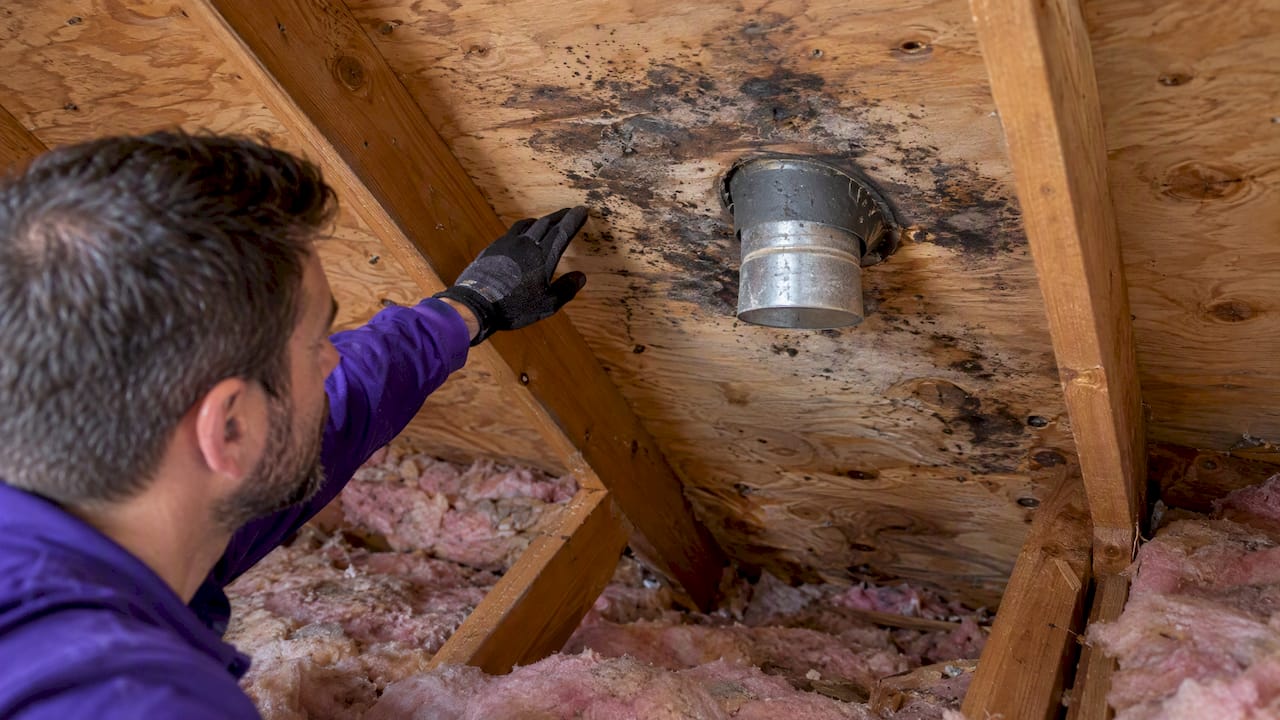
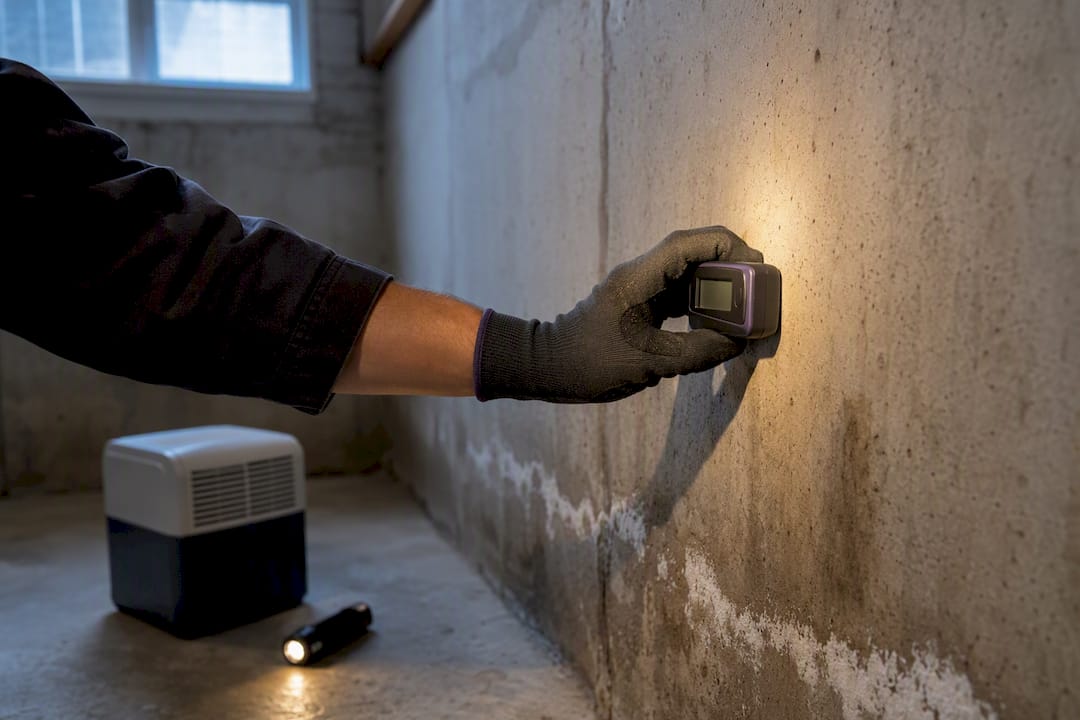
Two homeowners with identical 1,000 sq ft basements can get quotes that differ by thousands of dollars, and the material line item is rarely the reason. Moisture and mold remediation is usually the biggest hidden cost driver. If a contractor finds efflorescence, active seepage, or a musty smell during inspection, that work has to happen before insulation goes in, and it’s priced separately from the insulation job itself.
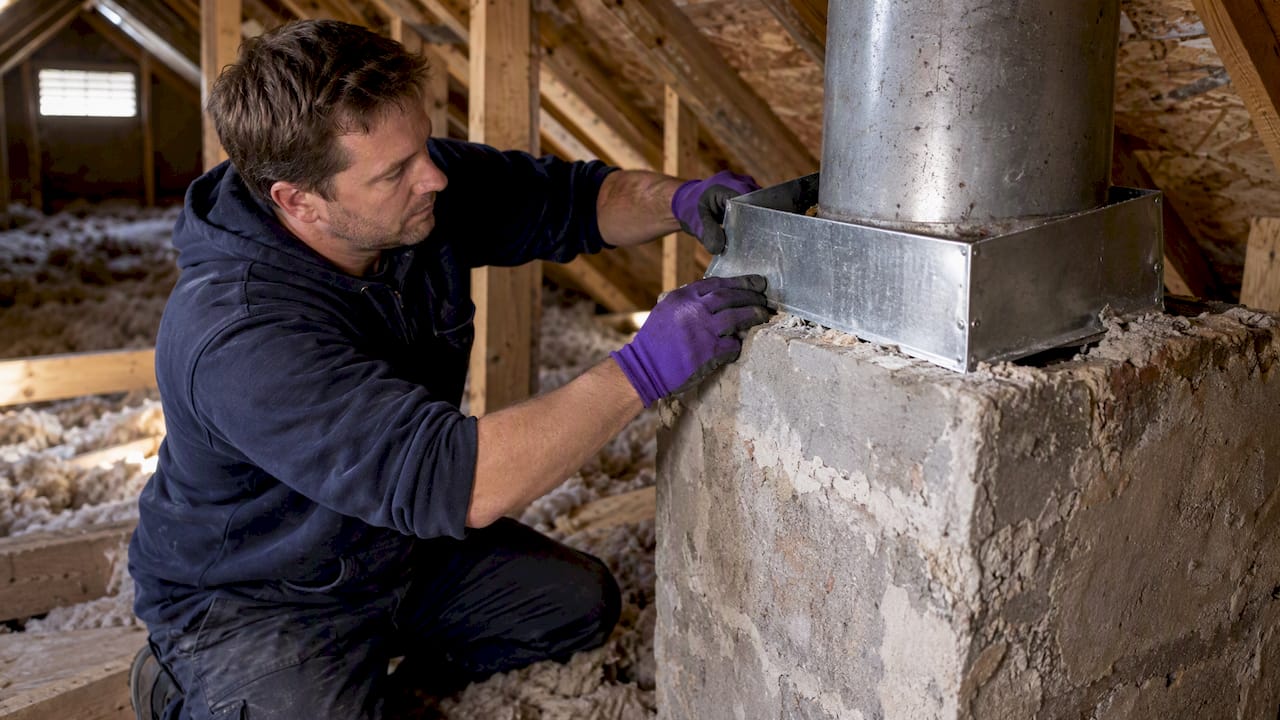
Access and framing complexity matter almost as much. A basement with exposed studs and clear walls is a straightforward install. One with existing drywall, relocated plumbing, or electrical panels mounted mid-wall adds labor hours fast. Your target R-value also shapes cost: ENERGY STAR guidance recommends continuous insulation on basement walls with R-values commonly falling between R-10 and R-15, higher in colder climates, which pushes material thickness and cost upward compared to a bare-minimum job.
Regional labor markets add another swing. HomeGuide notes that projects in higher-cost metro markets can run 10% to 25% above national averages, largely a function of local labor rates and permit fees rather than material pricing.
- Moisture remediation: often the single largest line item outside the insulation itself
- Framing and utility relocation: adds labor hours regardless of material
- Regional labor rates: can swing total cost by 10% to 25%
Pro Tip: Ask every contractor to price moisture remediation as a separate line item, even if they bundle it into one number verbally. Separated pricing makes it much easier to compare apples to apples across three different bids.
Basement Insulation Estimates for a 1,000 Sq Ft Project
Real numbers help more than percentage ranges, so here’s how a standard 1,000 sq ft basement typically breaks down at three budget tiers.
- Basic approach: Fiberglass batts installed in a framed stud wall over an existing vapor barrier, sometimes applied only to accessible wall sections. This is the cheapest entry point, but it skips rim joist sealing and carries the highest long-term moisture risk.
- Mid-range approach ($2,000 to $4,000): Rigid foam board against the concrete, topped with a framed wall and drywall-ready finish, plus targeted spray foam at the rim joists where air leakage is worst. This tier balances cost against durability for most finished-basement projects.
- Premium approach: Full closed-cell spray foam applied to walls and rim joists with integrated air sealing and a finish-ready surface. Add a contingency of 10% to 15% on top of any tier if the initial walkthrough flags visible moisture staining or a musty smell, since remediation costs get added once contractors open up the wall.
Permits, if required, add costs on top of the installation estimates, along with potential disposal fees for removal of old or damaged insulation, which you can confidently manage by consulting the Best Basement Cleanout Services in Virginia.
Why Moisture Control Has to Happen Before You Insulate
Concrete below grade is never fully dry. It wicks moisture from the surrounding soil, and warm indoor air hitting a cold basement wall creates condensation even when there’s no visible leak. Insulating over that moisture without addressing it first traps water against the wall, and repeated warnings across Building America and ENERGY STAR guidance point to the same outcome: insulation applied before water management is fixed often ends up hiding mold growth rather than preventing it.
- Check exterior grading and gutter discharge before any interior work starts
- Confirm interior drainage and sump pump function if the basement has ever flooded
- Address active mold with dedicated remediation, not paint-over fixes
- Choose a moisture-tolerant first layer, closed-cell spray foam or rigid foam board, against the concrete itself
The connection between insulation and moisture control runs both directions. Good insulation reduces condensation risk, but bad sequencing creates it.
How to Compare Basement Insulation Quotes Without Getting Burned
Start by matching the method to what the space will become. A basement staying as storage doesn’t need the same finish-ready wall assembly as one becoming a bedroom or home office.
When you’re reading quotes side by side, ask each contractor these questions directly: Does the price include a continuous thermal barrier, or are there gaps at penetrations? Is a permit included in the price, or billed separately? What’s the written warranty term, and does it cover material failure or labor only? Is any moisture remediation included, or is that a separate contract if problems surface?
- Vague scopes (“insulate basement walls”) without square footage or R-value specified are a red flag
- Quotes with no mention of the rim joist are often incomplete, since that’s a major air leak point
- A warranty that only covers materials, not labor, shifts risk back onto you
Pro Tip: Score each quote on scope clarity, not just price. The cheapest bid with a vague scope almost always turns into the most expensive job once change orders start.
How Long Basement Insulation Jobs Actually Take
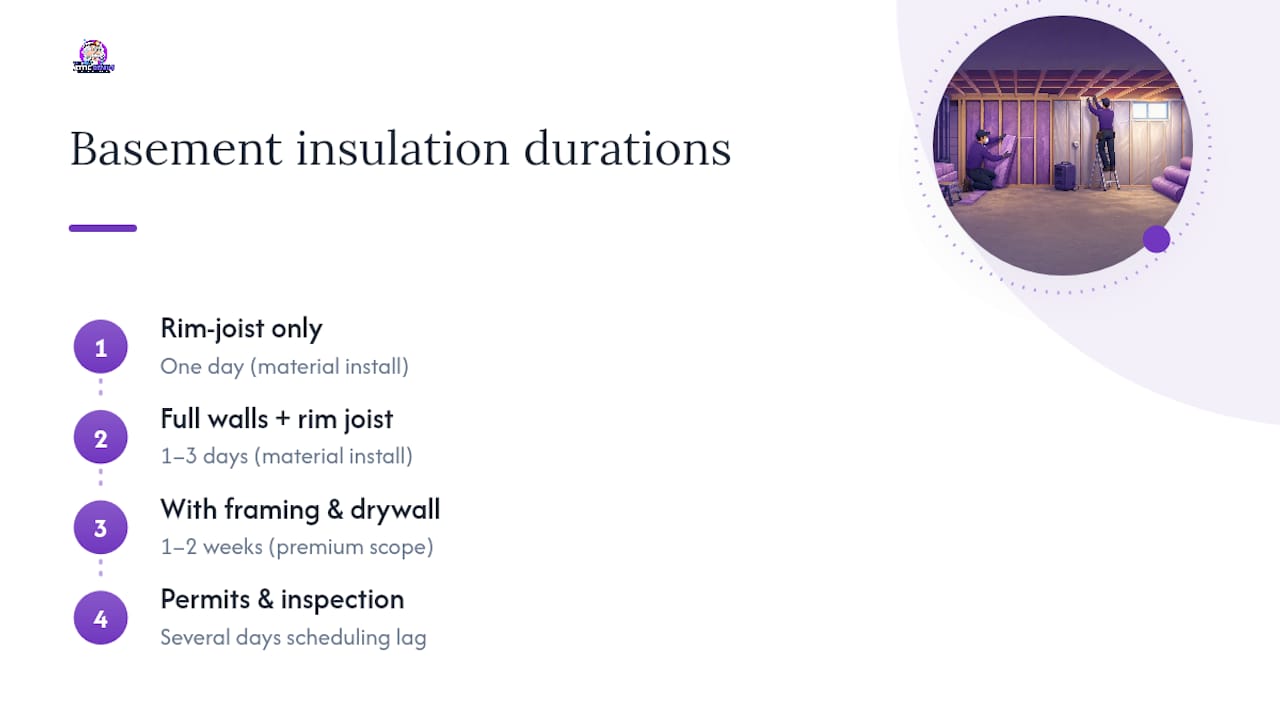
Rim joist-only spray foam work is often a single-day job. Full walls-plus-rim-joist projects generally take 1 to 3 days for material installation alone. Add finishing work like framing and drywall, and a premium scope can stretch to one or two weeks. Permits, when required, typically require an inspection checking R-value and thermal barrier compliance before walls get closed up, which can add several days of scheduling lag on top of the install itself.
Where to Cut Cost Without Cutting Corners
Rim joist sealing consistently delivers the best return relative to cost, since it closes one of the largest air leak points in a home for a fraction of a full wall insulation budget. Bundling air sealing with insulation in a single contract often saves on mobilization costs compared to hiring two separate crews for two separate visits.
- Prioritize rim joist spray foam first if budget is limited
- Bundle air sealing and insulation into one scope of work to cut duplicate site visits
- Check your local utility provider’s rebate portal and current federal or state tax credit programs before signing a contract, since incentives shift year to year
Even modest rim joist insulation projects pay back through reduced heating load faster than full wall assemblies, according to Building America’s cost modeling.
What is the most common mistake in basement insulation jobs?
Batts pressed straight against bare concrete is the single most common mistake homeowners inherit from a previous DIY attempt or a rushed contractor. The fix is always the same: pull it out, add a moisture-tolerant first layer, then rebuild. When you request quotes, ask specifically what goes against the concrete first.
— Jim
Get an Honest Basement Insulation Quote From The Attic Genius
Moisture problems are exactly where basement insulation budgets go sideways, and that’s the gap The Attic Genius is built to close. Beyond attic work, the team handles moisture and mold remediation, rim joist sealing, and full basement and crawl space insulation under one roof, so you’re not coordinating three separate contractors for one basement project.

Our quotes include upfront pricing spelled out line by line, warranties on the work, and timely inspection scheduling so you’re not waiting weeks to find out what your basement actually needs. If you’re comparing bids right now, ask The Attic Genius to walk your basement, flag any moisture issues before pricing insulation, and put together a scope that separates remediation from installation so you can see exactly what you’re paying for. Schedule your inspection through the basement and crawl space insulation page to get started.
Sources
Verify R-value targets against ENERGY STAR’s basement guidance and cross-check pricing with HomeWyse’s calculator before signing.
- Cost to Insulate Basement Walls
- Air Sealed, Insulated Basements (ENERGY STAR / EPA)
- Measure Guideline: Basement Insulation Basics (Building America / NREL)
- Insulationrvalues
FAQ
How much does it cost to insulate a 1,000 sq ft basement?
Expect roughly $2,000 to $7,000 depending on method, with basic batt approaches at the low end and full closed-cell spray foam at the high end. HomeWyse puts the national per-square-foot baseline at $4.38 to $6.43, which lines up with the mid-to-premium range for a full wall assembly.
What is the best type of insulation for basement walls?
Closed-cell spray foam or rigid foam board perform best against concrete because both resist moisture wicking, unlike unfaced batts placed directly against a below-grade wall. ENERGY STAR guidance recommends continuous insulation with R-values commonly between R-10 and R-15 for basement walls.
What is the cheapest way to insulate a basement?
Rim joist-only spray foam is an economical approach offering good return, with costs varying based on home size and region, as noted by InsulationRValues.com. Full batt insulation costs less per square foot but carries higher moisture failure risk over time.
How much does 2,000 sq ft of insulation cost?
Scaling roughly linearly from the 1,000 sq ft figures, a 2,000 sq ft basement typically runs roughly $4,000 to $14,000 depending on method and moisture prep needs. Larger basements sometimes see slightly better per-square-foot pricing due to fixed mobilization costs spreading across more area.
Does The Attic Genius handle basement insulation and moisture issues together?
Yes, The Attic Genius offers basement and crawl space insulation alongside dedicated moisture and mold remediation, so both can be scoped in a single inspection. Current pricing is available directly through a scheduled inspection rather than a published rate sheet.